NASA's Exploration Science Strategy Integration Office Drives Lunar Research and Artemis Missions
· GlobeWire Daily Editorial Desk · Source: science.nasa.gov
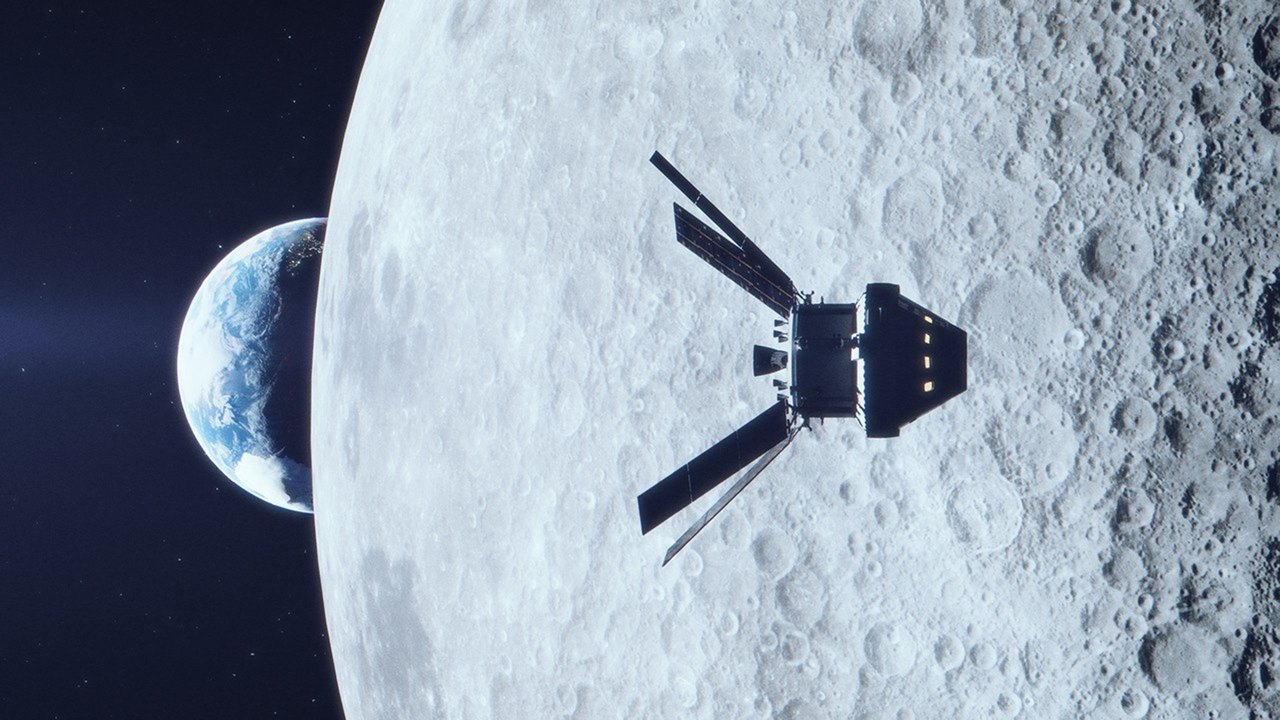
Image: NASA Science · Photo source · Resized and letterboxed to 16:9; no AI generation
NASA's Exploration Science Strategy Integration Office (ESSIO) coordinates the integration of science into lunar exploration and the Moon to Mars architecture. According to agency materials, ESSIO operates within the Science Mission Directorate to align community goals from Decadal Surveys with NASA priorities.
Artemis II and Scientific Investigations
The upcoming Artemis II mission is scheduled to carry astronauts closer to the Moon and farther from Earth than any human has traveled in over half a century. During this flight, the crew is expected to collaborate with terrestrial scientists to conduct investigations aimed at informing future human spaceflight missions.
Integration and Partnerships
ESSIO leads cross-directorate activities and fosters collaboration among NASA divisions, government agencies, international partners, and commercial entities. Key methods of achieving this integration include:
- Developing instruments and payloads
- Facilitating international partnerships
- Utilizing commercial entities to send payloads to the lunar surface
Commercial Lunar Payload Services (CLPS)
Through initiatives like CLPS, NASA aims to foster a sustainable lunar economy that provides rapid, frequent, and affordable access to cislunar space and the lunar surface. Planned payloads contain instruments designed to generate complementary lunar datasets, test new technologies, and reduce risks for human exploration.
The Role of Lunar Research
NASA notes that studying the Moon provides insights into planetary evolution, solar system history, and Earth-Moon dynamics. The Lunar Discovery and Exploration Program (LDEP) supports these broader scientific goals through coordinated elements and industry partnerships.
To verify original announcements and review current mission statuses, interested parties can consult official NASA portals and the Science Mission Directorate updates.
AI-assisted reporting; source claims are attributed and have not been independently verified.
More to read
 NASA Publishes Extensive Artemis II Lunar Science Data and Imagery
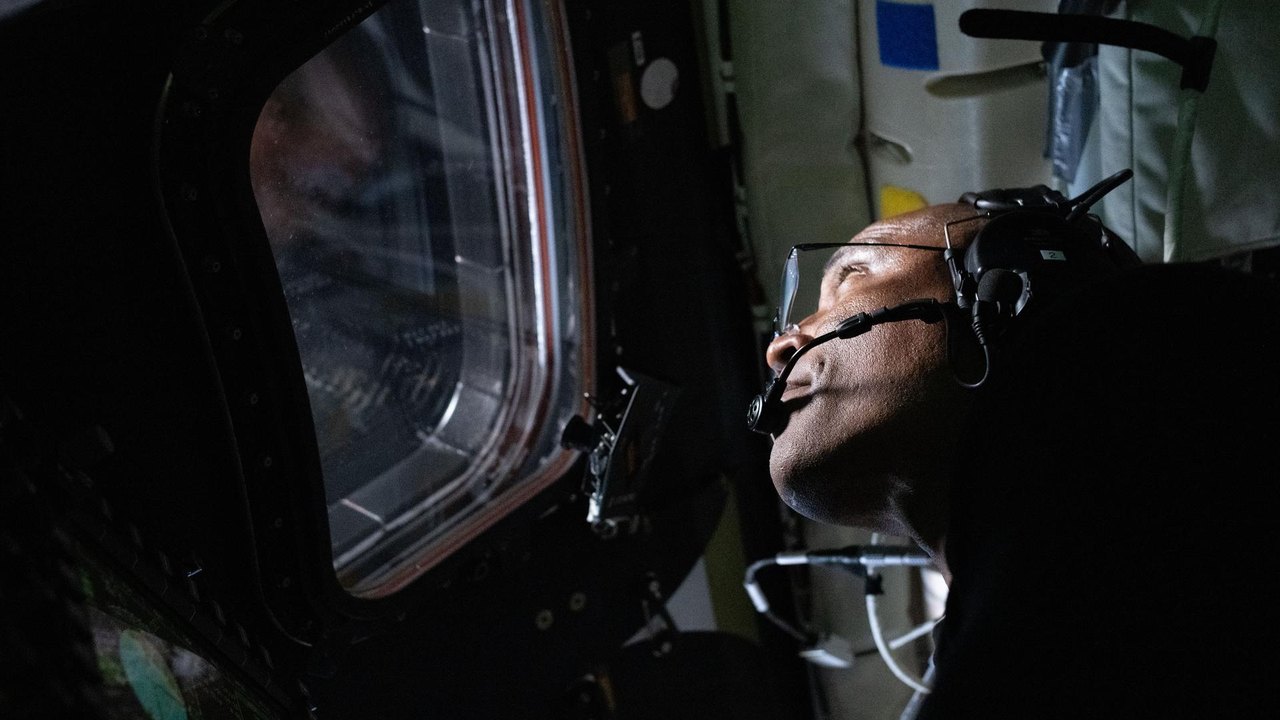 NASA Releases Preliminary Artemis II Lunar Science Report Highlighting Crew Observations and Deep-Space Data
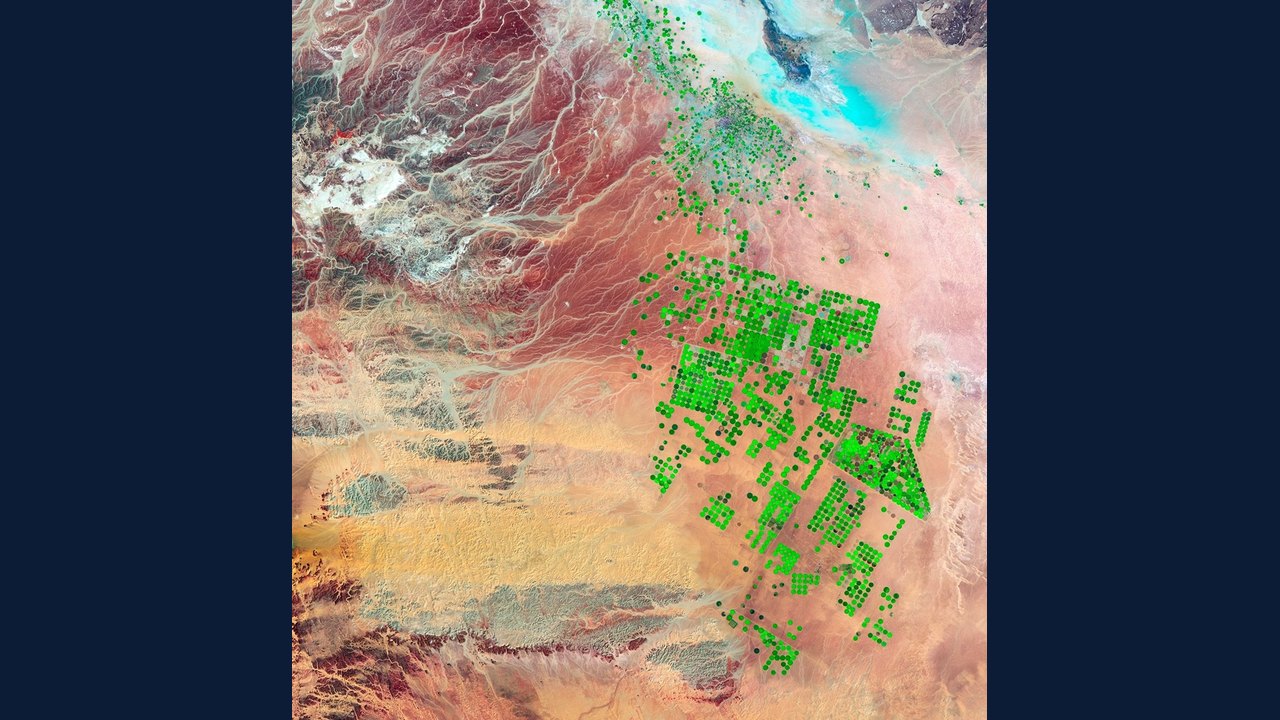 NASA Explores Super Intelligence to Enhance Science Data and Research
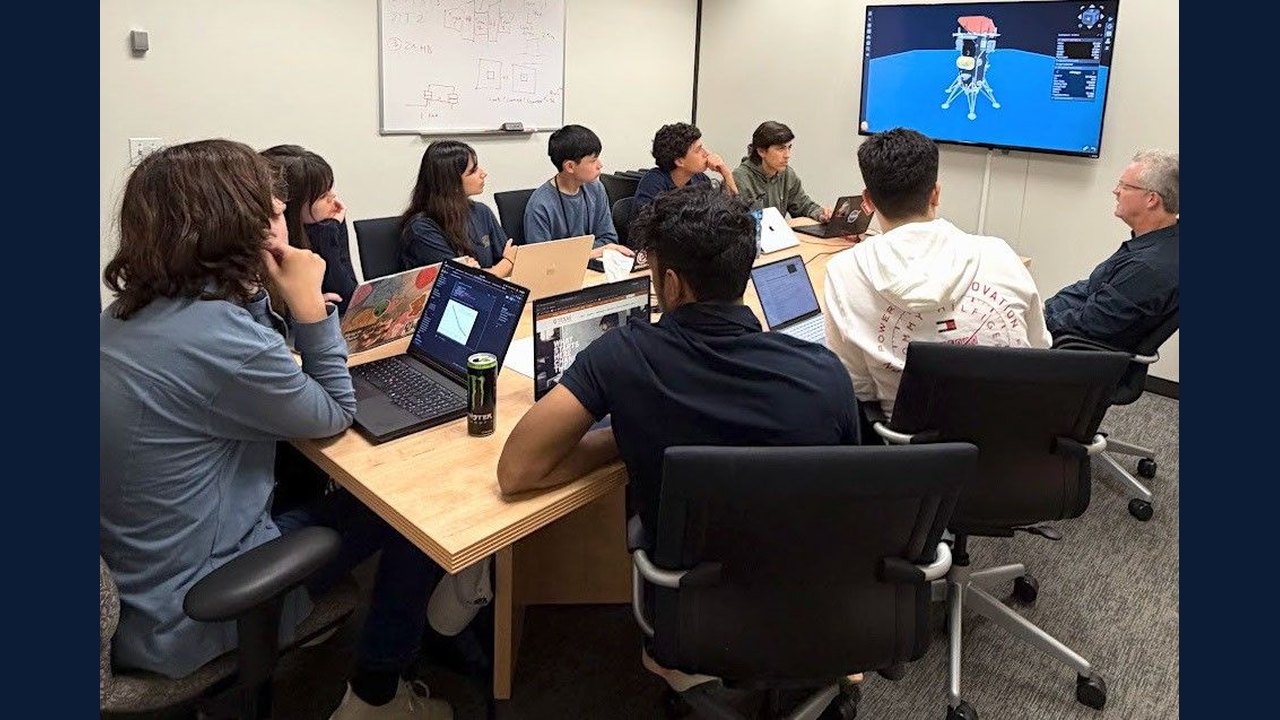 NASA SEES Interns Tackle Real-World Lunar Exploration Challenges
Trending on GlobeWire Daily
Selected from recent coverage and related topics; not live search rankings.
 Madhya Pradesh Government Plans Revenue Generation from 117-Year-Old Edward Villa in Mumbai Through Leasing
 iPhone 18 Pro Named TechRadar Product of the Year 2026
 Google Project Suncatcher Runs Gemma 4 AI on Orbiting Satellite and Receives First Response
 Gender Disparities in Eye Care Access Across India Examined
 Satellite Images Show Cyclone Arnab Weakening Over India As New System Brews
 Expanding Green and Blue Spaces Crucial for India's Economic and Public Health, Reports Indicate