NASA SEES Interns Tackle Real-World Lunar Exploration Challenges
· GlobeWire Daily Editorial Desk · Source: science.nasa.gov
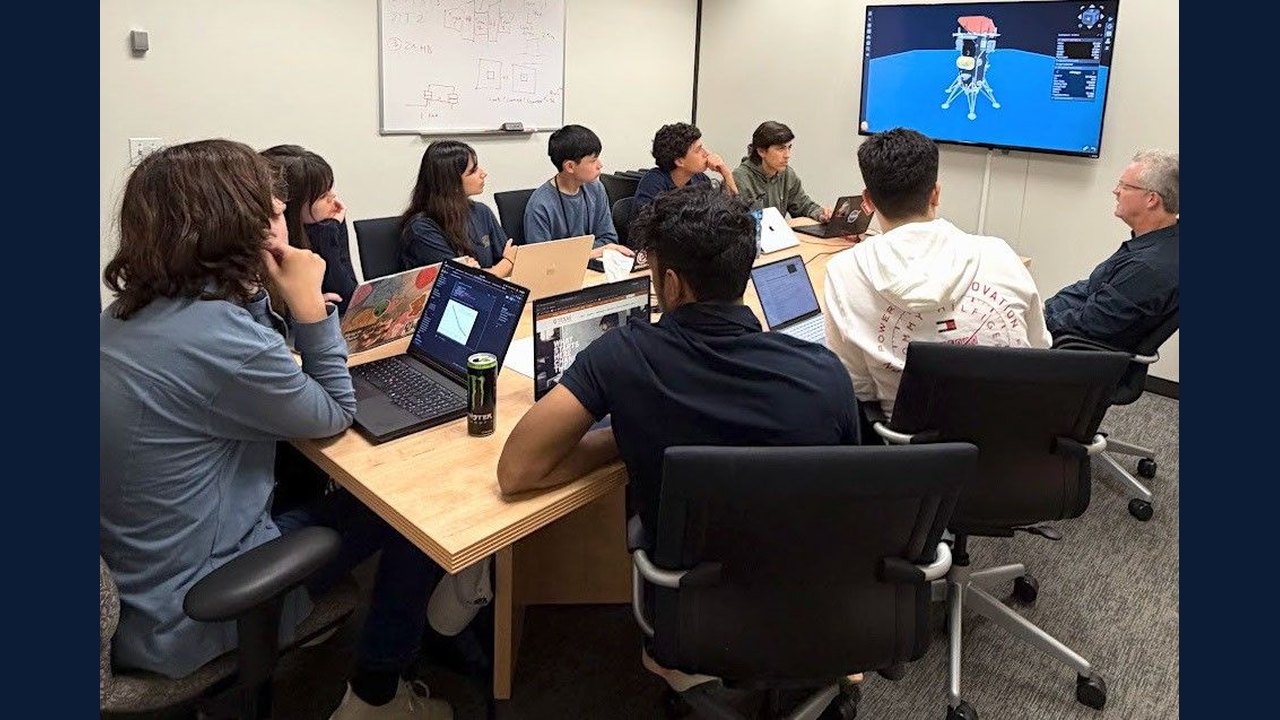
Image: NASA Science · Photo source · Resized and letterboxed to 16:9; no AI generation
High school students participating in the NASA STEM Enhancement in Earth Science (SEES) internship program worked on propellant measurement challenges for lunar missions. During the summer 2026 program, the SEES Mission Architecture Tool for Research, Integration, and eXploration (MATRIX) team focused on microgravity propellant mass gauging, which is relevant to NASA’s Artemis missions.
Mentored by Dr. Kevin Crosby, the team examined the Modal Propellant Gauging (MPG) approach, which uses acoustic responses in propellant tanks to estimate fuel mass. MPG was developed at Carthage College and is scheduled for demonstration on the Intuitive Machines IM-3 mission, which features the Trinity lander targeted for a 2027 touchdown in the Reiner Gamma region.
Reconstructing Missions From Public Data
Using publicly available sources, the intern team developed analytical methods:
- Trajectory Reconstruction: The team utilized NASA Jet Propulsion Laboratory Navigation and Ancillary Information Facility data from the IM-1 and IM-2 missions to identify engine burns and estimate velocity changes.
- Simulation Models: Because a complete IM-3 trajectory was not public, the students wrote a reconstruction algorithm and ran computational fluid dynamics (CFD) and Monte Carlo simulations to estimate fluid slosh and propellant states.
- Gauging Windows: The analysis indicated that MPG can take reliable readings during Lunar Orbit Insertion and Powered Descent burns.
Presentations and Community Engagement
The students shared their research with industry professionals and peers:
- Briefed the Intuitive Machines propulsion group on their methods and results.
- Presented their research at the SEES Annual Symposium and the Wisconsin Space Grant Consortium Annual Conference.
- Scheduled a presentation at the American Geophysical Union Annual Meeting in San Francisco in December 2026.
Dr. Kevin Crosby noted that the high school team developed an advanced understanding of the subject matter in under a month. The SEES program continues to provide 11th and 12th-grade students with hands-on experience utilizing aerospace data and analytical tools.
How to Verify
Interested readers can review official project updates and learn more about the internship through the University of Texas Center for Space Research SEES program portal.
AI-assisted reporting; source claims are attributed and have not been independently verified.
More to read
 NASA's Exploration Science Strategy Integration Office Drives Lunar Research and Artemis Missions
 NASA Publishes Extensive Artemis II Lunar Science Data and Imagery
 NASA Releases Preliminary Artemis II Lunar Science Report Highlighting Crew Observations and Deep-Space Data
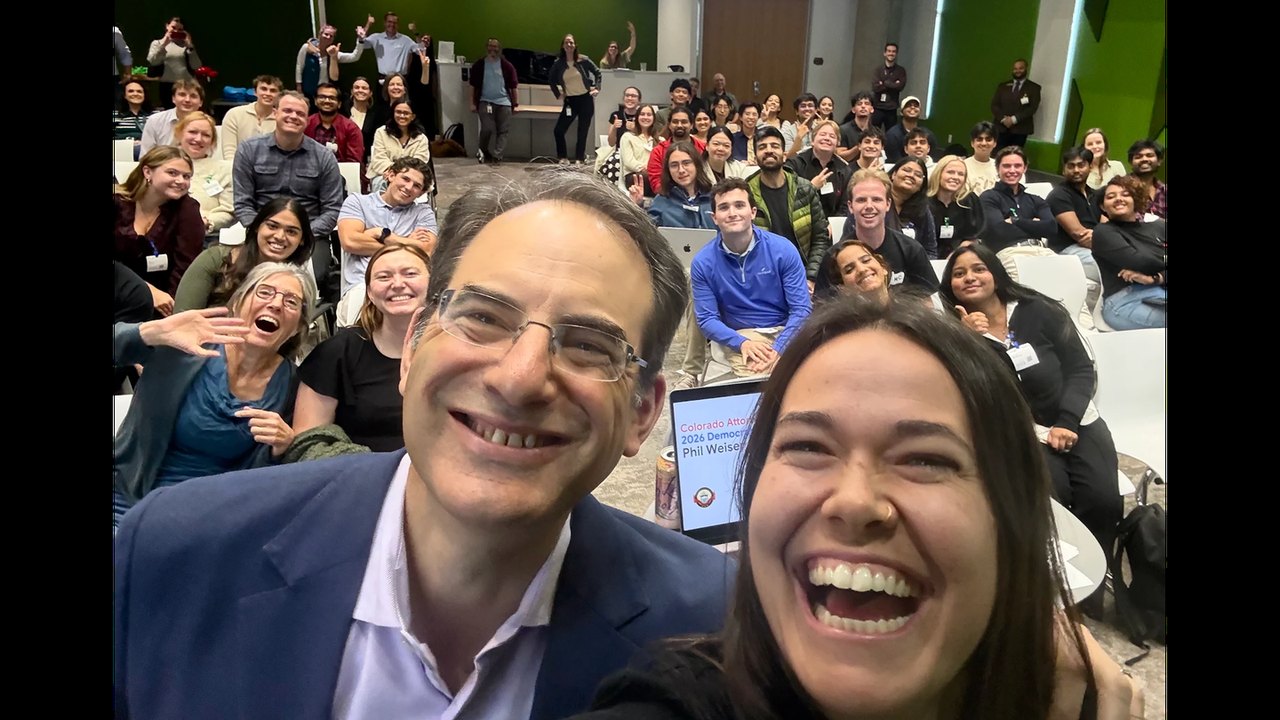 Colorado Students Tackle Clean Energy Grid Challenges at Google Hackathon
Trending on GlobeWire Daily
Selected from recent coverage and related topics; not live search rankings.
 Madhya Pradesh Government Plans Revenue Generation from 117-Year-Old Edward Villa in Mumbai Through Leasing
 iPhone 18 Pro Named TechRadar Product of the Year 2026
 Google Project Suncatcher Runs Gemma 4 AI on Orbiting Satellite and Receives First Response
 Gender Disparities in Eye Care Access Across India Examined
 Satellite Images Show Cyclone Arnab Weakening Over India As New System Brews
 Expanding Green and Blue Spaces Crucial for India's Economic and Public Health, Reports Indicate