NASA Explores Super Intelligence to Enhance Science Data and Research
· GlobeWire Daily Editorial Desk · Source: science.nasa.gov
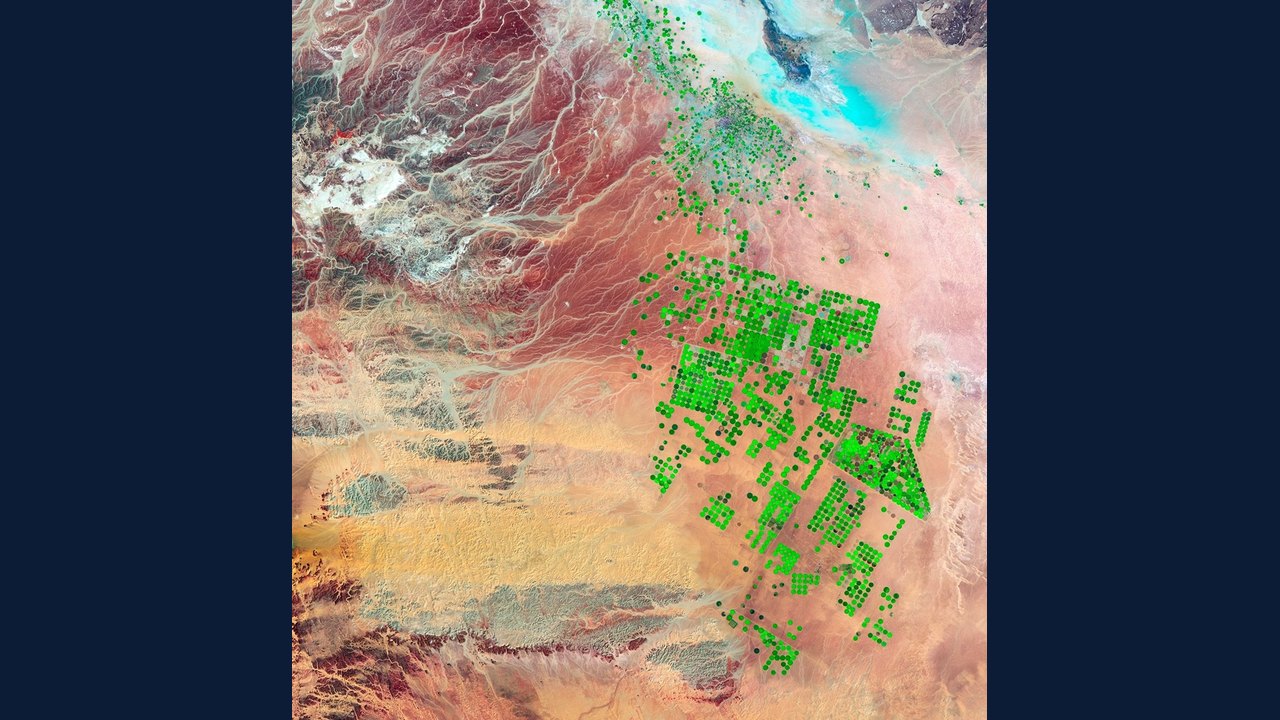
Image: NASA Science · Photo source · Resized and letterboxed to 16:9; no AI generation
NASA's Office of the Chief Science Data Officer (OCSDO) is researching how super intelligence (SI) can help utilize scientific data more effectively. According to reported updates, the agency is working to incorporate the term "super intelligence" following Executive Order 14434, titled "Inaugurating the Era of Super Intelligence," dated September 29, 2026.
To verify official announcements and explore original documentation, readers can visit the official NASA Science website and review open-source repositories on platforms like Hugging Face, where several foundational models have been released.
Focus Areas for Super Intelligence
- Prediction and Forecasting: Developing data-driven predictive modeling to help scientists forecast weather, space weather, and cosmic events.
- Open Science: Streamlining scientific workflows by improving data search, discovery, analysis, and visualization.
- Collaboration Across Sciences: Facilitating cross-disciplinary research by integrating data from diverse missions.
- Infrastructure: Establishing a secure, scalable infrastructure to support model deployment.
Current Foundation Models and Projects
- NASA-IBM Lunar Foundation Model: Pre-trained on imagery and geophysical data from lunar missions to help map surface features and locate polar ice.
- Surya Heliophysics Foundation Model: Pre-trained on observations from the Solar Dynamics Observatory to monitor solar eruptions and space weather.
- Prithvi Geospatial Foundation Model: Pre-trained on satellite data to assist with flood mapping, fire-scar identification, and crop classification.
- Prithvi Weather and Climate Foundation Model: Enabled for hurricane tracking, severe weather risk mapping, and renewable energy forecasting using MERRA2 data.
- INDUS Large Language Models: A suite of models tailored for astrophysics, biological and physical sciences, Earth science, heliophysics, and planetary science.
AI-assisted reporting; source claims are attributed and have not been independently verified.
More to read
 NASA Updates Communications to Incorporate 'Super Intelligence' Following Executive Order
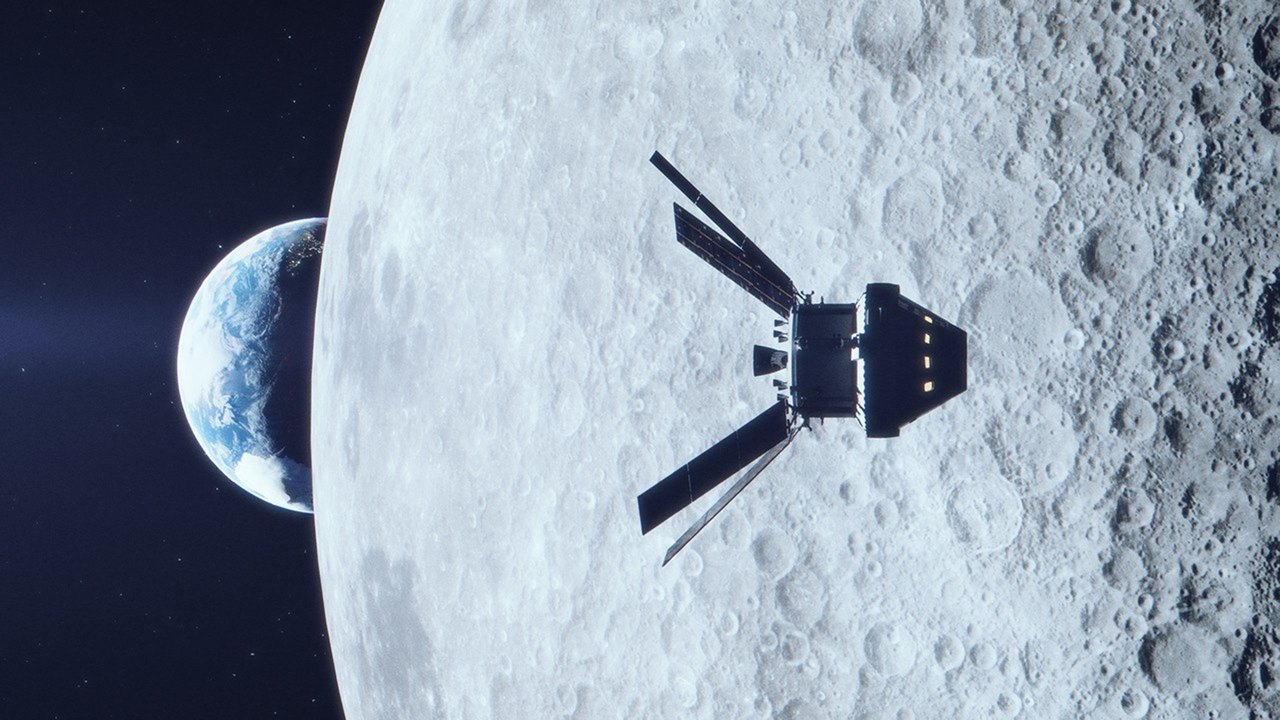 NASA's Exploration Science Strategy Integration Office Drives Lunar Research and Artemis Missions
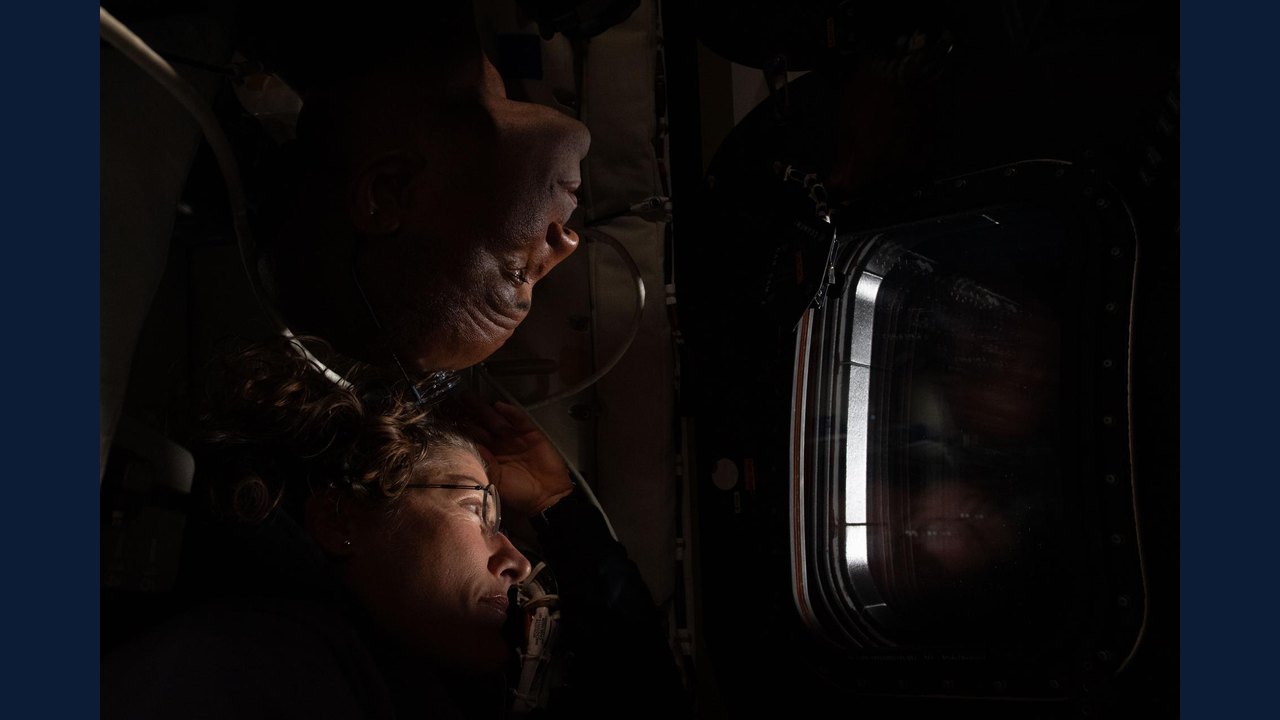 NASA Publishes Extensive Artemis II Lunar Science Data and Imagery
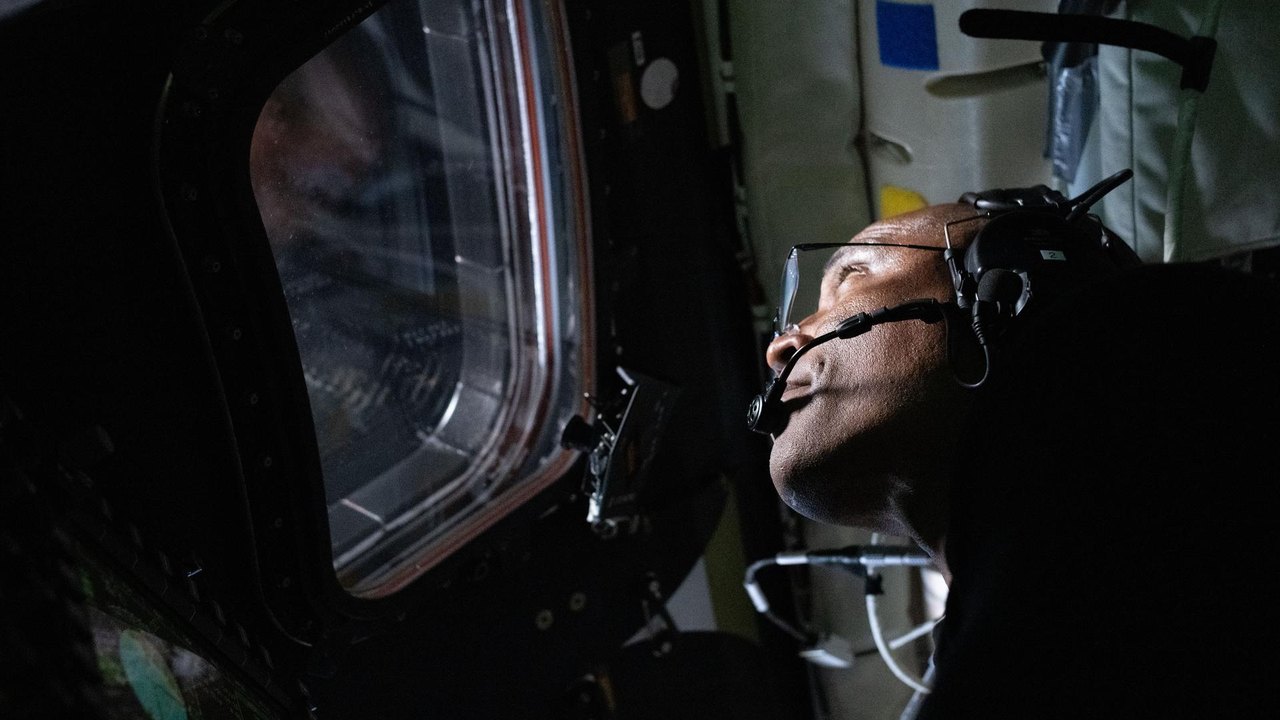 NASA Releases Preliminary Artemis II Lunar Science Report Highlighting Crew Observations and Deep-Space Data
Trending on GlobeWire Daily
Selected from recent coverage and related topics; not live search rankings.
 Madhya Pradesh Government Plans Revenue Generation from 117-Year-Old Edward Villa in Mumbai Through Leasing
 iPhone 18 Pro Named TechRadar Product of the Year 2026
 Google Project Suncatcher Runs Gemma 4 AI on Orbiting Satellite and Receives First Response
 Gender Disparities in Eye Care Access Across India Examined
 Satellite Images Show Cyclone Arnab Weakening Over India As New System Brews
 Expanding Green and Blue Spaces Crucial for India's Economic and Public Health, Reports Indicate