NASA Updates Communications to Incorporate 'Super Intelligence' Following Executive Order
· GlobeWire Daily Editorial Desk · Source: www.nasa.gov

Image: NASA · Photo source · Resized and letterboxed to 16:9; no AI generation
NASA is updating its agency communications to incorporate the term “super intelligence” (SI) following Executive Order 14434, titled "Inaugurating the Era of Super Intelligence," issued on September 29, 2026. According to the agency, advanced SI tools support missions and research projects by analyzing data to reveal trends, and by developing systems capable of supporting spacecraft and aircraft autonomously.
Historical and Current Applications
NASA reports that researchers and engineers have safely used advanced computational and SI technologies for decades. Current applications span multiple operational areas:
- Space Exploration: Analyzing satellite imagery and searching for exoplanets using deep space telescopes.
- Autonomous Operations: Enabling spacecraft to make decisions and maintain operations when out of contact with Earth. Notably, 88% of the driving done by the Perseverance rover has been autonomous, utilizing onboard computers to identify hazards and navigate unseen terrain.
- Disaster Relief: Processing satellite data and imagery to evaluate storm damage, such as a study that detected blue tarps on rooftops following hurricanes to characterize local community severity.
- Aviation Improvement: Utilizing software systems like the Digital Information Platform (DIP) to streamline commercial flight routes, supporting flight controllers while enhancing safety and fuel efficiency.
External Partnerships and Future Outlook
Beyond internal agency applications, NASA is exploring external partnerships with private sector SI leaders and the science, technology, engineering, and mathematics (STEM) community. These collaborations aim to advance cutting-edge development for the growing space economy and commercial space sector.
Practical Implications and Verification
The integration of SI terminology reflects broader administrative mandates regarding federal technology use. Observers and researchers can verify these updates and review related federal directives by consulting official government portals, NASA’s primary press releases, and the text of Executive Order 14434.
AI-assisted reporting; source claims are attributed and have not been independently verified.
More to read
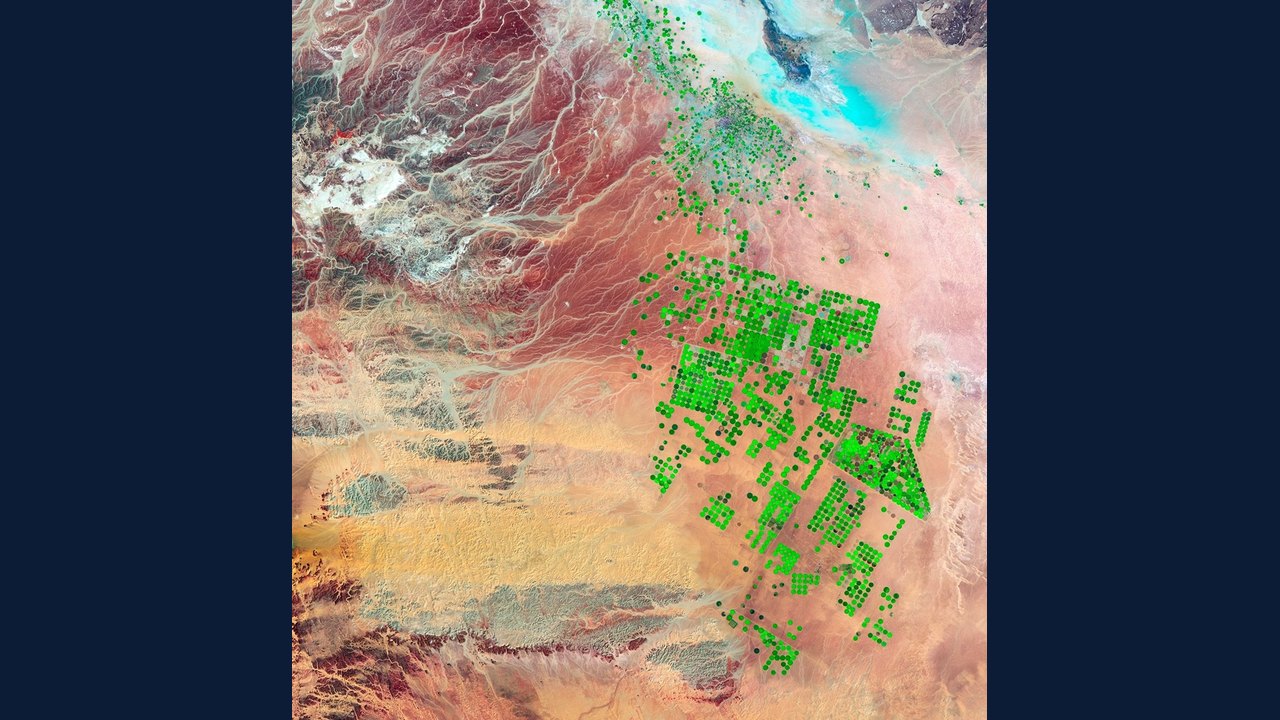 NASA Explores Super Intelligence to Enhance Science Data and Research
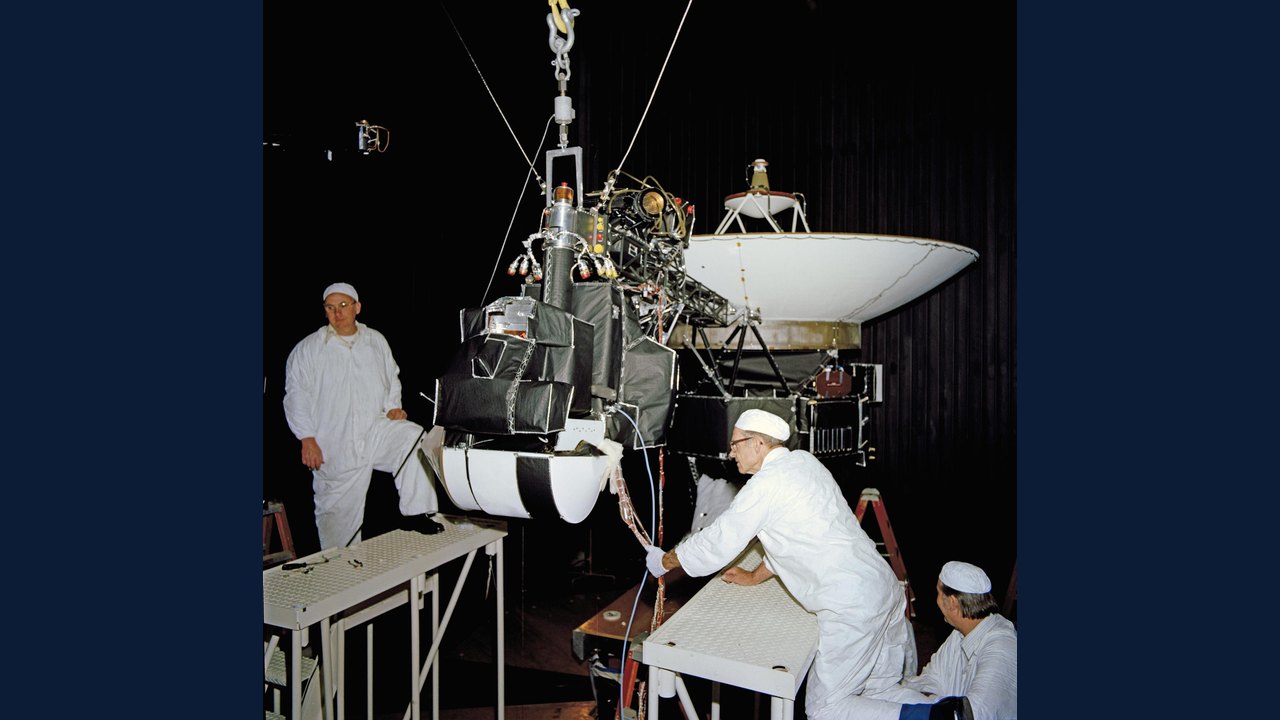 NASA’s Voyager 1 Conserves Power, Resolves Brief Communications Pause
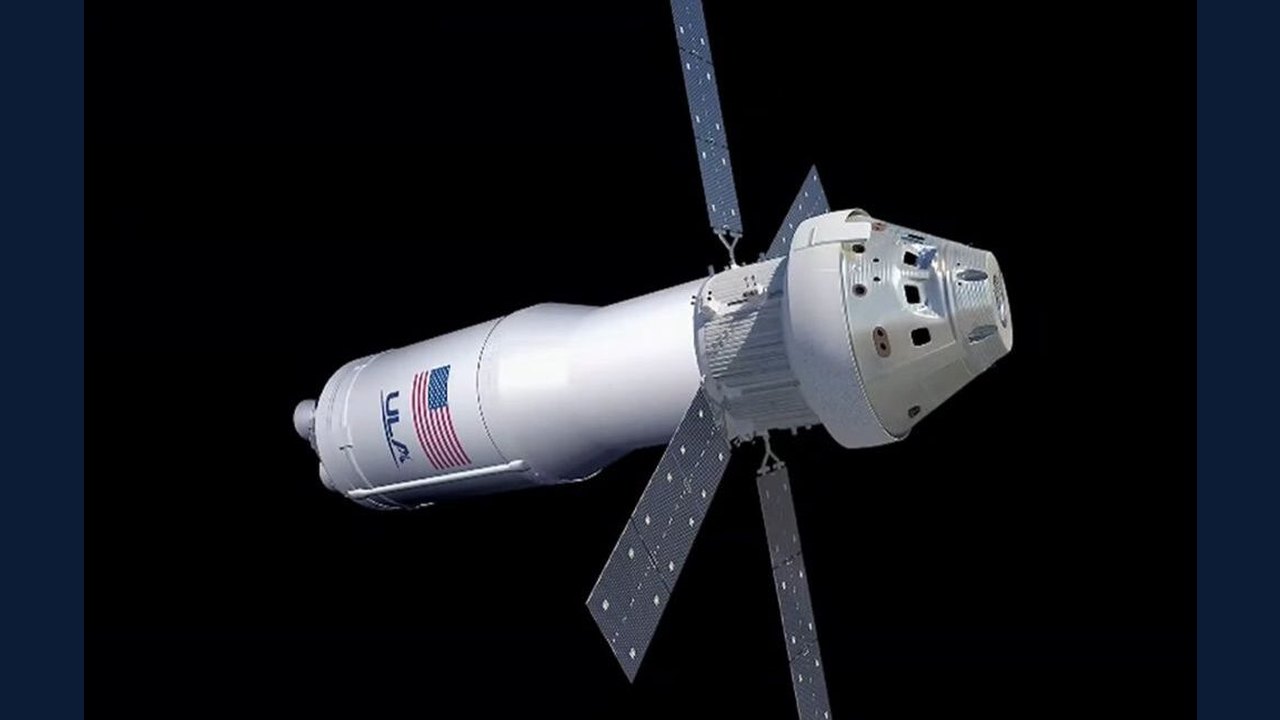 NASA Updates Artemis Lander Plans and Resolves Orion Propulsion Limitations
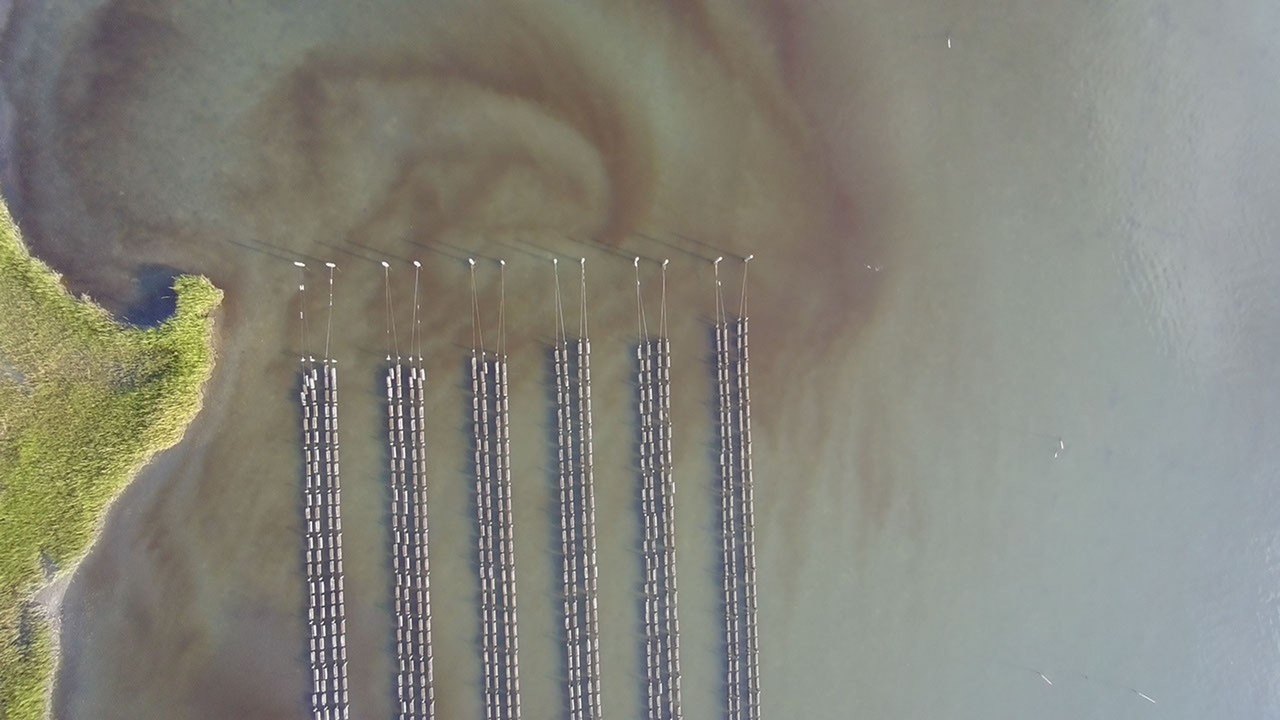 NASA-Funded Analysis Supports Virginia Oyster Farm Assessment Following Algae Bloom
Trending on GlobeWire Daily
Selected from recent coverage and related topics; not live search rankings.
 Madhya Pradesh Government Plans Revenue Generation from 117-Year-Old Edward Villa in Mumbai Through Leasing
 iPhone 18 Pro Named TechRadar Product of the Year 2026
 Google Project Suncatcher Runs Gemma 4 AI on Orbiting Satellite and Receives First Response
 Gender Disparities in Eye Care Access Across India Examined
 Satellite Images Show Cyclone Arnab Weakening Over India As New System Brews
 Expanding Green and Blue Spaces Crucial for India's Economic and Public Health, Reports Indicate