NASA Updates Artemis Lander Plans and Resolves Orion Propulsion Limitations
· GlobeWire Daily Editorial Desk · Source: arstechnica.com

Image: Ars Technica · Photo source · Resized and letterboxed to 16:9; no AI generation
NASA has detailed revised architectural plans for returning astronauts to the lunar surface under the Artemis Program, outlining target timelines and adjustments for commercial lander partners SpaceX and Blue Origin. Agency officials discussed the updates during a Friday news conference, emphasizing ongoing efforts to streamline mission profiles and support contractor execution.
Artemis Mission Timeline and Architecture Updates
- Artemis III Demonstration: NASA continues to track toward a demonstration mission by summer 2027, which involves docking with both Blue Moon and Starship near Earth.
- Artemis IV Lunar Landing: Officials anticipate an actual crewed landing on the lunar surface in 2028.
- Leadership Statements: NASA Administrator Jared Isaacman described the updated path as achievable, pointing to stakeholder support and resources.
SpaceX Starship and High-Earth Orbit Updates
Following the cancellation of the Lunar Gateway, NASA altered the SpaceX mission architecture. The revised plan directs the Orion spacecraft to dock with the Starship lunar lander in high-Earth orbit before transiting to the Moon. Crew members will launch inside Orion before transferring to Starship for the lunar descent.
Discussions regarding propellant requirements continue. While a NASA Safety Panel recently reported an estimate of roughly 22 tanker launches for fueling, SpaceX founder Elon Musk asserted the actual requirement is six to eight. NASA officials declined to specify a definitive number, noting ongoing uncertainties regarding lift capacity, cryogenic boil-off, and transfer efficiency in orbit.
Blue Origin and Low-Lunar Orbit Modifications
Blue Origin has adjusted its operational concept to eliminate inter-vehicle refueling requirements for initial missions. The architecture involves multiple New Glenn launches to deliver transfer stages and the Blue Moon Mark 2 lander to low-Earth orbit.
Additionally, NASA revealed plans to enable Orion to rendezvous with the Blue Moon lander in low-lunar orbit, rather than higher elliptical orbits. According to Artemis program manager Jeremy Parsons, a lower orbit reduces propellant demands for the lander and improves abort options from the surface.
Resolving the Orion Service Module Constraint
To achieve low-lunar orbit access, NASA is collaborating with United Launch Alliance to develop an extended version of the Centaur V upper stage. Combined with the Space Launch System core stage, this modification resolves a longstanding propulsion limitation wherein the Orion spacecraft and its service module lacked sufficient delta-V capability to reach low-lunar orbit and return directly to Earth.
Practical Implications and Verification
These architectural adjustments aim to reduce technical burdens on commercial partners and accelerate the timeline toward sustainable lunar exploration. Observers and stakeholders can verify official announcements, technical documentation, and mission schedules directly through NASA’s public news releases and Artemis program briefings.
AI-assisted reporting; source claims are attributed and have not been independently verified.
More to read
 NASA Updates Communications to Incorporate 'Super Intelligence' Following Executive Order
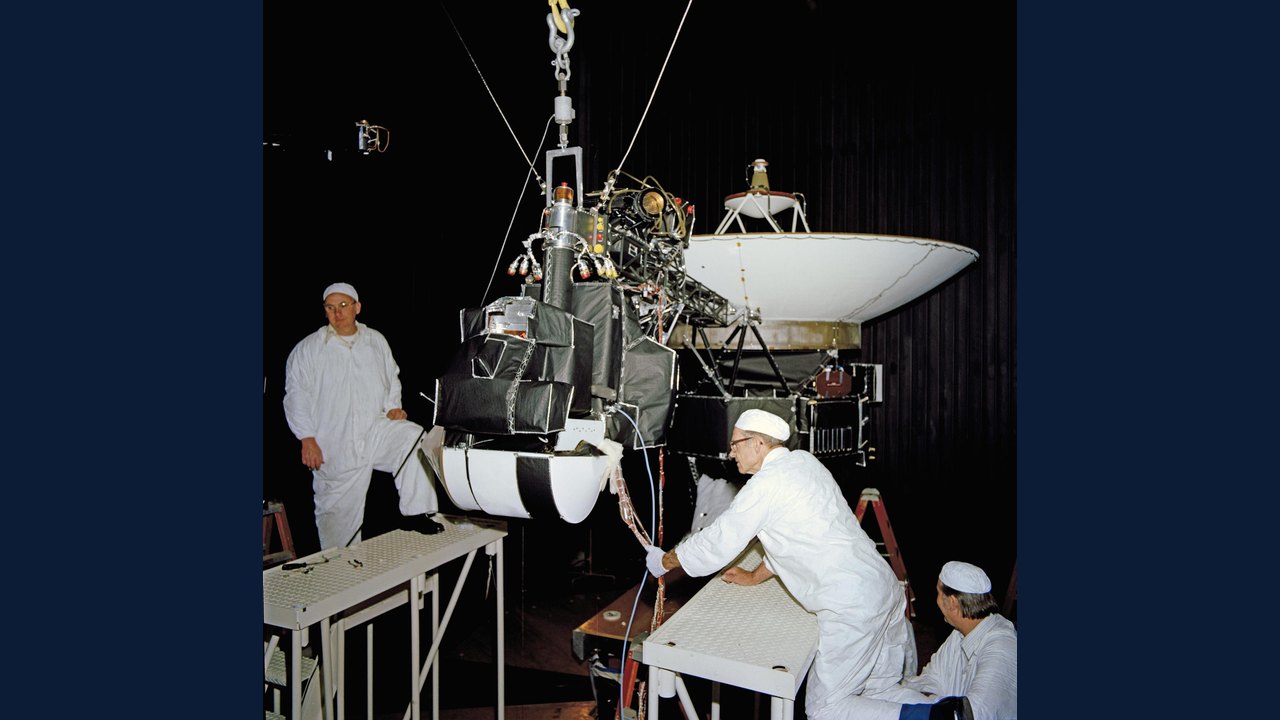 NASA’s Voyager 1 Conserves Power, Resolves Brief Communications Pause
 NASA Outlines Artemis 3 Mission Plan Involving Three Separate Rocket Launches
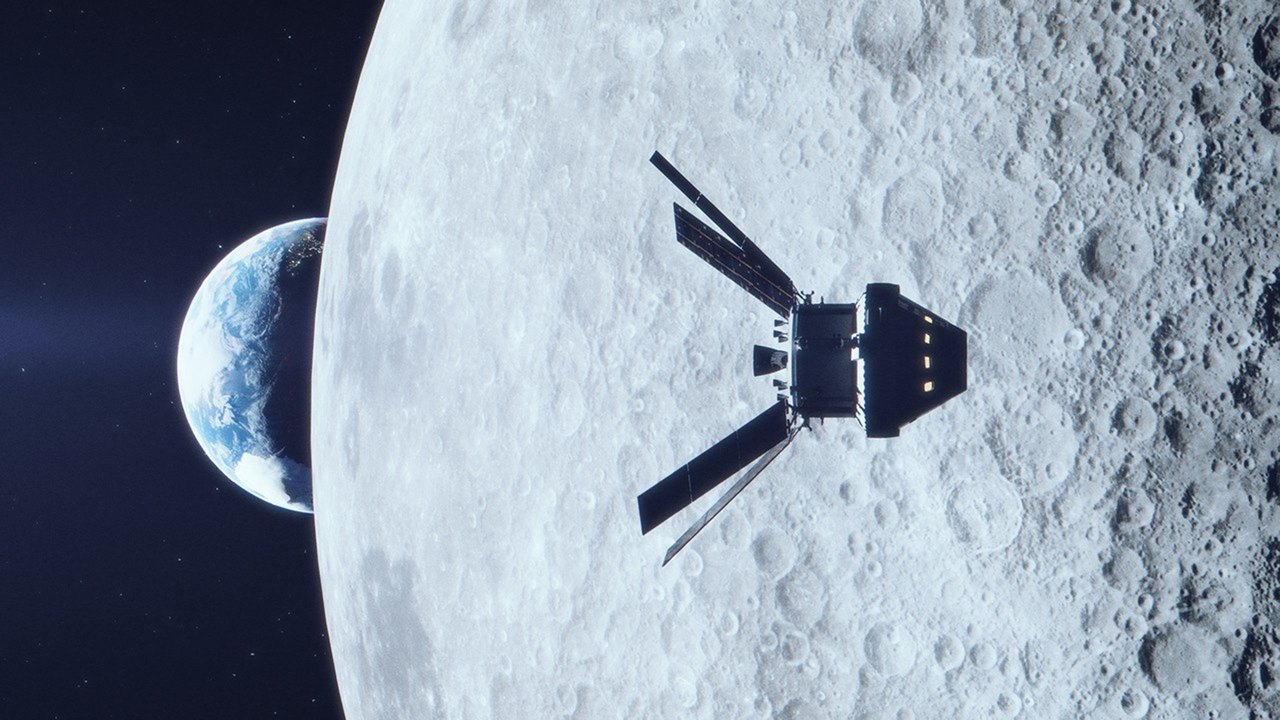 NASA's Exploration Science Strategy Integration Office Drives Lunar Research and Artemis Missions
Trending on GlobeWire Daily
Selected from recent coverage and related topics; not live search rankings.
 Madhya Pradesh Government Plans Revenue Generation from 117-Year-Old Edward Villa in Mumbai Through Leasing
 iPhone 18 Pro Named TechRadar Product of the Year 2026
 Google Project Suncatcher Runs Gemma 4 AI on Orbiting Satellite and Receives First Response
 Gender Disparities in Eye Care Access Across India Examined
 Satellite Images Show Cyclone Arnab Weakening Over India As New System Brews
 Expanding Green and Blue Spaces Crucial for India's Economic and Public Health, Reports Indicate