NASA's Curiosity Rover Prepares to Drill at 'Nazca' Site to Investigate Martian Crystal Forms
· GlobeWire Daily Editorial Desk · Source: science.nasa.gov
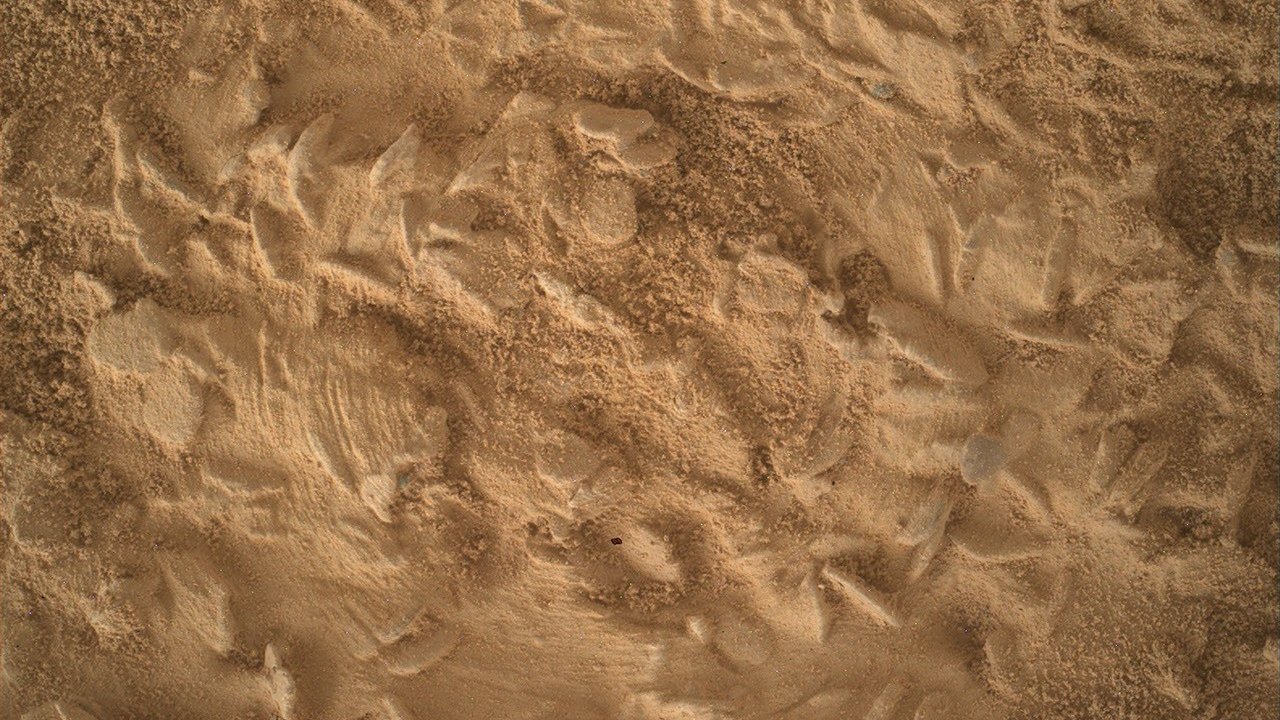
Image: science.nasa.gov · Photo source · Cropped to 16:9; original source image
Curiosity Moves to 'Nazca' for Next Drilling Campaign
NASA's Mars Science Laboratory rover, Curiosity, has returned to an area near the "Chiu Chiu" block to initiate a new drilling campaign at a site designated "Nazca." Following the completion of the Basque Lakes drill campaign, the science team evaluated neighboring blocks and identified the Nazca target as promising due to its high concentration of distinct disc- and needle-shaped textures.
According to mission updates written by planetary scientist Lucy Lim at NASA's Goddard Space Flight Center, the initial block "Chiu Chiu" was not ideal for drilling. However, post-drive imaging revealed that the adjacent block shared the same textural characteristics, prompting a quick science go-ahead to prepare for drilling at Nazca.
Unlocking the History of Martian Crystals
The prominent disc and needle shapes found at the site are hypothesized to be original crystal forms. Mineral crystals typically grow into specific geometric shapes based on their microscopic structure, similar to salt crystals grown in school science projects. Researchers note that the relatively large size of these crystal forms offers clues regarding past temperatures and the availability of salts and fluids on ancient Mars.
However, scientists maintain caution regarding whether the current composition reflects the original minerals. Crystals can sometimes be replaced over time by secondary minerals—known as pseudomorphs—which retain the original shape while possessing a different molecular structure and composition.
Advanced Imaging and Chemical Analysis
Before conducting the drill preload test, the mission team scheduled several targeted observations to characterize the textures in detail. The Mars Hand Lens Imager (MAHLI) will execute a Quantitative Relief Model observation using five overlapping images at slightly different geometries to build a three-dimensional relief model. Additionally, MAHLI will double the number of focus mechanism steps for its highest-resolution imaging.
Meanwhile, the ChemCam Laser-Induced Breakdown Spectroscopy (LIBS) instrument will perform a specialized depth profile experiment on a nearby target named "Toucan." By concentrating all 150 laser shots onto a single spot instead of distributing them across a multi-point raster, the instrument aims to penetrate approximately five times deeper than usual. This technique will allow researchers to check whether the interior composition of the crystal form differs from its surface.
Other instruments, including the Dust Removal Tool (DRT) and the Alpha Particle X-Ray Spectrometer (APXS), will evaluate the surface composition at the Nazca spot prior to drilling. Another LIBS observation is planned for a nearby layered block named "Condor."
Atmospheric Observations During Twilight Cloud Season
Alongside geological studies, Curiosity continues to monitor the modern Martian environment as the twilight cloud season begins. The rover's schedule includes nighttime imaging of Phobos, the larger of Mars' two moons. Capturing Phobos and the surrounding sky when the moon is full allows scientists to measure sunlight scattering through the Martian atmosphere, helping estimate particle sizes in high-altitude carbon dioxide clouds.
Analysis and Verification
What is Confirmed
- Curiosity has successfully maneuvered near the Chiu Chiu block and targeted the Nazca site for upcoming drilling preparations.
- The targeted rocks feature distinct disc- and needle-shaped crystal forms.
- The mission team is utilizing MAHLI, ChemCam LIBS, DRT, and APXS to examine surface and subsurface compositions.
- Nighttime imaging of Phobos is underway to study high-altitude carbon dioxide cloud particle sizes.
What Remains Unknown
- Whether the current mineral composition of the crystal forms represents their original state or consists of pseudomorphs.
- The exact temperature and fluid conditions that governed the original crystal growth.
Practical Implications and How to Verify
Readers interested in tracking ongoing mission developments can consult official NASA channels. Detailed updates, raw images, and instrument logs are published directly by the mission team. Readers can review the primary announcements and learn more about the science instruments via the NASA Curiosity Blog.
AI-assisted reporting; source claims are attributed and have not been independently verified.
More to read
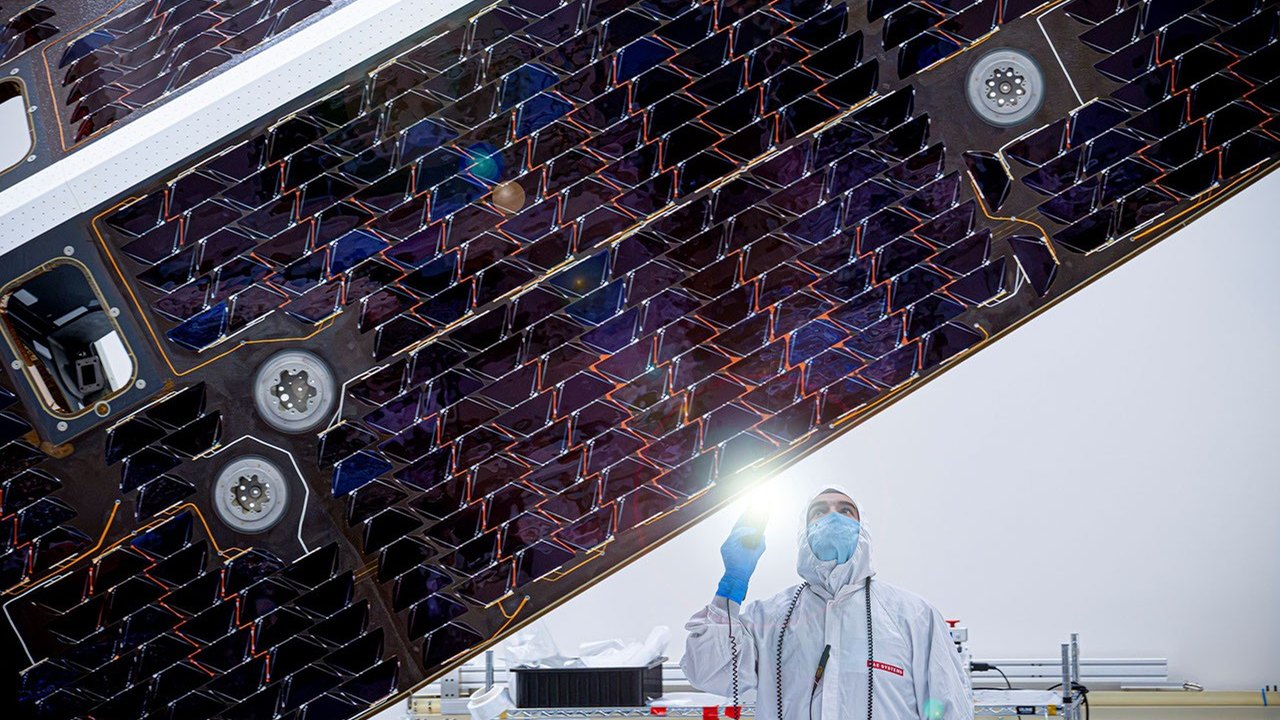 NASA's NEO Surveyor Mission Reaches Key Milestone With Sunshade and Solar Array Integration
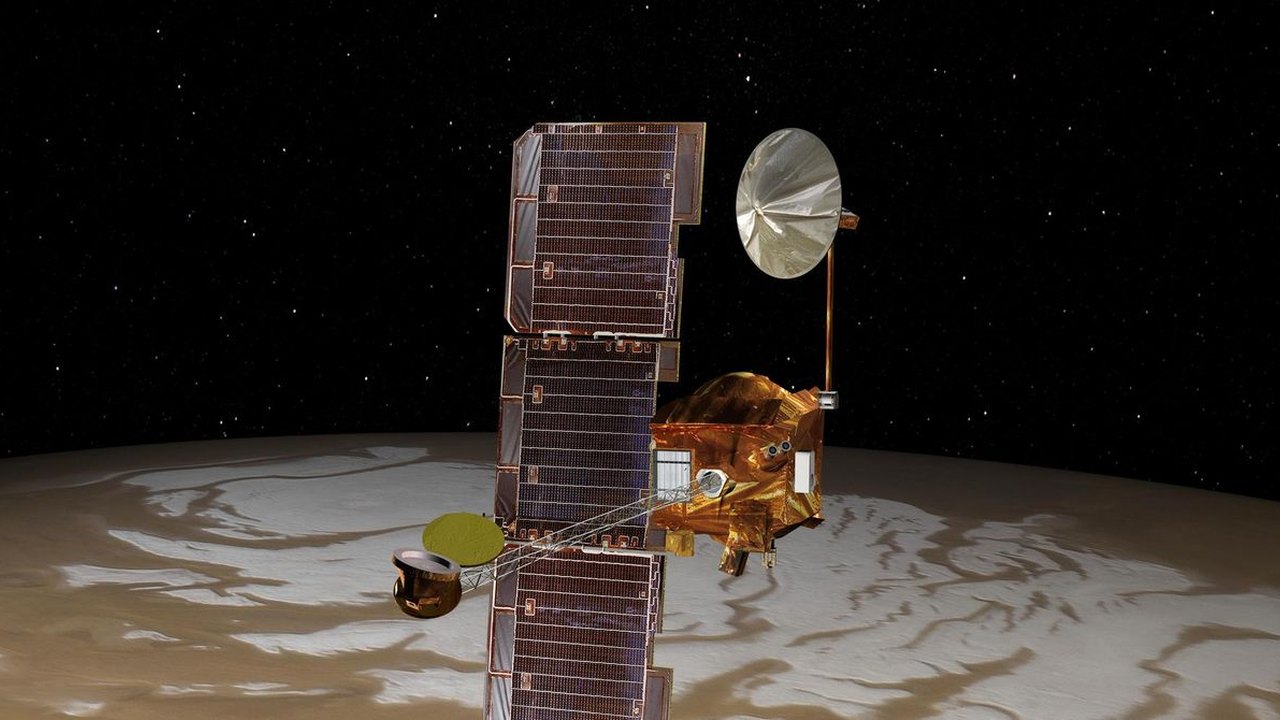 NASA’s Aging Mars Orbiters Defy Expectations Through Engineering and Adaptation
 NASA Adopt a Pixel: Official Signup & Roman Certificate
 NASA Advances Nuclear-Powered 'SR-1 Freedom' Spacecraft Ahead of 2028 Launch
Related coverage
Related reporting available at publication.
NASA's NEO Surveyor Mission Reaches Key Milestone With Sunshade and Solar Array IntegrationNASA’s Aging Mars Orbiters Defy Expectations Through Engineering and AdaptationNASA Adopt a Pixel: Official Signup & Roman CertificateNASA Advances Nuclear-Powered 'SR-1 Freedom' Spacecraft Ahead of 2028 Launch NASA’s Neil Gehrels Swift Observatory Ceases Operations Ahead of Imminent Re-entry
 NASA Launches Commercial Satellite Communication Tests to Modernize Space Data Relays