NASA's James Webb Space Telescope Reveals Detailed Map of Dark Matter's Influence
· GlobeWire Daily Editorial Desk · Source: www.jpl.nasa.gov

Original GlobeWire Daily editorial illustration — not an event photograph.
Researchers using data from NASA’s James Webb Space Telescope have published one of the most detailed, high-resolution maps of dark matter ever produced. Published Monday, Jan. 26, in Nature Astronomy, the new map reveals how the invisible, ghostly material overlaps and intertwines with regular matter across vast cosmic structures.
Unprecedented Resolution and Clarity
According to the study's lead author, Diana Scognamiglio, an astrophysicist at NASA’s Jet Propulsion Laboratory, the map is the largest dark matter map created with Webb and is twice as sharp as any produced by other observatories. The data illustrates how dense regions of dark matter connect via lower-density filaments to form the cosmic web, a weblike structure that regular matter tends to follow.
- Telescope Comparison: The new map contains about 10 times more galaxies than ground-based observatory maps and twice as many as those from the Hubble Space Telescope.
- Observation Time: Webb peered at the region in the constellation Sextans for about 255 hours, identifying nearly 800,000 galaxies.
- Methodology: Scientists tracked dark matter by observing how its mass curves space, bending the light traveling from distant galaxies to Earth.
Cosmic Scaffolding and Evolution
Dark matter does not emit, absorb, or reflect light, passing through regular matter invisibly. However, it interacts via gravity. Coauthor Richard Massey of Durham University noted that the map confirms dark matter and regular matter have always shared the same locations and grew up together, as dark matter's gravity pulled regular matter toward it throughout cosmic history.
Scientists believe dark matter clumped together first in the early universe, creating gravitational anchors that pulled in regular matter to form the first stars and galaxies. This process provided more time for complex planets to form by prompting early star and galaxy generation.
Practical Implications and Verification
To verify these findings and refine distance measurements, the research team utilized Webb's Mid-Infrared Instrument (MIRI) alongside other observatories. Researchers plan to continue studying dark matter using upcoming missions like NASA's Nancy Grace Roman Space Telescope, though future high-resolution mapping will rely on concepts like the proposed Habitable Worlds Observatory. Readers can review the original study published in Nature Astronomy or consult official releases from NASA and the Jet Propulsion Laboratory.
AI-assisted reporting; source claims are attributed and have not been independently verified.
More to read
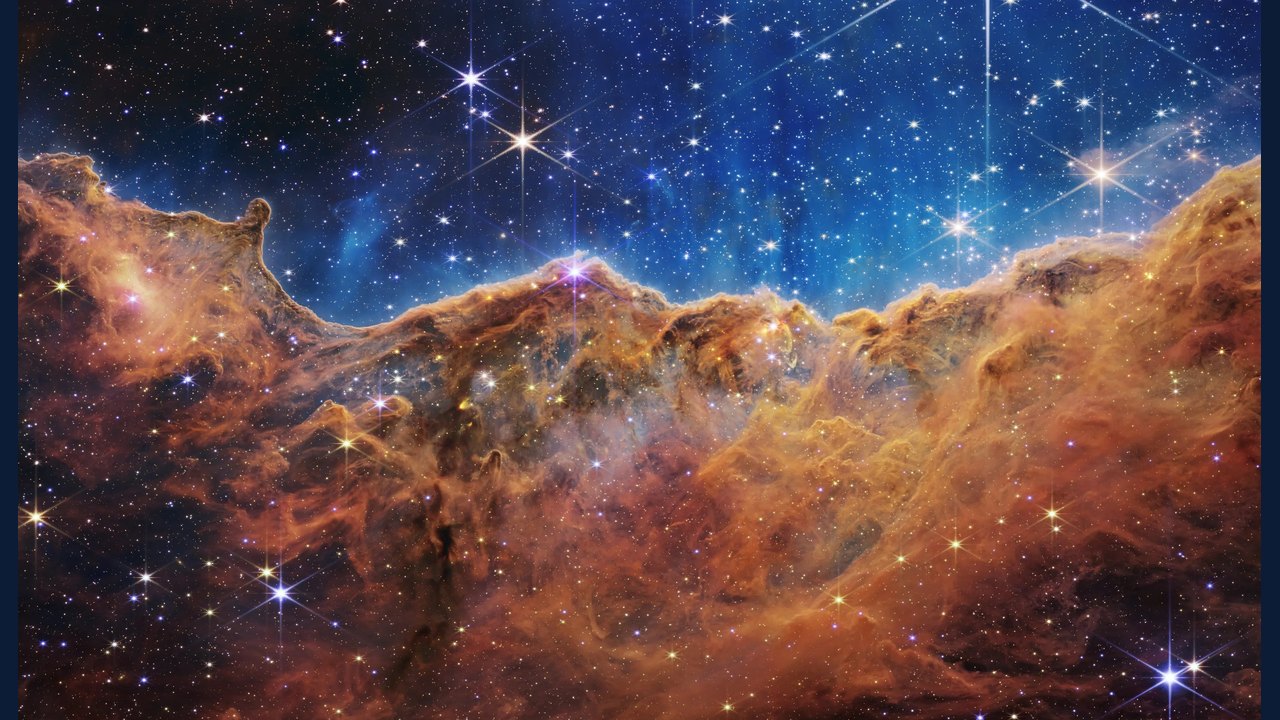 NASA Releases James Webb Space Telescope's First Full-Color Science Images
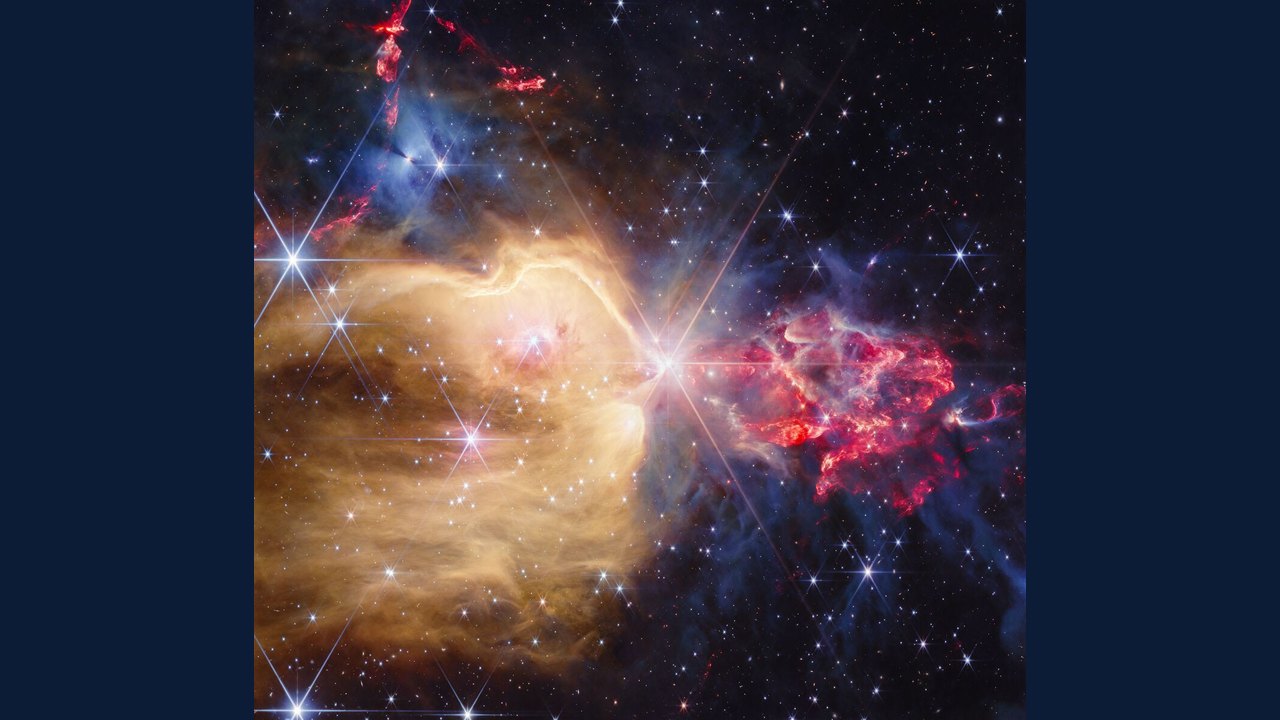 NASA's James Webb Space Telescope Captures Star Formation in NGC 7129
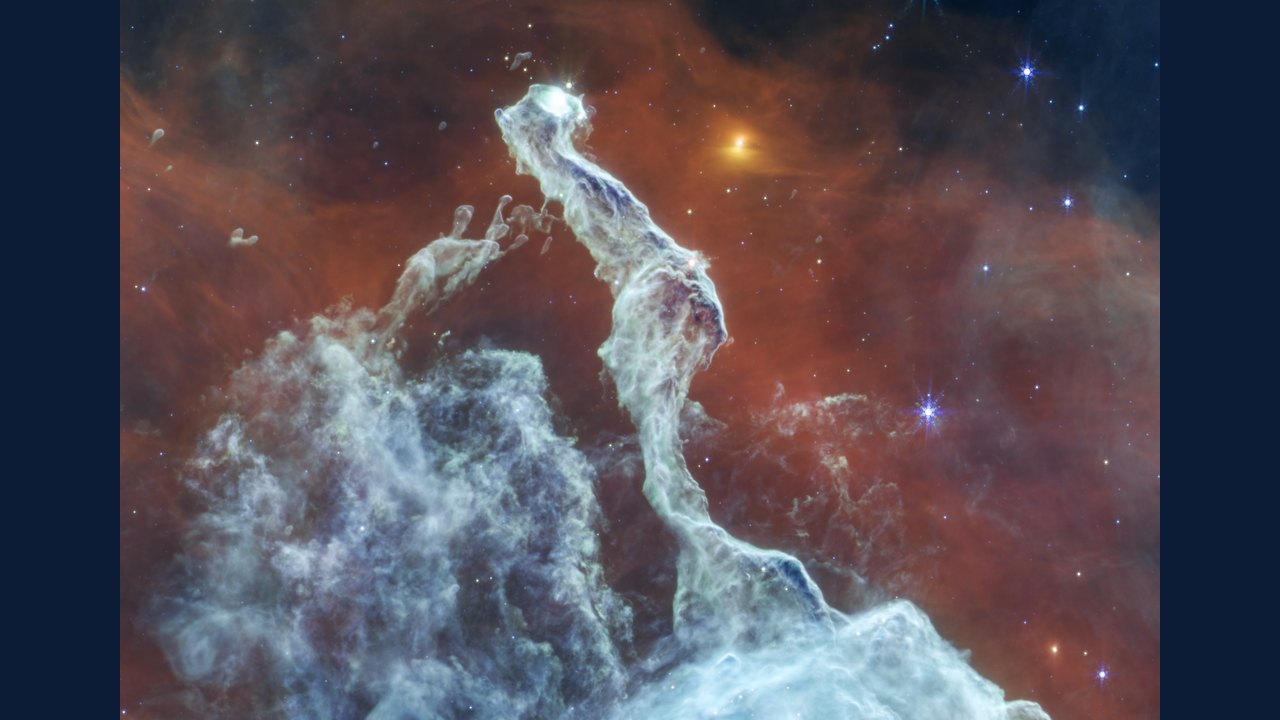 NASA’s Webb Telescope Reveals Detailed Structures in the Cat’s Head Nebula
 NASA Releases James Webb Space Telescope Mid-Infrared View of the Cat's Head Nebula