NASA's Perseverance Rover Discovers Hydrated Silica Rocks at 'Idubi' on Mars
· GlobeWire Daily Editorial Desk · Source: science.nasa.gov
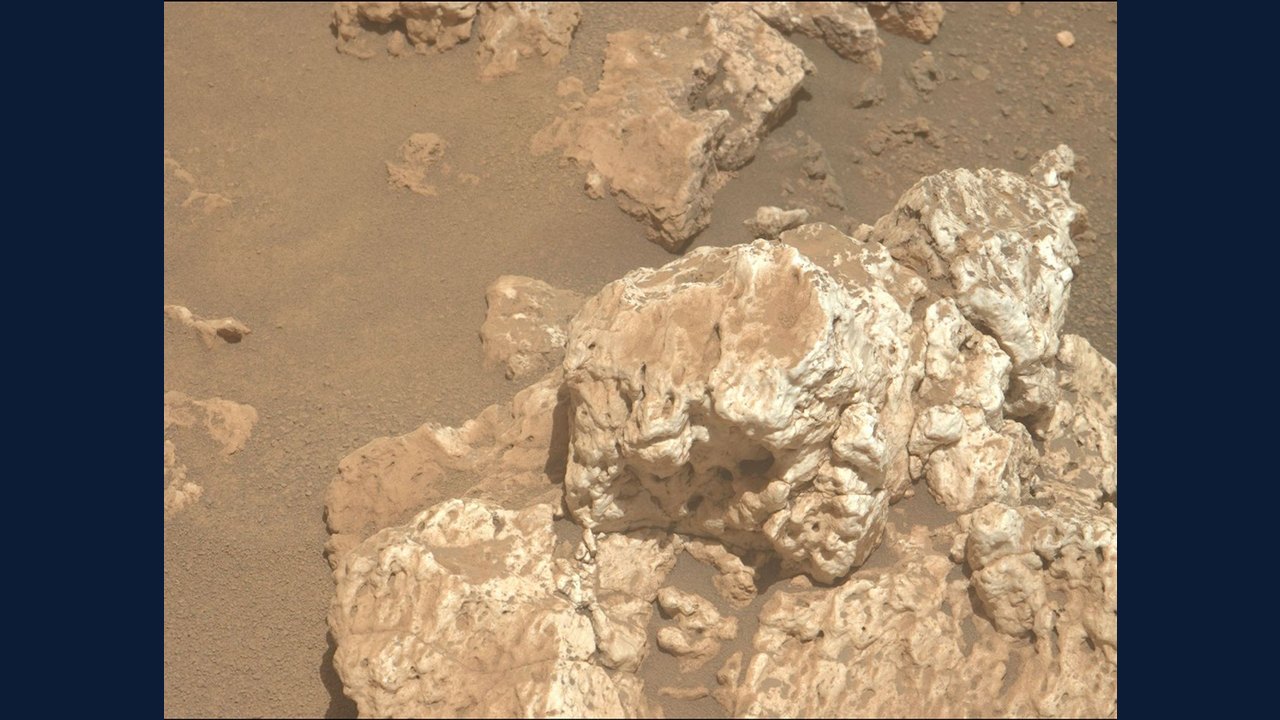
Image: NASA Science · Photo source · Resized and letterboxed to 16:9; no AI generation
NASA's Perseverance rover has identified a cluster of light-toned, silica-rich rocks in an area of ancient Martian crust known as "Idubi," located within the "Lac de Charmes" region outside Jezero Crater. According to mission updates written by Candice Bedford, Research Scientist at Purdue University, newly downlinked data from the rover's SuperCam instrument confirmed that these bright fragments are not igneous in origin, but are instead rich in hydrated silica.
On Earth, hydrated silica can form in various aqueous environments, including hydrothermal, pedogenic, and groundwater systems. Researchers consider such deposits prime targets for understanding Mars' hydrological history because these environments could have supported life. Additionally, hydrated silica holds astrobiological value due to its capacity to preserve microfossils.
Investigation and Future Campaign
- Previous Encounters: Perseverance previously encountered silica-rich rocks on the inner rim of Jezero Crater, but those deposits were too small for proximity science instruments.
- Current Status: The rocks at "Idubi" offer a larger, more promising scale, and a detailed proximity science campaign is currently underway to gather high-resolution chemical and mineralogical data.
Practical Implications and Verification
- Scientific Value: These pale remnants of an ancient Martian water system may help researchers understand past aqueous environments and assess biosignature preservation potential.
- How to Verify: Readers can review official mission blogs, instrument pages, and raw image archives provided directly by NASA's Mars Exploration Program to follow updates from the Perseverance team.
AI-assisted reporting; source claims are attributed and have not been independently verified.
More to read
 NASA's Curiosity Mars Rover Captures Drifting Twilight Clouds
 NASA Releases Collage Highlighting 49 Drill Holes Made by Curiosity Mars Rover
 NASA’s Perseverance Rover Provides New Insights Into Martian Dust Risks
 NASA's Perseverance Rover Captures Detailed 360-Degree View of Ancient Martian River Valley