NASA’s Perseverance Rover Provides New Insights Into Martian Dust Risks
· GlobeWire Daily Editorial Desk · Source: www.nasa.gov

Original GlobeWire Daily editorial illustration — not an event photograph.
Findings on Martian Dust
NASA’s Perseverance rover has spent over 1,645 Martian days analyzing dust particles clinging to spacesuit material samples carried on its chassis. The findings, set for publication in the Proceedings of the National Academy of Sciences on Tuesday, Oct. 27, reveal the presence of fine and ultrafine dust particles on the planet's surface.
Key observations from the rover's PIXL and SHERLOC instruments include:
- Particle Size: PIXL detected fine particles smaller than 2.5 micrometers and ultrafine particles around 100 nanometers—sizes small enough to potentially penetrate human lungs or enter the bloodstream.
- Composition: The dust is enriched with sulfur, chlorine, iron, phosphorus, and calcium sulfate.
- Adhesion: Static electricity causes these particles to adhere to spacesuit materials, such as Teflon and Vectran, even after extensive rover movement.
Implications for Future Missions
Understanding the behavior and chemical composition of Martian dust is critical for human exploration. Unlike lunar dust, which is jagged from windless collisions, Martian dust is rounded by wind but chemically reactive. On Earth, similar particle sizes are associated with respiratory and neurological health risks.
NASA researchers suggest these findings will guide:
- Spacesuit and Habitat Design: Selecting materials that naturally resist dust accumulation.
- Operational Procedures: Implementing technologies like suitports or dual-chamber airlocks to minimize dust intake.
- Exposure Standards: Defining safe limits for astronauts on future Mars missions.
NASA continues to test mitigation technologies, such as Electrodynamic Dust Shields, on the Moon to prepare for upcoming crewed missions. Detailed information regarding the Perseverance mission can be found on NASA's official mission website.
AI-assisted reporting; source claims are attributed and have not been independently verified.
More to read
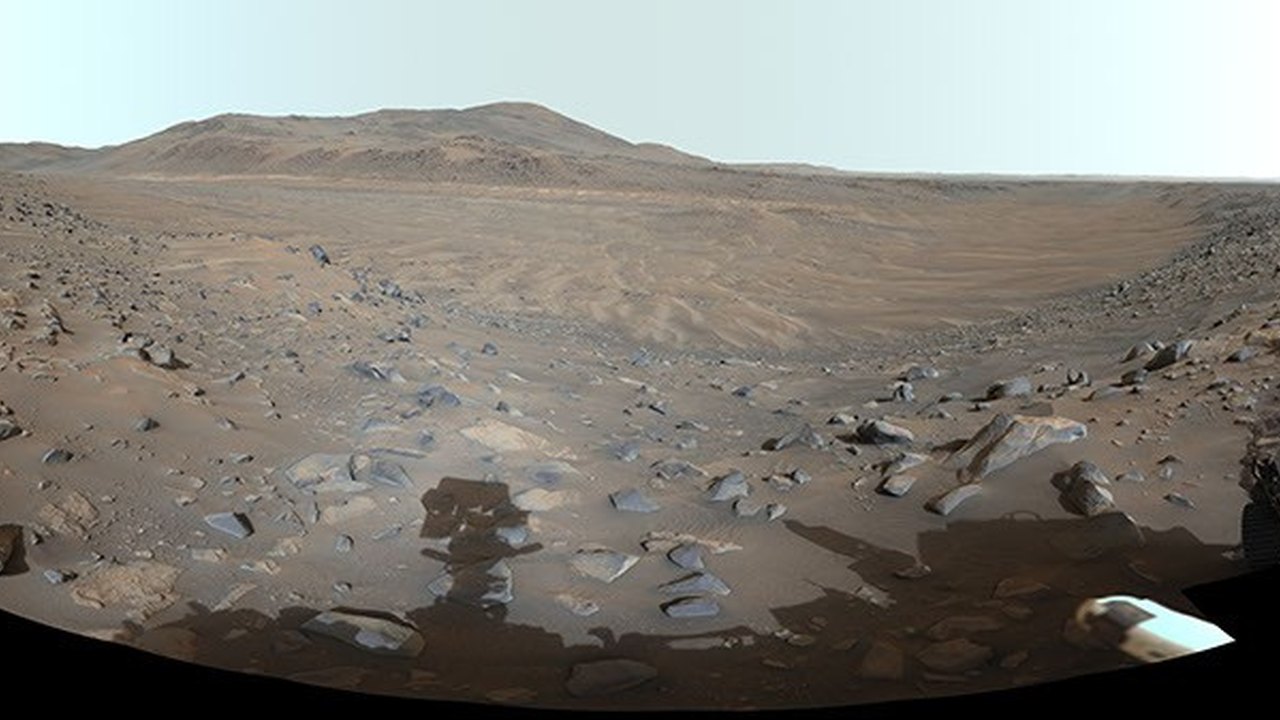 NASA's Perseverance Rover Captures Detailed 360-Degree View of Ancient Martian River Valley
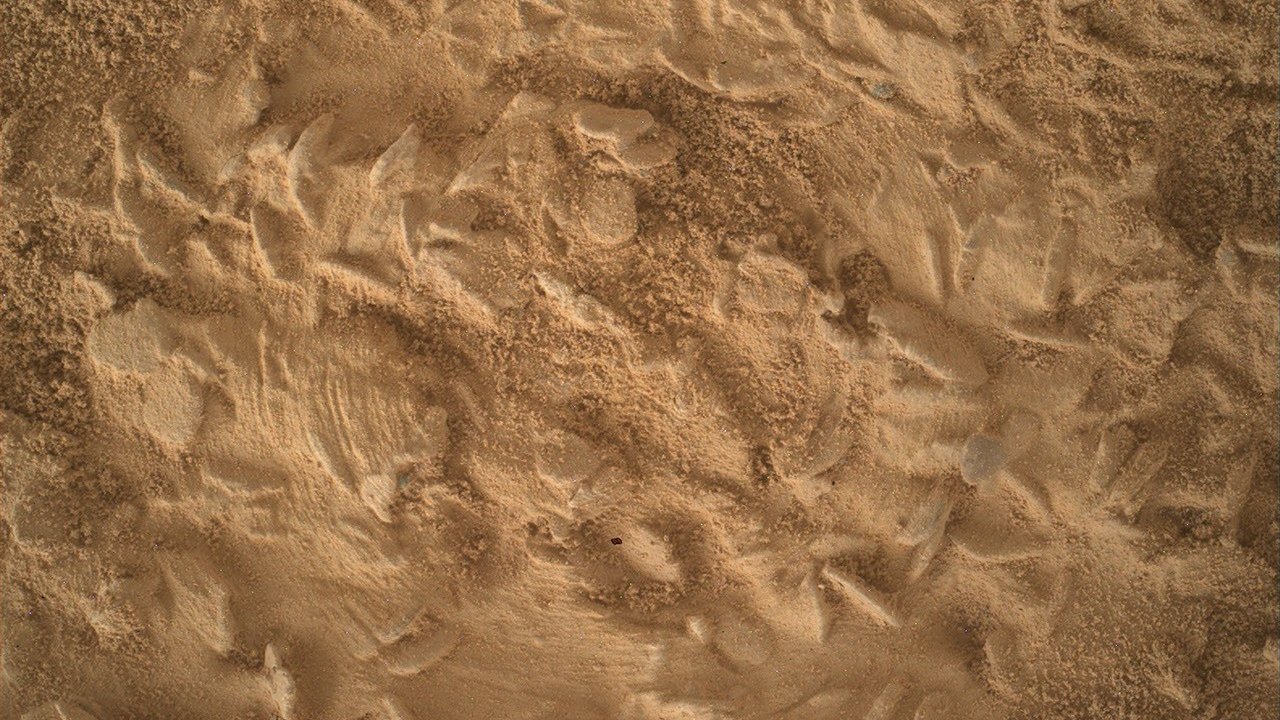 NASA's Curiosity Rover Prepares to Drill at 'Nazca' Site to Investigate Martian Crystal Forms
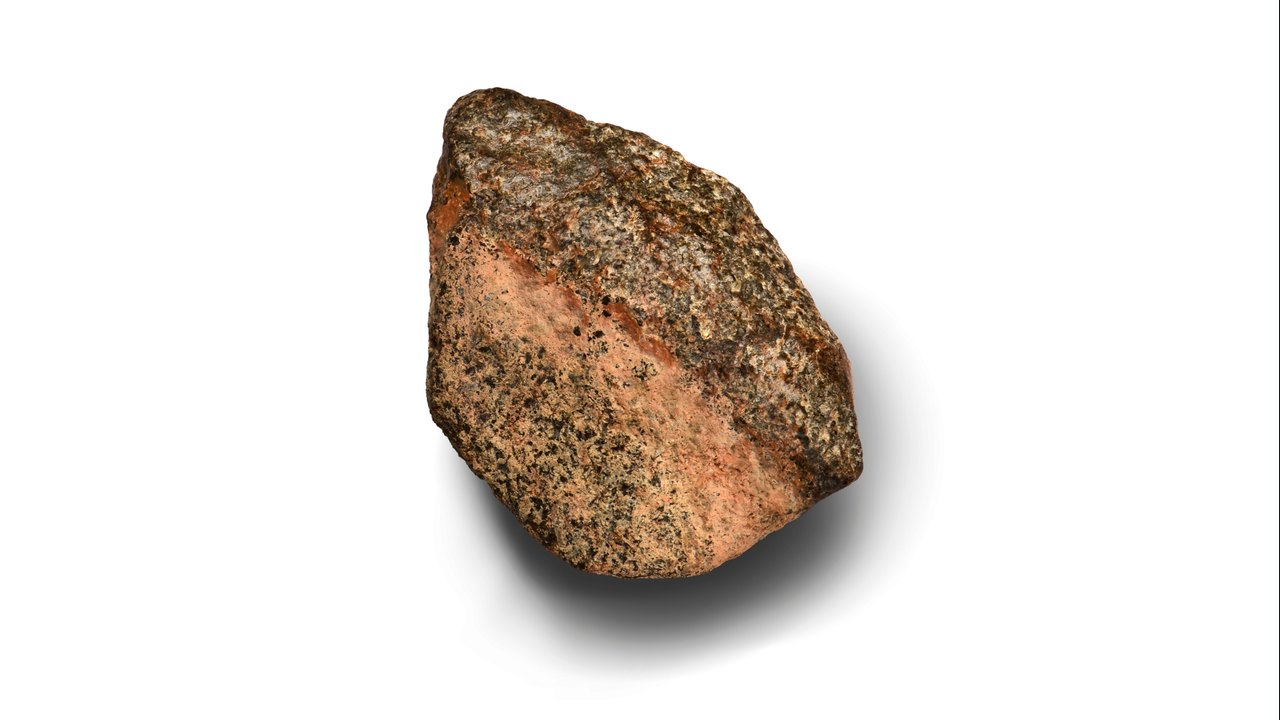 NASA-Funded Study Details Teghaza 001, One of the Oldest Martian Meteorites Found on Earth
 NASA Explores Super Intelligence to Enhance Science Data and Research
Trending on GlobeWire Daily
Selected from recent coverage and related topics; not live search rankings.
 Madhya Pradesh Government Plans Revenue Generation from 117-Year-Old Edward Villa in Mumbai Through Leasing
 iPhone 18 Pro Named TechRadar Product of the Year 2026
 Google Project Suncatcher Runs Gemma 4 AI on Orbiting Satellite and Receives First Response
 Gender Disparities in Eye Care Access Across India Examined
 Satellite Images Show Cyclone Arnab Weakening Over India As New System Brews
 Expanding Green and Blue Spaces Crucial for India's Economic and Public Health, Reports Indicate