Examining Attendance Shifts and Marketing Challenges in the Women's Super League
· GlobeWire Daily Sports Desk · Source: www.bbc.co.uk
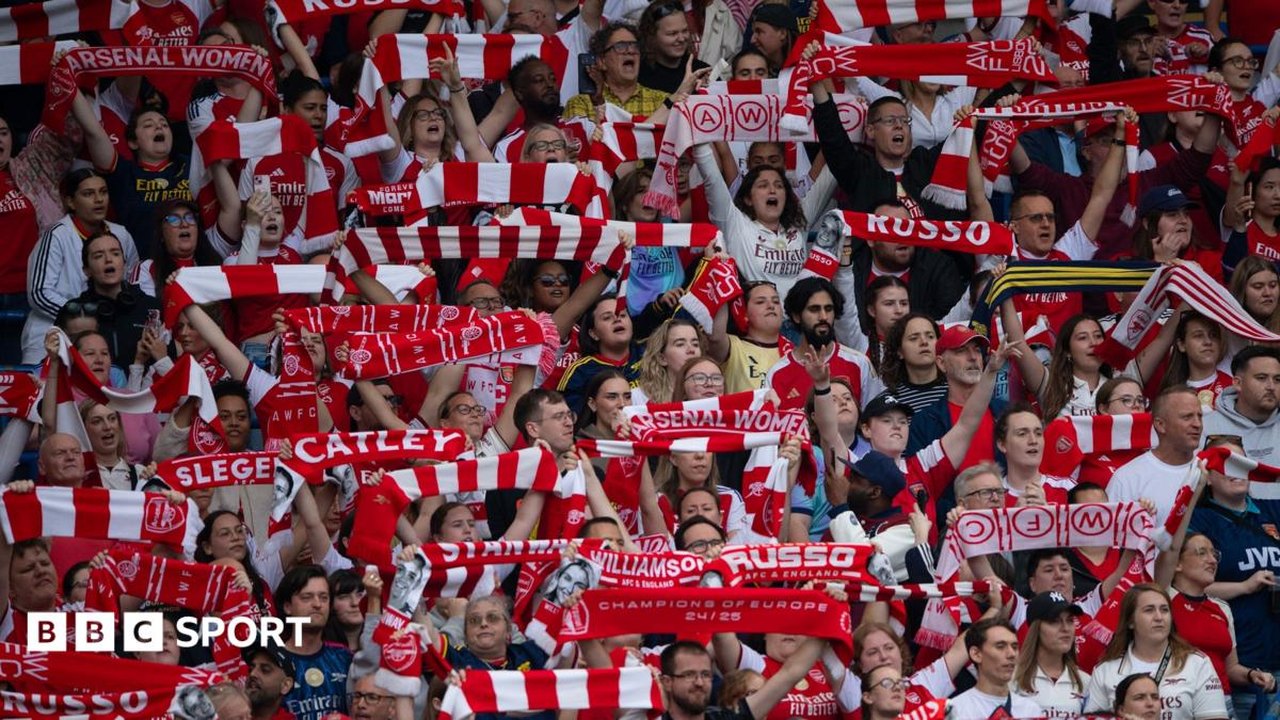
Image: BBC Sport · Photo source · Resized and letterboxed to 16:9; no AI generation
A recent report highlights changing attendance patterns and fan experiences across the Women's Super League, following a period of rapid growth after Euro 2022. While overall median crowds have seen modest increases, some high-profile fixtures have recorded lower attendances compared to previous seasons.
Fan Experience and Marketing Debates
According to research from YouGov and Populous surveying 2,000 fans, a welcoming, family-friendly environment ranked as a top priority for matchday enjoyment, surpassing on-pitch performance for many respondents. However, family-focused marketing campaigns and entertainment offerings—such as themed matchdays and pre-match attractions—have drawn mixed reactions. Some supporters expressed concerns that excessive entertainment elements risk overshadowing the sport itself, while others noted that diverse marketing approaches can successfully cater to different groups.
Scheduling and Competitive Balance
Inconsistent kick-off times and fixture scheduling emerged as common concerns among supporters, with late changes making it difficult to establish regular matchday routines. Additionally, some fans and club representatives pointed to a lack of competitive jeopardy and the dominance of a few top teams as factors affecting spectator interest across domestic matches.
Stadium Infrastructure and Future Outlook
Clubs continue to navigate the balance between playing in large main stadiums and smaller venues. While major grounds offer high capacity and iconic settings, the novelty has worn off for some visitors, leading to fluctuating crowds. To address venue needs, some clubs are pursuing dedicated infrastructure projects, such as Brighton's plans for a purpose-built women's football stadium.
- Report Sources: YouGov and Populous study based on 2,000 surveyed fans.
- Key Challenges: Inconsistent scheduling, competitive balance, and aligning family-oriented entertainment with traditional fan expectations.
To verify original announcements and statements, consult official club channels and the WSL Football communications team.
AI-assisted reporting; source claims are attributed and have not been independently verified.
More to read
 Manchester United Held to Goalless Draw by Everton in Women's Super League
 England Men and Women Face Early Rugby League World Cup Exits Amid Preparation Struggles
 Manchester City 1-1 Paris Saint-Germain: Women's Champions League – as it happened
 Indian Super League: Ajaraie Misses Last-Gasp Penalty as Odisha Hold NorthEast United
Trending on GlobeWire Daily
Selected from recent coverage and related topics; not live search rankings.
 Madhya Pradesh Government Plans Revenue Generation from 117-Year-Old Edward Villa in Mumbai Through Leasing
 iPhone 18 Pro Named TechRadar Product of the Year 2026
 Google Project Suncatcher Runs Gemma 4 AI on Orbiting Satellite and Receives First Response
 Gender Disparities in Eye Care Access Across India Examined
 Satellite Images Show Cyclone Arnab Weakening Over India As New System Brews
 Expanding Green and Blue Spaces Crucial for India's Economic and Public Health, Reports Indicate