Former United Stars Turn Club’s Struggles Into a 24‑Hour Media Machine
· GlobeWire Daily Sports Desk · Source: www.bbc.co.uk
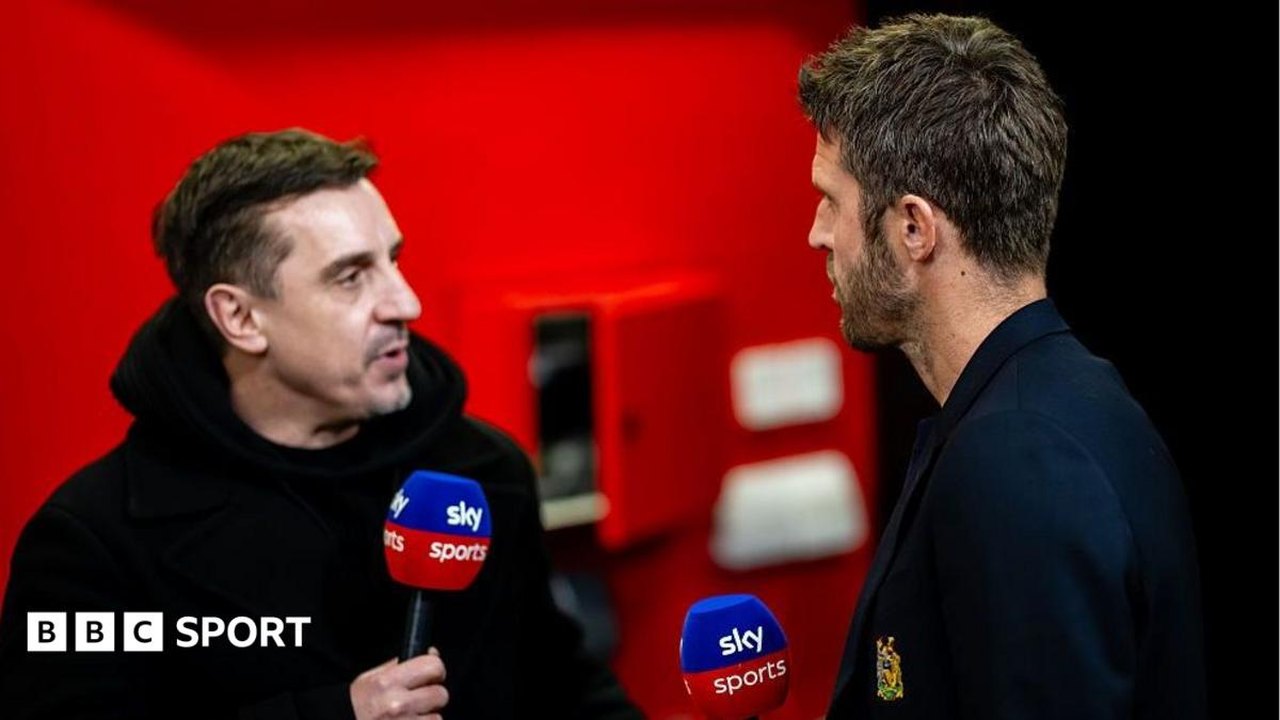
Image: BBC Sport · Photo source · Resized and letterboxed to 16:9; no AI generation
Summary
Former Manchester United players such as Gary Neville, Michael Carrick, Wayne Rooney and others have built a sprawling network of podcasts, YouTube channels and social‑media shows that dissect every United result. Their analysis, often critical, now rivals the club’s own communications and shapes fan opinion across the globe.
The Rise of Ex‑Players as Content Powerhouses
- Gary Neville launched *The Overlap* in 2021; the video‑podcast platform now reaches millions and includes the *Stick to United* show with Rooney and Mark Goldbridge.
- Mark Goldbridge (real name Brent di Cesare) runs a suite of United‑focused channels with over 3.7 million subscribers, delivering daily “watch‑along” streams and viral rants.
- Paul Scholes and Nicky Butt host *The Good, The Bad & The Football* podcast, where they freely speculate on players and tactics.
- Roy Keane and Rio Ferdinand also appear on various podcasts, offering blunt commentary on manager Erik ten Hag’s decisions.
How the Coverage Works
- Live‑match watch‑alongs – ex‑players stream games, pausing for analysis and jokes, creating a second‑screen experience for fans.
- Post‑match podcasts – immediate debriefs, often within hours of the final whistle, allow former stars to set the narrative before mainstream media catch up.
- Cross‑platform promotion – channels share clips on TikTok, Instagram Reels and Twitter, amplifying reach beyond traditional football audiences.
Impact on the Club and Supporters
- Fan perception – The constant stream of opinion can shape how supporters interpret a 3‑0 loss to Bournemouth or a 2‑0 derby win, sometimes outweighing official club statements.
- Player psychology – Ten Hag has admitted that the “noise” from former players can affect squad morale, though he also acknowledges their potential to be helpful.
- Commercial angle – United’s global brand benefits from the extra exposure; the club’s merchandise even bears the slogan “hated, adored, never ignored”.
Verifying the Claims
- Check the original podcasts (e.g., *The Overlap* episodes dated 24 April 2024) on YouTube or Spotify.
- Look for statements from Erik ten Hag in reputable outlets such as *The Athletic*.
- Compare view counts and subscriber numbers on the official YouTube channels to confirm the scale of the audience.
What This Means for the Future
If ex‑players continue to dominate the conversation, United may need to engage directly with these platforms, either by collaborating on official content or by managing the narrative through their own media team. Until then, fans should expect a relentless flow of analysis that blurs the line between club communication and independent commentary.
--- *All information is drawn from BBC Sport’s article “How talking about Man Utd’s cycle of doom became an industry” and publicly available podcast episodes.*
AI-assisted reporting; source claims are attributed and have not been independently verified.
More to read
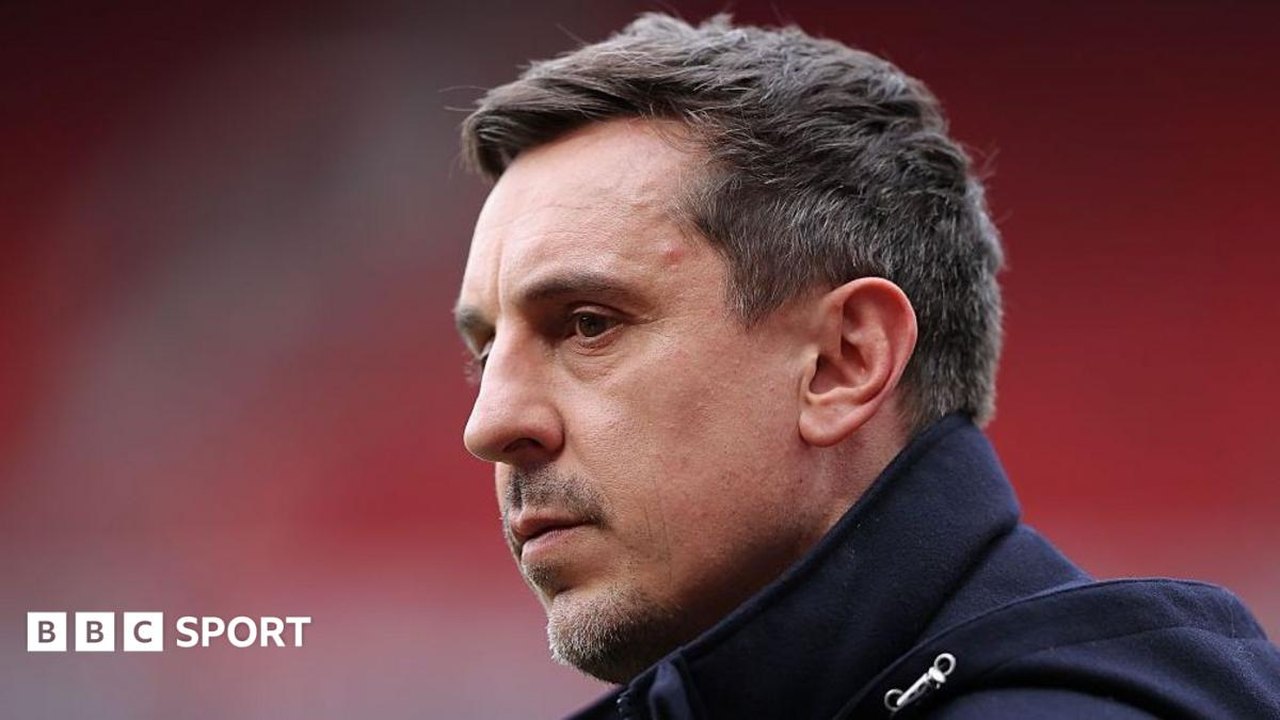 Pundits vs. Players: The Debate Over Ex-Manchester United Stars and Criticism
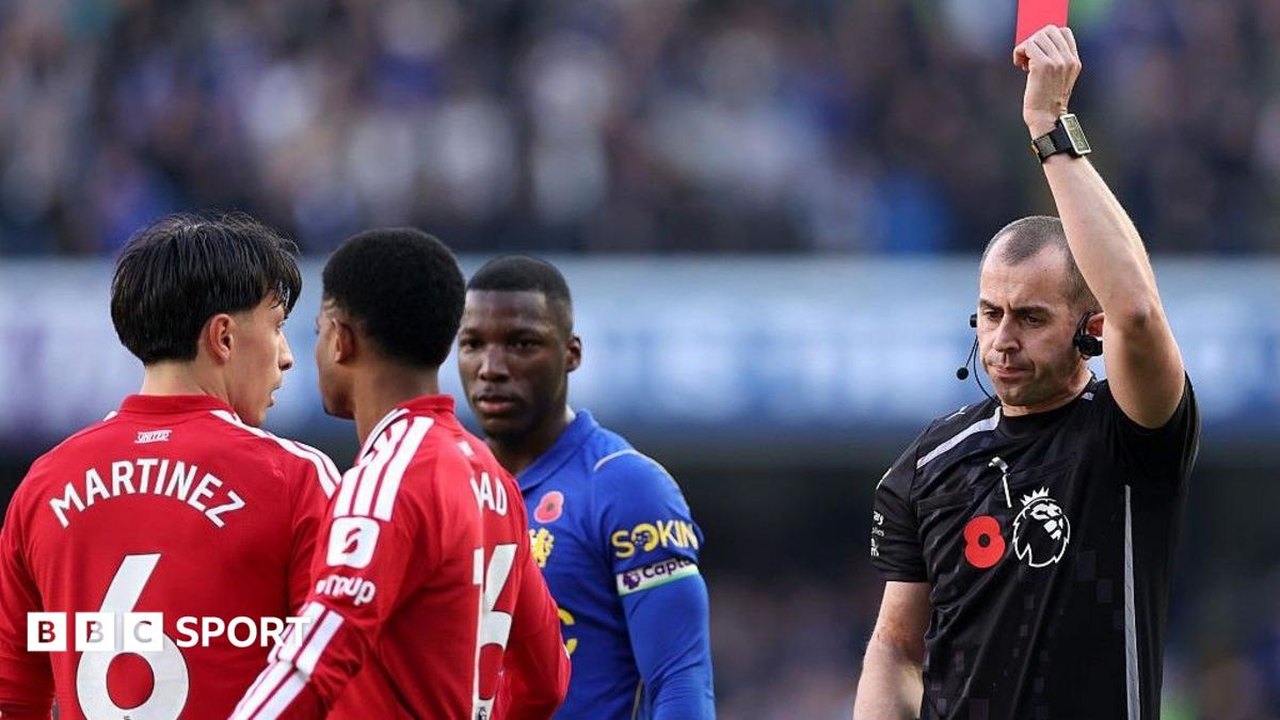 Lisandro Martinez's Quick Red Card Deepens Manchester United's Struggles Under Michael Carrick
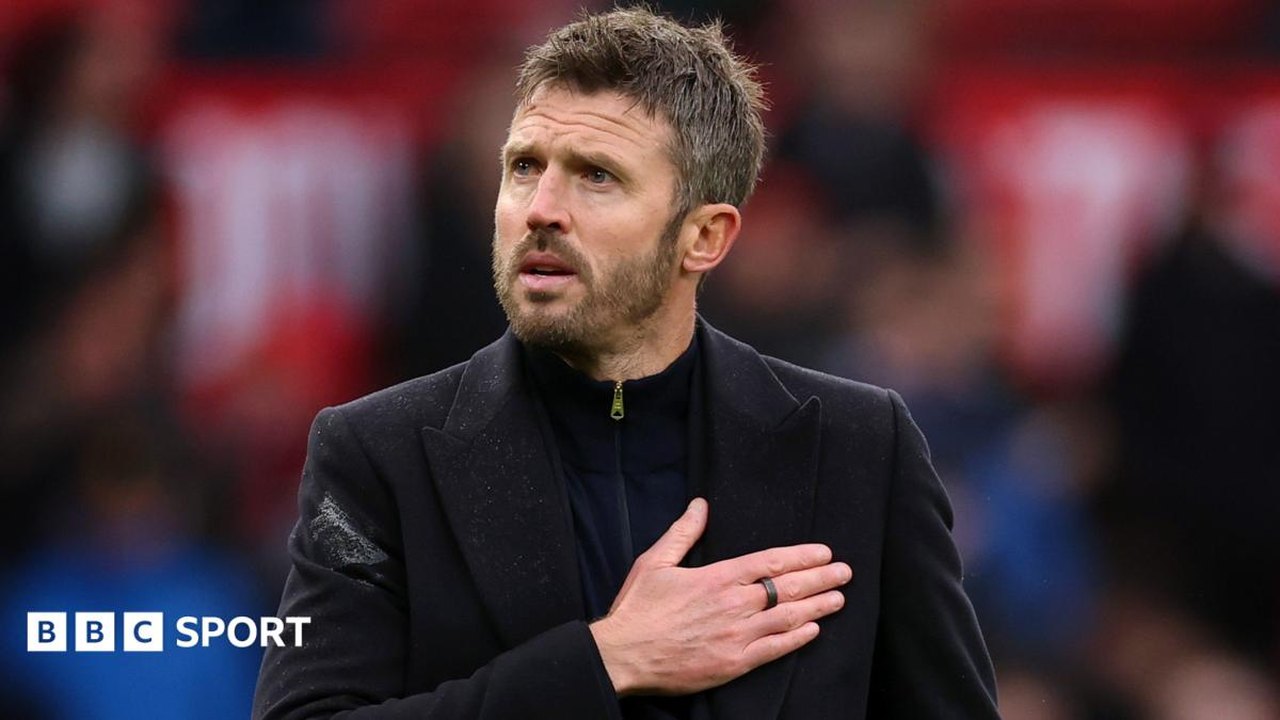 Manchester United Retains Michael Carrick Amidst Ongoing Club Turbulence
 24 Hour Fitness Announces New 'Founders Club' Facility Opening in Summerlin in Early 2027
Trending on GlobeWire Daily
Selected from recent coverage and related topics; not live search rankings.
 Madhya Pradesh Government Plans Revenue Generation from 117-Year-Old Edward Villa in Mumbai Through Leasing
 iPhone 18 Pro Named TechRadar Product of the Year 2026
 Google Project Suncatcher Runs Gemma 4 AI on Orbiting Satellite and Receives First Response
 Gender Disparities in Eye Care Access Across India Examined
 Satellite Images Show Cyclone Arnab Weakening Over India As New System Brews
 Expanding Green and Blue Spaces Crucial for India's Economic and Public Health, Reports Indicate