Jimmy Lang: The Pioneer Recognized as Football's First Cross-Border Professional
· GlobeWire Daily Sports Desk · Source: www.bbc.co.uk
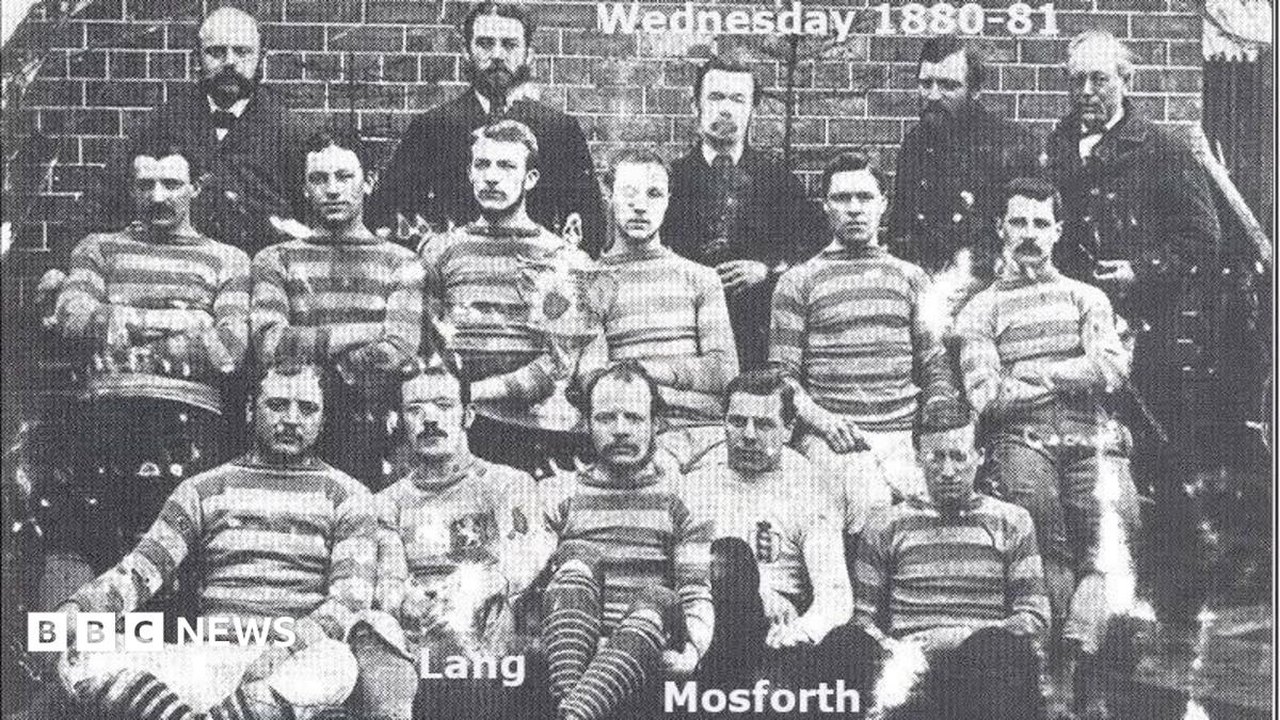
Image: BBC News · Photo source · Resized and letterboxed to 16:9; no AI generation
A Legacy Recognized
A new blue plaque in Sheffield is set to commemorate James 'Jimmy' Lang, a figure historians identify as the world's first migrant professional footballer. Moving from Scotland to England in 1876, Lang’s transition marked a pivotal moment in the transition of football from a strictly amateur pursuit to a professional endeavor.
The Journey from Glasgow to Sheffield
Born in Lennoxtown in 1851 and raised in the Gorbals, Lang worked at a shipyard on the River Clyde before relocating to Sheffield. His move was orchestrated by Walter Fearnehough, vice-chairman of The Wednesday (now Sheffield Wednesday). While Lang was officially employed at a knife-making firm owned by Fearnehough, historians note his primary role was to bolster the football club’s squad.
Why Lang is Historically Significant
According to football historian Stephen T Wood, Lang’s significance lies in his status as the first player to move his entire life and family across borders specifically to earn a living through the game.
- Early Career: Lang played for Scottish clubs including Eastern, Third Lanark, and Clydesdale, appearing in the first-ever Scottish Cup final in 1874.
- Professionalism: Unlike players who received 'off-the-books' payments, Lang’s move involved a relocation of his household, signaling the advent of a new era of professional commitment.
- Career Trajectory: After his time at The Wednesday, Lang played for clubs in Lancashire and Cheshire before eventually returning to Scotland. He passed away in 1929 at the age of 78.
Verification and Legacy
The blue plaque unveiling, scheduled for this coming Saturday, highlights his role in the evolution of the sport. Interested readers can follow developments via local Sheffield historical societies or the Sheffield Home of Football charity. Confirming details of historical records can be done through the Scottish Football Museum archives or the Sheffield Wednesday historical records.
AI-assisted reporting; source claims are attributed and have not been independently verified.
More to read
 Cardio Partners Recognized by American Red Cross for Training One Million Students in CPR, AED, and First Aid
 Juan Mata Announces Retirement from Professional Football at 38
 Scottish Professional Football League Considers Ending Saturday 3pm TV Blackout
 Lithuanian Forest Foragers Link Solitary Mushroom Gathering to Cross-Border Trade