Astronomers Identify Potential New Dwarf Planet in Our Solar System
· GlobeWire Daily Tech Desk · Source: www.wired.com
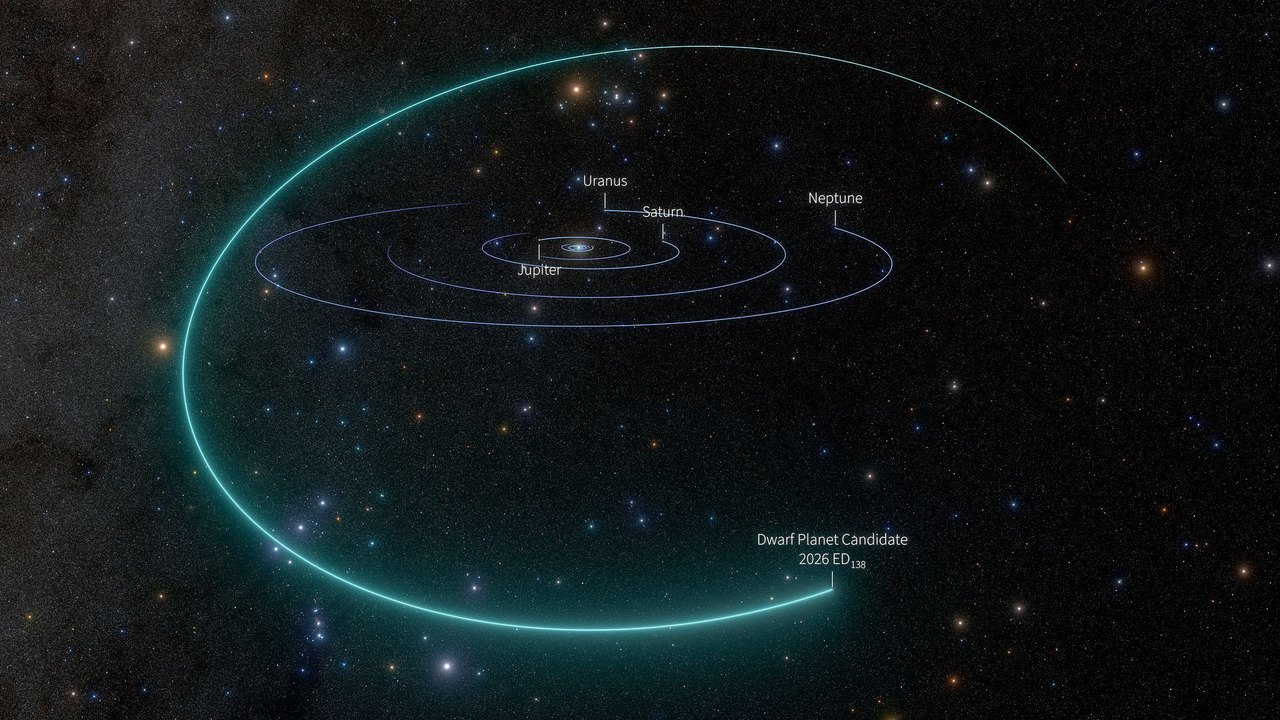
Image: Jorge Garay · Photo source · Resized and letterboxed to 16:9; no AI generation
Astronomers using the Vera C. Rubin Observatory in Chile have located a potential new dwarf planet, provisionally named 2026 ED138. While scientists are on the verge of confirming its status, further observations and precise measurements are still required before official classification can be established.
Matthew Holman, a researcher at the Harvard-Smithsonian Center for Astrophysics and a member of the observatory’s operations team, identified the object on October 13 while analyzing data collected by Rubin in 2026. A subsequent search through archived records dating back to 2016 allowed the team to reconstruct more than a decade of the object's trajectory.
Key Details About 2026 ED138
- Estimated Size: Measures between 600 and 1,500 kilometers in diameter.
- Location: Situated about 46 astronomical units from the sun, placing it among trans-Neptunian objects.
- Visibility Challenge: The object was previously hidden because its position lies against the dense stellar disk of the Milky Way.
Understanding Dwarf Planets
Unlike major planets that have cleared their orbits of other comparable bodies, dwarf planets coexist with other objects in their traversed regions. This distinction is what led to Pluto's reclassification in 2006.
To confirm 2026 ED138 as a dwarf planet, astronomers must determine its size and mass more precisely to establish whether its gravity is sufficient to shape it into a nearly spherical form. If confirmed, it would join recognized dwarf planets such as Ceres, Pluto, Haumea, Makemake, and Eris. Other candidates under ongoing study include Gonggong, Quaoar, Sedna, and Orcus.
Verification and Practical Implications
Confirming distant objects remains challenging due to extreme distances, which complicate direct physical measurements. Researchers often rely on archival data analysis and advanced telescopic surveys. Readers interested in verifying developments regarding 2026 ED138 can monitor updates from the International Astronomical Union and publications from the Vera C. Rubin Observatory.
AI-assisted reporting; source claims are attributed and have not been independently verified.
More to read
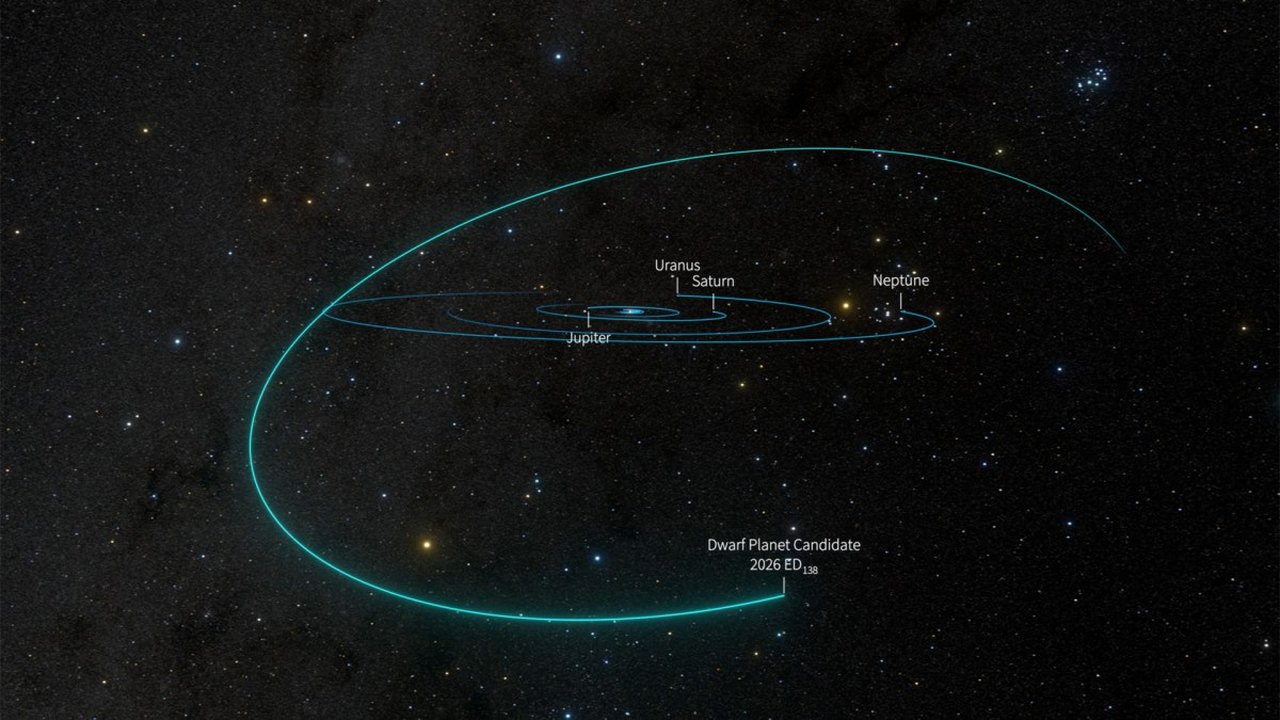 Researchers May Have Discovered the 6th Dwarf Planet Candidate ED138
 TCL Donates Solar-Powered Ultra-Low-Power Display System to Senegal's Université Amadou Mahtar Mbow
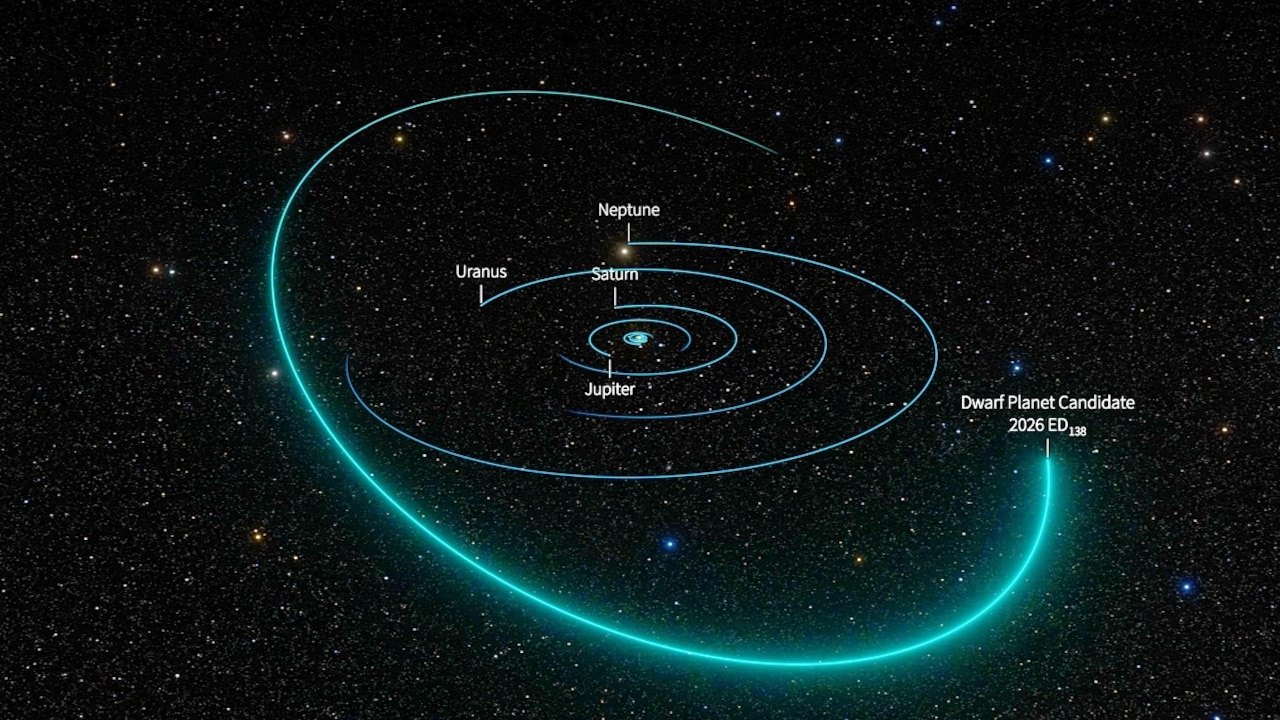 Astronomers Identify Large Trans-Neptunian Object 2026 ED138 Beyond Pluto
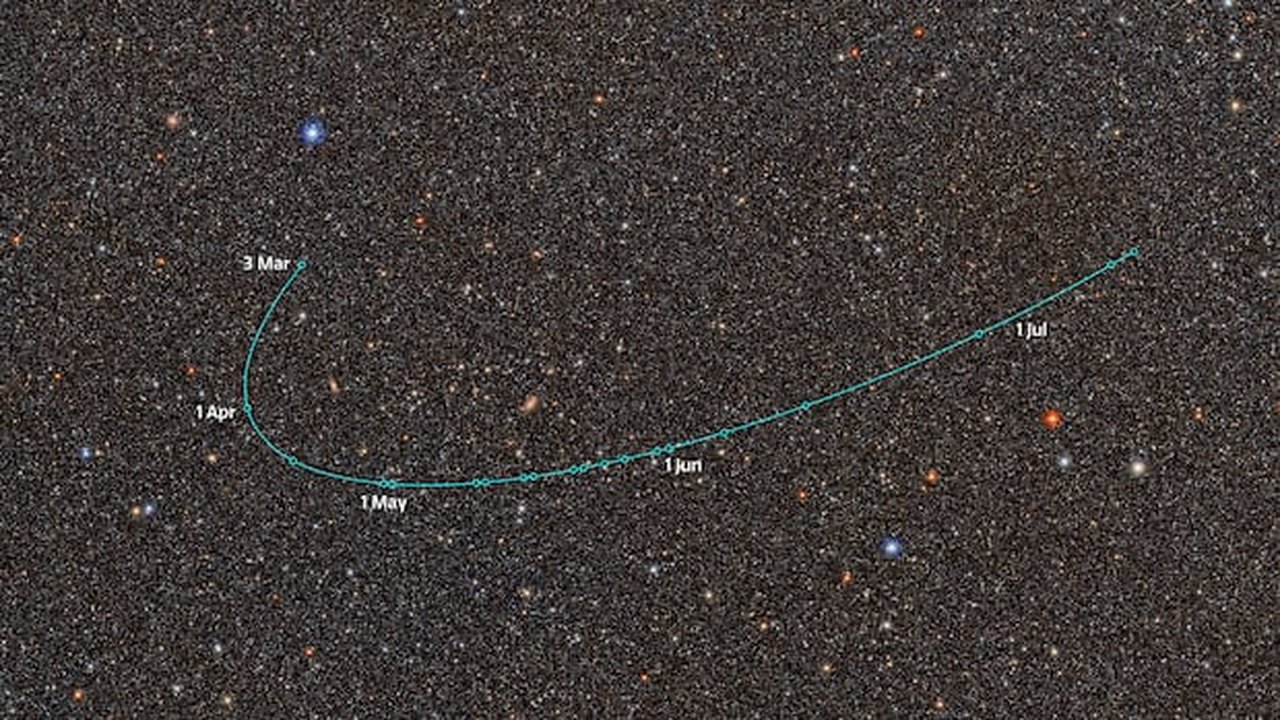 New Vera C. Rubin Telescope Spots Icy Candidate Beyond Pluto That Could Become a Dwarf Planet
Trending on GlobeWire Daily
Selected from recent coverage and related topics; not live search rankings.
 Madhya Pradesh Government Plans Revenue Generation from 117-Year-Old Edward Villa in Mumbai Through Leasing
 iPhone 18 Pro Named TechRadar Product of the Year 2026
 Google Project Suncatcher Runs Gemma 4 AI on Orbiting Satellite and Receives First Response
 Gender Disparities in Eye Care Access Across India Examined
 Satellite Images Show Cyclone Arnab Weakening Over India As New System Brews
 Expanding Green and Blue Spaces Crucial for India's Economic and Public Health, Reports Indicate