COP31 Climate Conference Ends Without Signature Agreement Following Clashes Over Fossil Fuels and Finance
· GlobeWire Daily Editorial Desk · Source: abcnews.com
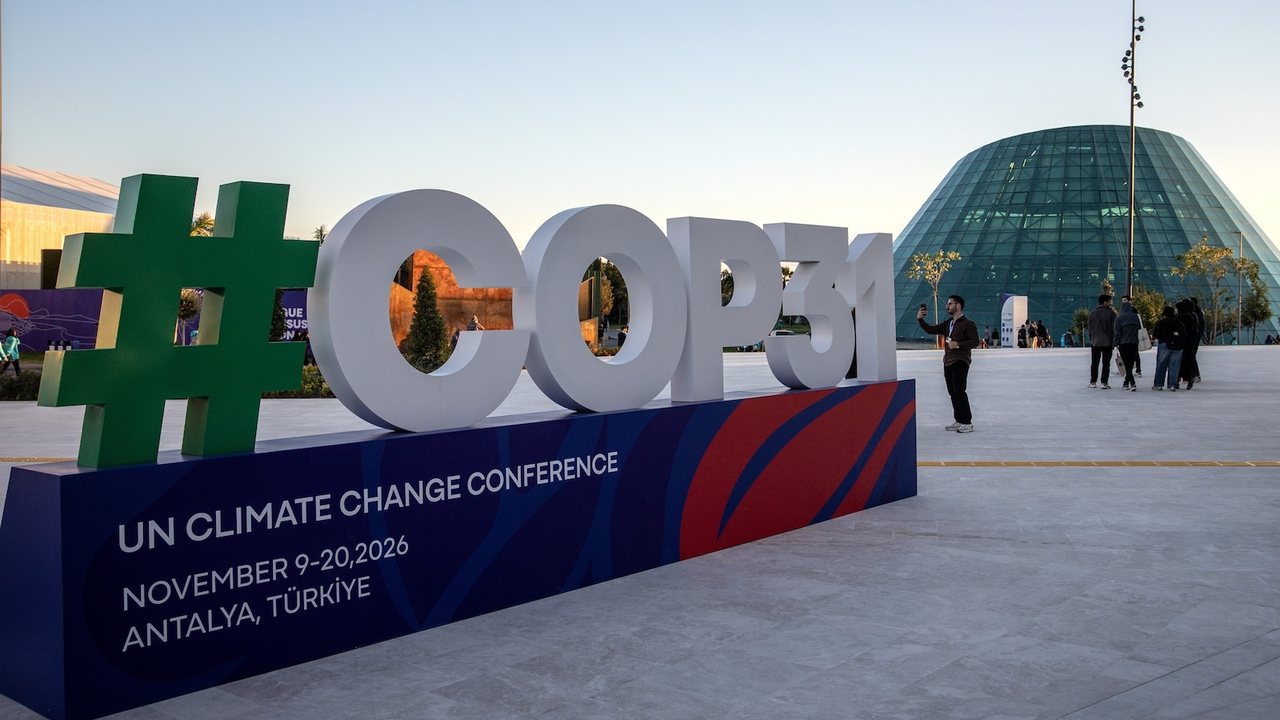
The annual U.N. climate conference, COP31, concluded in Antalya, Turkey, without reaching a consensus on its overarching cover decision after nearly 200 participating countries failed to agree on key issues including fossil fuels and climate finance. Negotiations extended past the scheduled two-week conclusion following multiple drafts and late-night talks, but objections from various nations and blocs ultimately blocked the final text.
Key Disagreements and Omissions
- Fossil Fuel Omission: The final proposed draft contained no references to coal, oil, or natural gas, nor did it include a call to phase out fossil fuel use. A first draft had previously featured language on an immediate transition away from fossil fuels, but reports noted this was removed after opposition from several oil-producing nations.
- Finance Concerns: Delegates from the European Union, the United Kingdom, and several Global South nations and island states criticized the lack of concrete climate finance commitments, arguing that proposed adaptation funding was insufficient and arriving too slowly.
- Carbon Capture and Storage: The inclusion of carbon capture, utilization, and storage (CCUS) drew objections from countries like Vanuatu, which argued it was being used in place of emission elimination, while Saudi Arabia defended its inclusion as one of necessary solutions.
Areas of Support and Next Steps
While the primary cover decision failed, other agenda items on technical matters were passed, and initiatives like the voluntary 35-by-35 Global Electrification Pledge—aiming for electricity to account for 35% of global energy consumption by 2035—found broad support among at least 75 countries, though some debated the lack of strict renewable mandates.
Because U.N. climate summits operate on consensus rather than majority vote, objections from the European Union and allied nations prevented adoption. Participating countries plan to continue discussions at COP32, scheduled to be held in Addis Ababa, Ethiopia, from November 8 to 19, 2027.
Practical Implications and Verification
Observers can verify the outcomes of COP31 through official United Nations Framework Convention on Climate Change (UNFCCC) announcements and documentation. The failure to secure a signature cover agreement leaves broad strategic frameworks on fossil fuel transitions unfinalized, maintaining current national policies until future negotiating rounds.