Data Centers and Water Use: Separating Myths from the Numbers
· GlobeWire Daily Tech Desk · Source: www.techradar.com

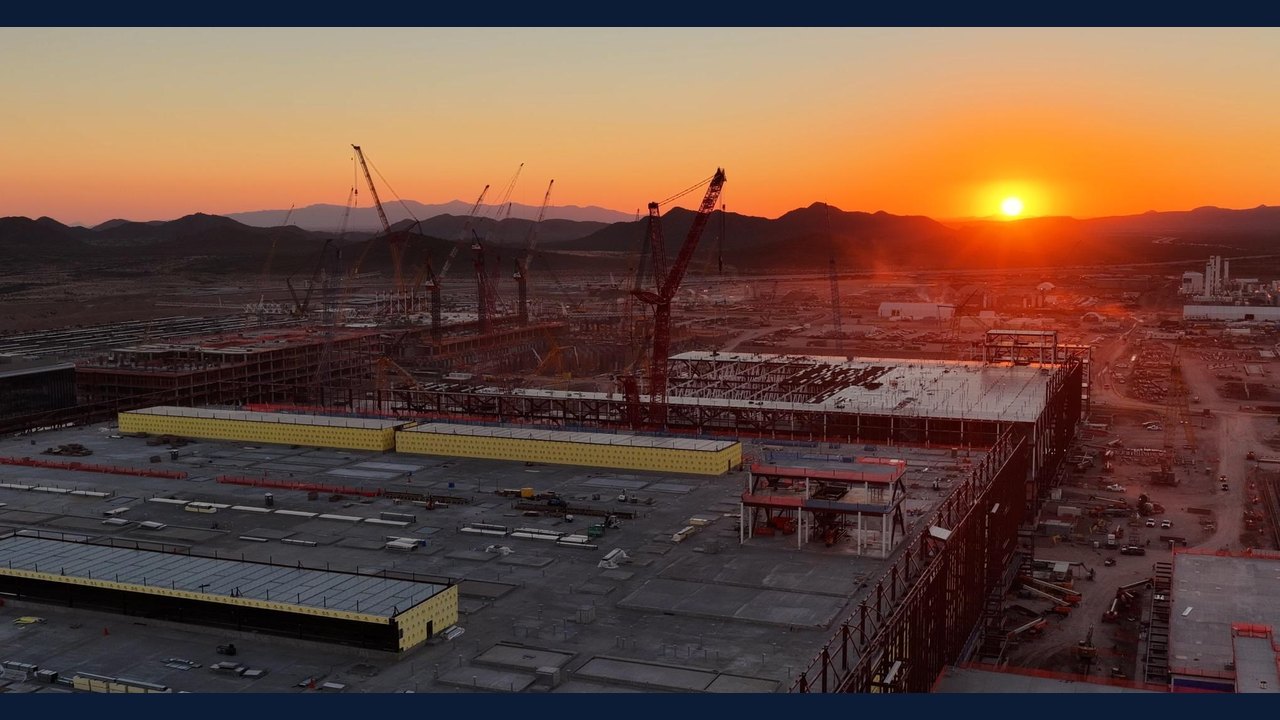
Image: TechRadar · Photo source · Resized and letterboxed to 16:9; no AI generation
As public debate intensifies around the rapid expansion of artificial intelligence infrastructure, reports highlight growing scrutiny over how much water data centers consume. From claims about individual AI prompts to local utility concerns, accurate figures are essential to understanding the actual environmental footprint of these facilities.
Understanding the Water Estimates
Public discussions often reference the widely cited estimate that every ChatGPT conversation consumes a bottle of water. However, reported research clarifies that this figure was a calculated estimate from public data rather than a direct meter reading. Subsequent analyses, including evaluations by researchers and Google regarding newer models like Gemini, indicate significantly lower consumption rates per prompt, though credible estimates continue to vary widely based on model design, location, and cooling methods.
Key Factors in Water Consumption
- Cooling Architecture: Facility designs vary significantly. For instance, reports indicate wide disparities in annual water use between different sites operated by the same company, driven largely by local climate and cooling technology.
- Withdrawal vs. Consumption: Industry experts emphasize a distinction between water withdrawal (taking water from a source and potentially returning it, sometimes at a higher temperature) and water consumption (where water is evaporated and removed from the immediate source).
- National vs. Local Impact: While national data indicates that data centers account for a small percentage of total public water supply compared to agriculture or commercial recreation, local impacts can be substantial when a high-capacity facility is established in a small municipality.
Mitigation and Future Regulations
To address environmental concerns, major technology companies including Microsoft, Google, and Amazon have announced targets to replenish more water than they consume by 2030. Additionally, regulatory frameworks such as the European Union's reporting requirements for larger facilities aim to increase transparency. Experts note that standardized, independently verifiable reporting on water withdrawals and consumption will be crucial for building community trust and guiding future infrastructure siting.
AI-assisted reporting; source claims are attributed and have not been independently verified.
More to read
 Arizona's Water Crisis Sparks Fierce Backlash Against New Data Centers
 Rural Data Centers Prepare for New Federal Tax Benefits Under Expanded Program
 Highway Thieves Use GPS Spoofing and Hacking to Steal Millions in Data Center Cargo
 Data Centers Could Threaten US Climate Progress With Rising Fossil Fuel Demand
Trending on GlobeWire Daily
Selected from recent coverage and related topics; not live search rankings.
 Madhya Pradesh Government Plans Revenue Generation from 117-Year-Old Edward Villa in Mumbai Through Leasing
 iPhone 18 Pro Named TechRadar Product of the Year 2026
 Google Project Suncatcher Runs Gemma 4 AI on Orbiting Satellite and Receives First Response
 Gender Disparities in Eye Care Access Across India Examined
 Satellite Images Show Cyclone Arnab Weakening Over India As New System Brews
 Expanding Green and Blue Spaces Crucial for India's Economic and Public Health, Reports Indicate