Financing Space Data Centers Faces Unique Collateral Challenges for Chips
· GlobeWire Daily Editorial Desk · Source: techcrunch.com
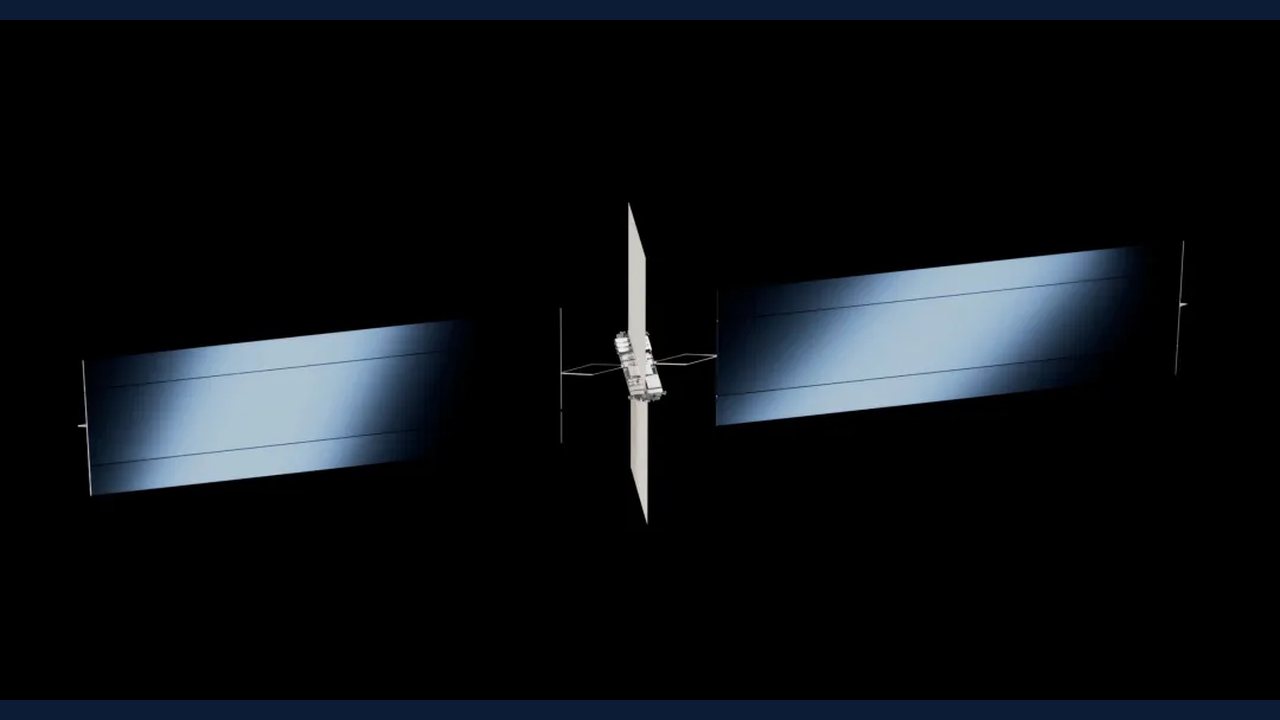
Building data centers in space involves technical hurdles and a shortage of suitable rockets, but a major question remains around how companies will finance the specialized chips required for orbit.
The Role of Chip Collateral in Financing
Traditional terrestrial data center ecosystems rely heavily on debt financing. Cloud providers typically borrow funds to construct facilities and repay loans using a portion of their revenue. These agreements often use the computing chips themselves as collateral. If a data center defaults, lenders can repossess and resell the chips to recoup losses. According to Compute Credit Index Research, older chips retain significant resale value, such as certain H100s selling for about half their original 2023 cost basis, and specific H200 configurations maintaining their introductory prices from 2024.
Risks of Orbiting Collateral
Repossessing physical hardware from a satellite orbiting 300 miles above Earth at 17,500 miles per hour is impractical. Consequently, reports indicate that lenders involved in SpaceX's $40 billion chip financing deal requested that none of the acquired chips be used for orbital data center plans, though it remains unconfirmed if this provision was ultimately accepted.
Terrestrial Focus and Rocket Development
SpaceX has found success deploying compute resources at terrestrial ground stations. CEO Elon Musk detailed efforts to accelerate this ground-based build-out by deploying rocket engineers to tackle manufacturing challenges. However, broader terrestrial projects still face hurdles regarding land acquisition, power availability, market demand, and revenue conversion.
While Musk expressed a belief in early 2026 that space could become the cheapest environment for operating data centers within two to three years, achieving this depends heavily on achieving full reusability for the Starship rocket. During a recent flight test, SpaceX successfully landed the orbital stage at its Texas facility but failed to recover the booster stage. Timelines and costs for preparing the orbital stage for subsequent flights remain uncertain.
Industry Implications and Alternatives
- Higher Financing Costs: Space-focused ventures like SpaceX, StarCloud, Cowboy Space Corporation, Sophia Space, and Orbital may face higher chip acquisition costs due to the inability to use orbital hardware as reliable loan collateral.
- Alternative Approaches: Google is pursuing its own space deployment strategy using TPU chips through Project Suncatcher. Meanwhile, SpaceX and Tesla plan to build a domestic foundry called Terafab, though the project has not yet broken ground and requires years of development and significant capital.
Practical Verification
To verify original details regarding corporate financing arrangements, readers should consult primary financial reporting, official statements from SpaceX, and corporate earnings call transcripts.