Super-Hot Rock Geothermal Startups Aim to Power Future Data Centers
· GlobeWire Daily Editorial Desk · Source: techcrunch.com
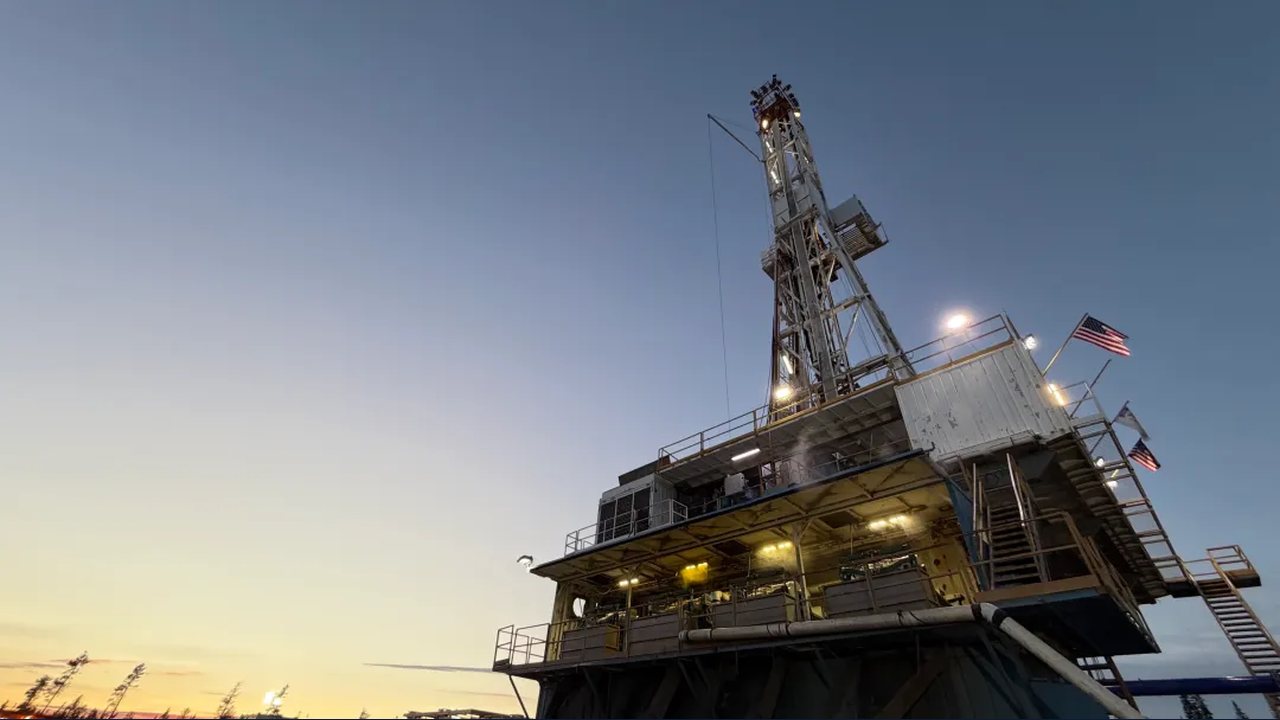
Recent developments in super-hot rock geothermal energy highlight efforts by startups to tap extreme depths for massive power generation, potentially supporting the growing energy demands of AI data centers.
The Promise of Super-Hot Rock Geothermal
Enhanced geothermal techniques have gained renewed attention from investors, technology companies, and policymakers. While basic geothermal technology has existed for decades, advances in drilling adapted from the oil and gas sector have expanded its potential. According to industry estimates, the U.S. possesses significant generating capacity potential from geothermal sources.
Super-hot rock geothermal relies on conditions found at extreme depths. As water approaches the Earth's superheated core, high temperatures and pressures convert ordinary water into a supercritical fluid capable of carrying substantial energy. Industry reports indicate a single well could theoretically generate 15 megawatts or more of electricity.
Recent Industry Announcements
Several startups have reported progress in developing and testing technologies designed to make super-hot rock extraction commercially viable:
- Quaise Energy: Announced an agreement with Google, in which the technology giant committed over $500 million to secure 50 megawatts of power from a planned project in central Oregon targeting depths of three miles.
- Mazama Energy: Announced a drilling-cooling technology called Carbon Chill, utilizing carbon dioxide instead of water-based mud to maintain drill head integrity at high temperatures.
- XGS Energy: Received a Department of Energy grant to develop and refine materials, well designs, and models to improve operational reliability at extreme depths.
Technological Approaches and Risks
Companies are pursuing distinct engineering strategies to overcome the challenges of extreme heat and pressure:
- Quaise plans to use millimeter-wave radiation powered by a gyrotron to vaporize rock starting at depths of about 2.5 miles, avoiding the wear associated with traditional metal drill bits.
- Mazama uses supercritical carbon dioxide to cool conventional drill bits and remove drill cuttings during operations.
While early results—such as reported faster drilling times—suggest potential, new geothermal techniques carry inherent technical and financial risks as they progress toward commercial reality.
How to Verify Original Announcements
To verify original claims and announcements, interested parties can review official press releases from the Department of Energy, corporate announcements from participating companies like Google, Quaise, and Mazama, and financial filings regarding venture capital investments.
More to read
 Clicks Communicator Launch Delayed Until January Due to Component Shortage
 Google Announces Plans to Retire Nest App and Speaker Assistant by 2027
 Motorola 'Moto Tag 3' Spotted in European Retail Listings with Familiar Specs
 Google Assistant Scheduled to End on Smart Speakers and Displays in August 2027