The Quest for Artificial Dexterity: Will Robotic Hands Change the Future of Work?
· GlobeWire Daily Editorial Desk · Source: www.theguardian.com
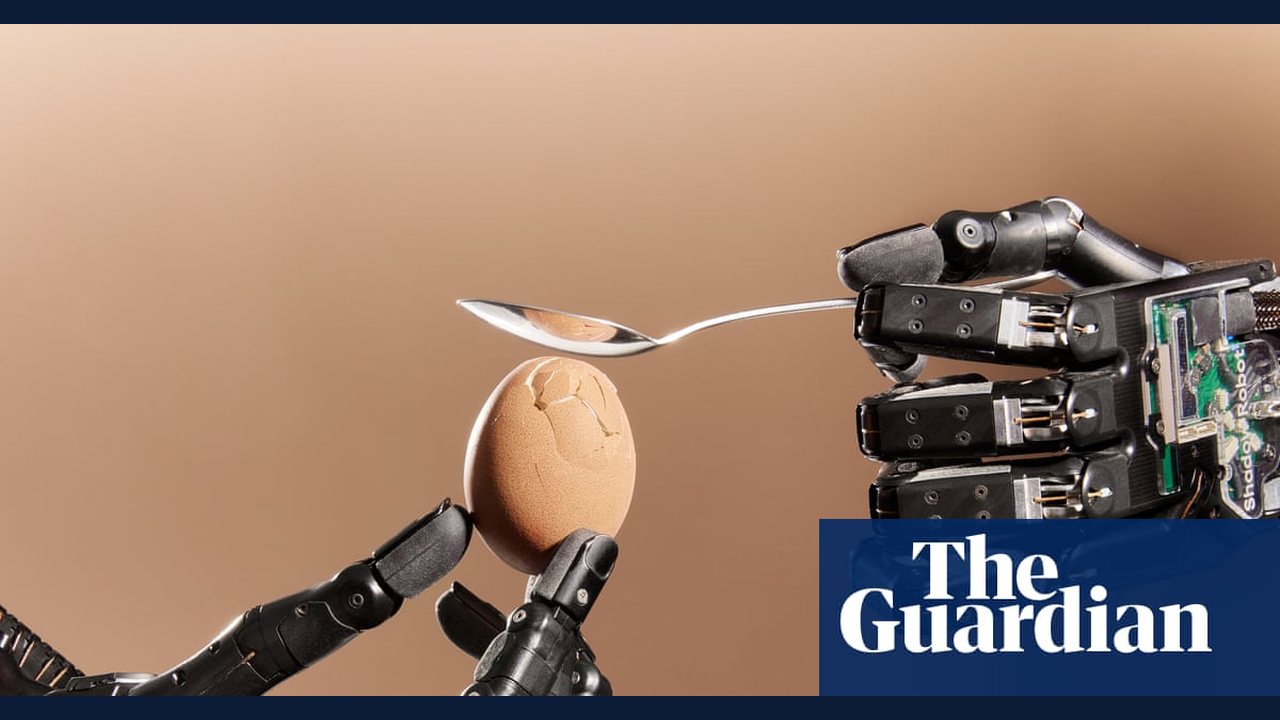
Replicating the intricate mechanics of the human hand remains one of the most significant challenges in modern robotics and artificial intelligence. While industrial automation has successfully transformed repetitive factory tasks, engineering a robotic hand capable of matching human dexterity—balancing both sensory feedback and motor control—has proven exceptionally difficult.
Experts explain that human hands combine anatomical complexity, including 27 bones alongside sensitive nerves and receptors, with advanced cognitive processing in the brain. This feedback loop allows humans to instantly calibrate grip strength, handle delicate items like raspberries, and adapt to changing environments. Replicating this biological interplay through hardware and software is a major focus for developers worldwide.
Companies such as Shadow Robot in London and researchers working with platforms like Google DeepMind are advancing robotic hands through teleoperation and machine learning. Meanwhile, global investments in robotics are accelerating, particularly in countries like China, where state funding and growing manufacturing sectors are driving down costs and increasing the availability of dexterous robotic hands.
Despite these advancements, fully autonomous, human-level dexterity is not yet mainstream. Current robotic hands often require specialized programming, significant investment, or human guidance to master complex tasks. While developers debate the timeline for when machines might rival human adaptability in everyday settings, the evolution of artificial dexterity continues to raise critical questions about the future of manual labor and automated workplaces.
Key Developments in Robotic Dexterity
- Anatomical Challenges: Replicating the sensory feedback, tactile receptors, and precise grip of a human hand remains a complex engineering hurdle.
- Learning Models: Researchers utilize machine learning and teleoperation—where human operators guide robot movements via sensor gloves—to train robotic systems.
- Market Expansion: A growing number of international manufacturers are producing dexterous robotic hands, expanding options for research, medical technology, and industrial automation.
Verifying Announcements and Practical Implications
To verify claims regarding advancements in robotics, readers should consult peer-reviewed research papers from academic robotics laboratories, official technical disclosures from developers like Google DeepMind or Shadow Robot, and independent industry analyses. While fully automated manual labor is not yet widespread, businesses and workers are monitoring how these technologies might eventually influence logistics, manufacturing, and specialised trades.
More to read
 Clicks Communicator Launch Delayed Until January Due to Component Shortage
 Google Announces Plans to Retire Nest App and Speaker Assistant by 2027
 Motorola 'Moto Tag 3' Spotted in European Retail Listings with Familiar Specs
 Google Assistant Scheduled to End on Smart Speakers and Displays in August 2027