Over 35,000 Grok-Built Apps Exposed Online, Some Leaking Confidential Data and Passwords
· GlobeWire Daily Editorial Desk · Source: thehackernews.com
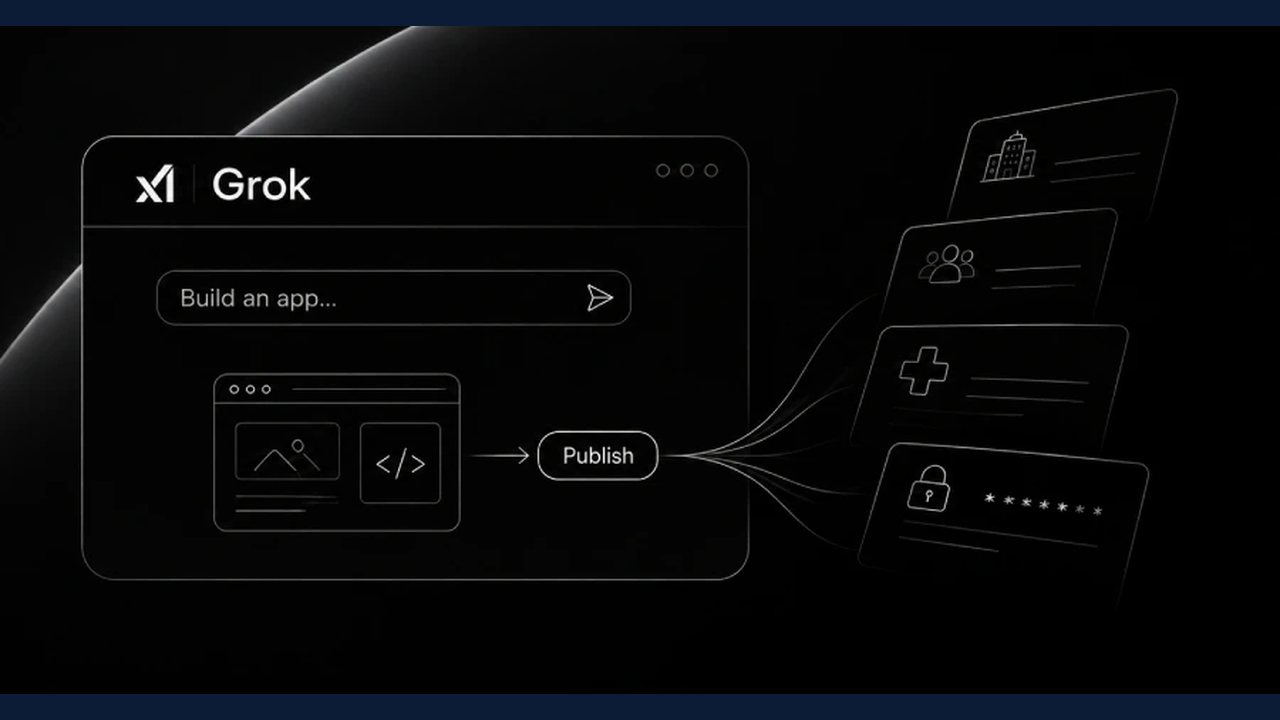
Security researchers reported that out of 37,571 applications built using Grok and discovered online, 35,578 were accessible without requiring authentication. The exposed applications included 24 built by staff members at X and SpaceXSI, the maker of Grok. While the majority of these open applications were simple games, landing pages, and calculators, researchers estimated that approximately 2% contained high-risk or critical material, including internal business records, personal data, and credentials.
Findings and Exposed Data
- Staff Applications: Discovered staff apps included a confidential onboarding plan for a sales hire, a sales territory map of 594 accounts, and an X advertising proposal addressed to a U.S. federal agency.
- Organization Data: Researchers identified internal data from 30 other organizations spanning construction, energy, healthcare, and defense, including 26 employers with over 1,000 staff members and 6 Fortune 500 companies.
- Sensitive Examples: Exposed records featured a hospital group's searchable employee list, an intensive care patient briefing, a live fire department shift board, and a contractor timesheet containing plain-text passwords.
How the Exposure Occurred
According to the report, Grok enables users to generate working applications from descriptions entered into its chat interface. Published applications are hosted on individual subdomains of `grok.me`.
- Default Settings: Researchers noted that the publishing interface selected "Anyone with the link" by default in the paid account they tested.
- DNS Discoverability: Because visiting an app triggers a DNS lookup, passive DNS services record these queries, allowing researchers to find app subdomains through pattern searches and common discovery methods.
- Testing Observations: In tests conducted on their own created applications, researchers found that default configurations allowed unauthenticated access and that generated authentication logic sometimes failed to properly restrict users.
Response and Verification
Researchers reported their findings to SpaceXSI via its security.txt contact mechanism. While SpaceXSI removed the 24 staff apps, it reportedly did not take down other users' apps or confirm plans to contact affected organizations directly. Researchers have begun independently emailing affected entities and recommend that organizations audit their AI app usage, inspect passive DNS logs, verify access settings, and test authentication boundaries.