The Real Reason Electrical Plug Prongs Have Holes
· GlobeWire Daily Tech Desk · Source: www.engadget.com
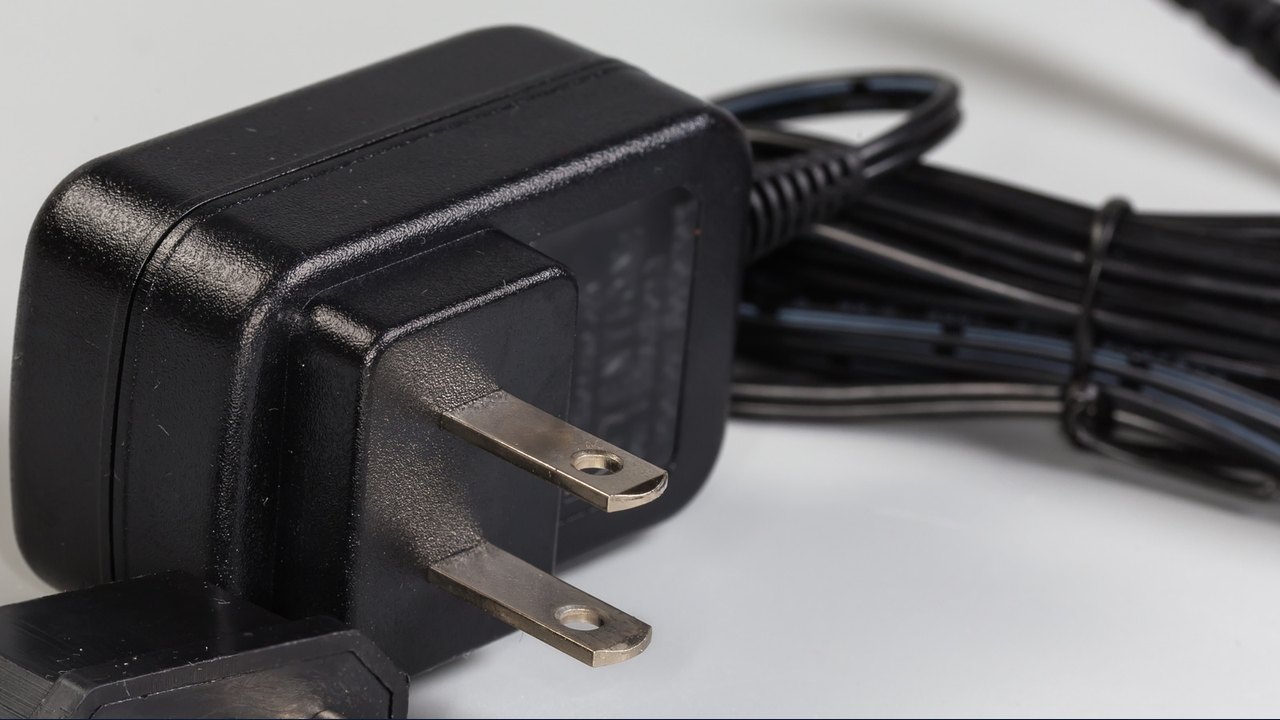
Image: Engadget · Photo source · Resized and letterboxed to 16:9; no AI generation
Understanding the Design of Electrical Plugs
Many household electrical plugs feature small holes near the tips of their metal prongs. While various popular theories suggest these openings serve a daily function in standard wall outlets, technical reports indicate their primary role is tied to manufacturing and historical design standards.
Manufacturing and Production Benefits
According to industry documentation, the holes are primarily utilized during the production process:
- Alignment: Workers or automated systems can pass alignment rods through the holes to hold the metal blades in position.
- Molding: Keeping the blades steady is essential before plastic insulation is molded around the assembly.
- Lockout Tags: The openings can serve as safety locking mechanisms during specific phases of industrial handling.
While these features assist factories ranging from standard appliance production to modern smart home devices, not every manufacturer uses the exact same assembly process.
Historical Context: Outlet Gripping
A widely shared explanation claims the holes help wall outlets grip the plug securely. According to the National Electrical Manufacturers Association (NEMA), this concept has roots in older designs:
- Detent Mechanism: Historically, some receptacles featured a small raised bump designed to click into the prong hole to help retain the plug.
- Standard Changes: Underwriters Laboratories (UL) later updated standards, requiring receptacles to hold plugs securely without relying on the holes. These revisions also regulated how much force is required to pull a plug out.
Because the internal detent mechanism became obsolete in modern wall outlets, most manufacturers phased out the matching raised features. However, the holes in the prongs remained, becoming largely optional.
Practical Implications for Consumers
For everyday users, the presence or absence of holes does not affect basic functionality or safety:
- Compatibility: Solid, hole-free blades make electrical contact just as effectively in appropriate outlets.
- Outlet Wear: If a plug slides out too easily, the issue is typically wear and tear within the wall receptacle rather than the plug prongs.
- Do Not Modify: Consumers should never attempt to drill holes into solid prongs, as this is unnecessary and potentially unsafe.
To verify original design standards and safety guidelines, consumers can consult documentation from organizations like NEMA and Underwriters Laboratories (UL), or review appliance manufacturer manuals.
AI-assisted reporting; source claims are attributed and have not been independently verified.
More to read
 Boost Your Productivity: 4 Essential Microsoft Teams Features to Try
 Slate vs. Ford Fathom EV Trucks: A Contrast in Infotainment Strategy
 How to Watch The Gilded Age Season 4 Online: Streaming Options and Release Dates
 Why Your AirPods Battery Drains Fast and How to Fix It
Trending on GlobeWire Daily
Selected from recent coverage and related topics; not live search rankings.
 Road to Glory: ICC U19 Women’s T20 World Cup 2027 Preview
 2026 ICC Women's T20I Challenge Trophy: Tournament Overview and Participating Nations
 Thailand Claims Victory in ICC Women's Emerging Nations Trophy 2025
 Ellyse Perry Highlights Special Significance of Australia's T20 World Cup Triumph
 ICC Women's Cricket World Cup 2025 Sets New Digital Records Following Memorable Tournament
 ICC Women's Championship Updates and Qualifier Action Highlights