Sikkim Tourism Highlights: Natural Heritage and Cultural Landscapes
· GlobeWire Daily Editorial Desk · Source: www.incredibleindia.gov.in
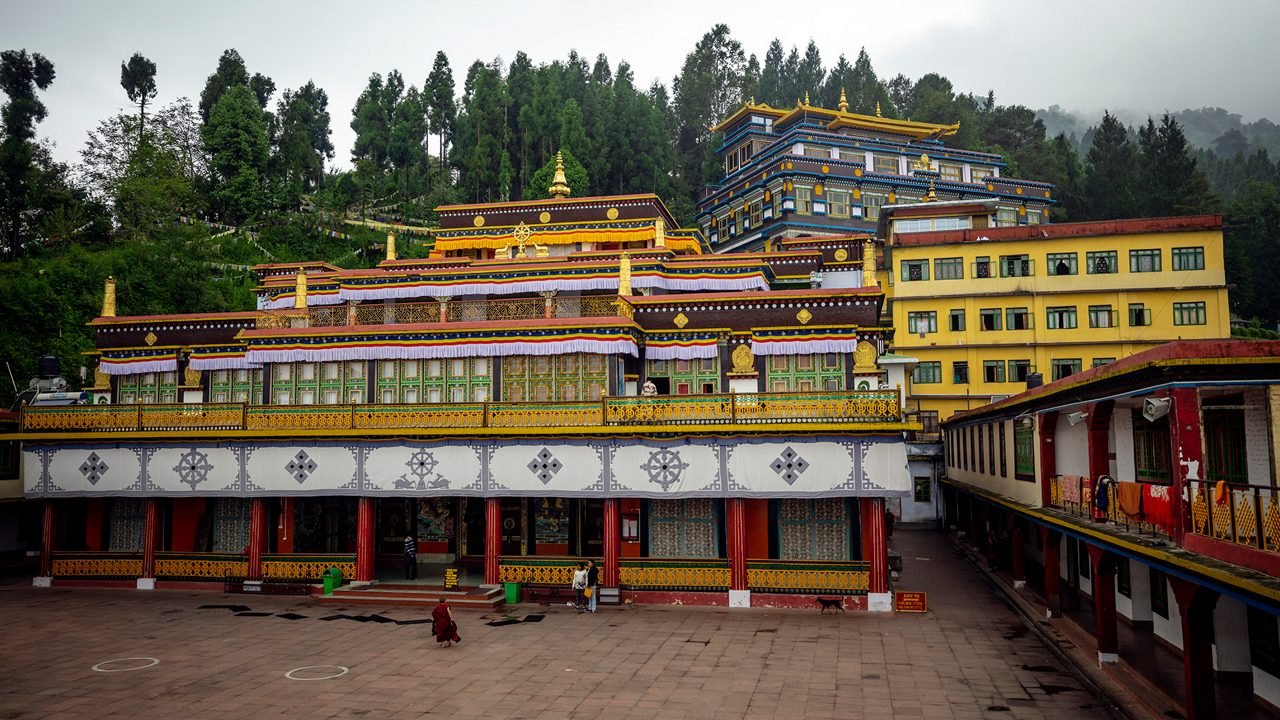
Image: Incredible India · Photo source · Resized and letterboxed to 16:9; no AI generation
Overview of Sikkim's Natural and Cultural Landscape
Sikkim, situated within the Eastern Himalayas, is recognized for its diverse topography and cultural heritage. The state acts as a hub for both nature tourism and spiritual retreats, offering access to high-altitude landscapes and historical sites.
Heritage and Spiritual Sites
Sikkim hosts several landmarks that provide insight into the region's historical and religious evolution:
- Dubdi Monastery: Recognized as the first monastery of its kind in the state, located in Yuksom.
- Rabdentse Ruins: The site of the former royal capital, offering panoramic views of the Khang-chen-Dzonga range.
- Pemayangtse Monastery: One of the oldest monasteries, noted for its association with the Nyingma Sect and traditional wooden craftsmanship.
- Siddheswar Dham: A pilgrimage site featuring a 108-foot statue of Lord Shiva.
Natural Attractions and Conservation
The state emphasizes environmental preservation, famously maintaining a prohibition on plastic water bottles. Key natural features include:
- Lakes: Tsomgo Lake (12,000 ft), Menmecho Lake (12,500 ft), and the boat-friendly Lampokari Lake in Aritar.
- Thermal Springs: Various sulphur-rich hot springs, including Yumthang, Yume Samdong, Reshi, Borong, and Ralong, are utilized for their purported curative properties.
- National Parks: Kanchenjunga National Park, a UNESCO World Heritage Site, protects the region surrounding the Kanchenjunga Peak.
Cultural Traditions
Sikkim’s calendar includes a variety of festivals reflecting its multicultural demographics, such as:
- Regional New Year Celebrations: Sonam Lochar, Losar, and the Sikkimese New Year (Losoong/Namsoong).
- Spiritual and Cultural Festivals: Saga Dawa, Maghe Sankranti, Pang Lhabsol, and Sakewa.
Culinary Profile
Local cuisine is characterized by a blend of Tibetan, Nepali, and Lepcha influences, focusing on organic ingredients such as Ningro (fermented fern), bamboo shoots, and wild lilies. Preparation methods typically prioritize boiling and steaming over heavy spice usage.
Verification Note
Details regarding tourism attractions and cultural events in Sikkim are managed through the official Incredible India portal. Travellers are advised to verify specific travel guidelines and site accessibility directly through the official state tourism department or at https://www.incredibleindia.gov.in/en/sikkim.
AI-assisted reporting; source claims are attributed and have not been independently verified.
More to read
 Examining Cultural Heritage and Tourism Resources in Nagaland
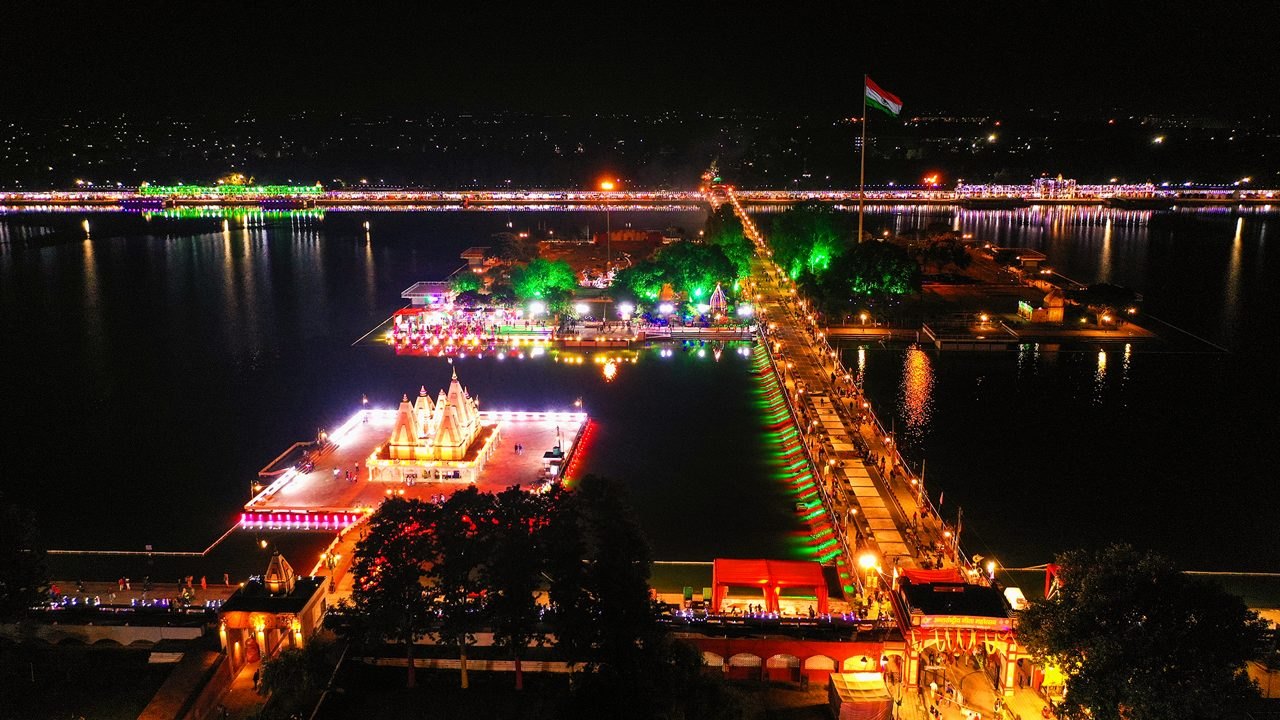 Exploring Haryana's Cultural Heritage, Biodiversity, and Tourism Offerings
 Nagaland State Profile: Overview of Governance and Cultural Heritage
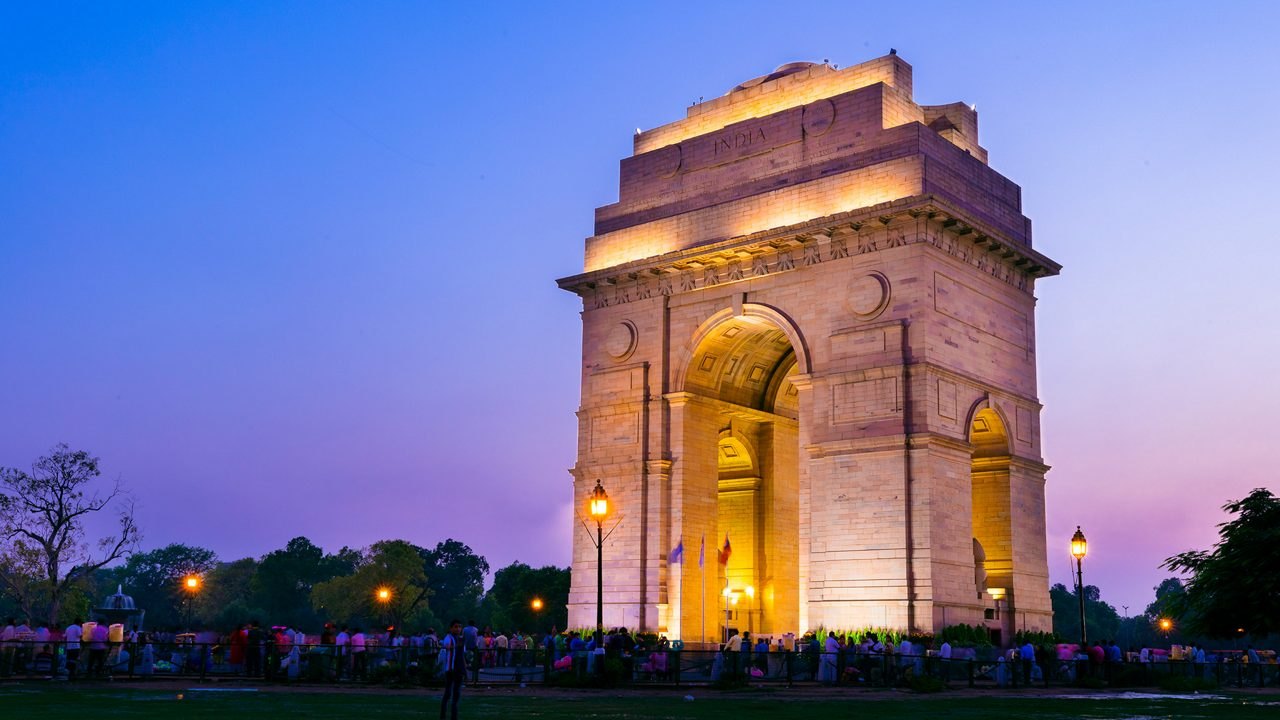 Exploring the Cultural and Historical Heritage of Delhi
Related coverage
Related reporting available at publication.
Examining Cultural Heritage and Tourism Resources in NagalandExploring Haryana's Cultural Heritage, Biodiversity, and Tourism OfferingsNagaland State Profile: Overview of Governance and Cultural HeritageExploring the Cultural and Historical Heritage of Delhi Telangana Recognized as Best Diverse Tourism Destination at IITM 2026
 Kukrail Proposed as Lucknow's New Eco-Tourism and Night Safari Destination