What Is Overtourism? Causes, Impacts, and How Destinations Are Responding
· GlobeWire Daily Travel Desk · Source: www.nationalgeographic.com
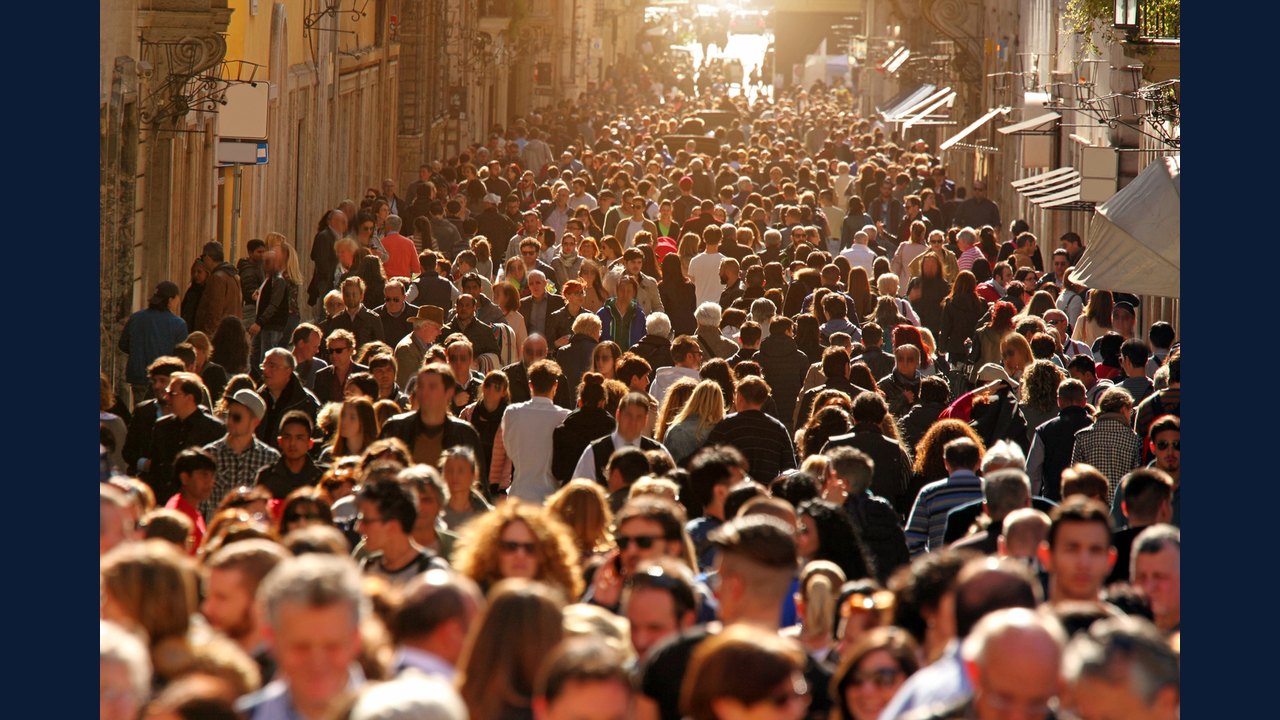
Image: Travel · Photo source · Resized and letterboxed to 16:9; no AI generation
As global visitor numbers return toward pre-pandemic levels, the issue of overtourism has resurfaced, prompting protests, local regulations, and new management strategies across various popular destinations.
Understanding Overtourism
Overtourism refers to an accumulation of economic, social, and environmental pressures caused by too many people visiting a specific place at any given time. While there is no definitive numerical threshold, factors such as escalating living costs, environmental degradation, strained infrastructure, and community displacement indicate when a destination is overwhelmed.
- Environmental Impacts: Coral reefs, such as the Great Barrier Reef and Thailand's Maya Bay, have faced degradation from tourist activities like snorkeling and anchoring. Furthermore, United Nations World Tourism Organisation (UNWTO) data indicates that transport-related carbon emissions from tourism are projected to grow.
- Social Pressures: Residents in various cities and towns have expressed frustration over rising house prices, landlords evicting long-term renters in favor of holiday lets, and excessive noise or crowding.
Local Protests and Responses
Communities and local authorities are implementing diverse measures to manage visitor numbers:
- Hallstatt, Austria: Around 100 residents of the village staged a protest in August, calling for a visitor cap and a curfew on tour coaches to manage the influx of daily visitors.
- Venice, Italy: Large cruise ships exceeding 25,000 tonnes were banned from the Giudecca Canal in 2021, and the city expects to implement a €5 fee for day-trippers starting in 2024.
- Amsterdam and Rome: Amsterdam's city council voted to ban cruise ships, and the mayor commissioned a discouragement campaign targeting specific disruptive visitors. Meanwhile, Rome restricted sitting at popular locations like the Trevi Fountain and Spanish Steps.
- Other Destinations: Measures range from Marseille's voluntary coach limits near the basilica to Orkney's proposed ship restrictions and Maasai Mara's increased peak park fees and fines for off-roading.
Expert Insights and Future Projections
According to the UNWTO, international tourist arrivals rebounded significantly following pandemic-era drops, with global tourism expected to approach pre-pandemic levels. Experts emphasize that social media concentrates tourism into specific hotspots.
Justin Francis, co-founder and CEO of Responsible Travel, noted that social media exacerbates the issue by concentrating visitors into finite spaces, highlighting the need to consult local populations. Harold Goodwin, emeritus professor at Manchester Metropolitan University, emphasized that managing crowds requires analyzing the underlying causes of conflicting behaviors and crowding.
Potential Solutions
Experts and industry organizations suggest several ways to mitigate overtourism, including promoting off-season travel, supporting sustainable tourism initiatives, encouraging visits to less-frequented destinations, and establishing clear local strategies in consultation with residents.
AI-assisted reporting; source claims are attributed and have not been independently verified.
More to read
 Understanding Climate Change: Causes, Impacts, and Global Action
 Readers Share Favourite European Wellbeing Breaks and Spa Destinations
 How US Politics and Global Threats are Impacting International Travel
 Top Destinations for Solo Female Travellers in 2026