Trump Administration Proposes Ending H-1B Visa Deference: What It Means for Applicants
· GlobeWire Daily Editorial Desk · Source: timesofindia.indiatimes.com
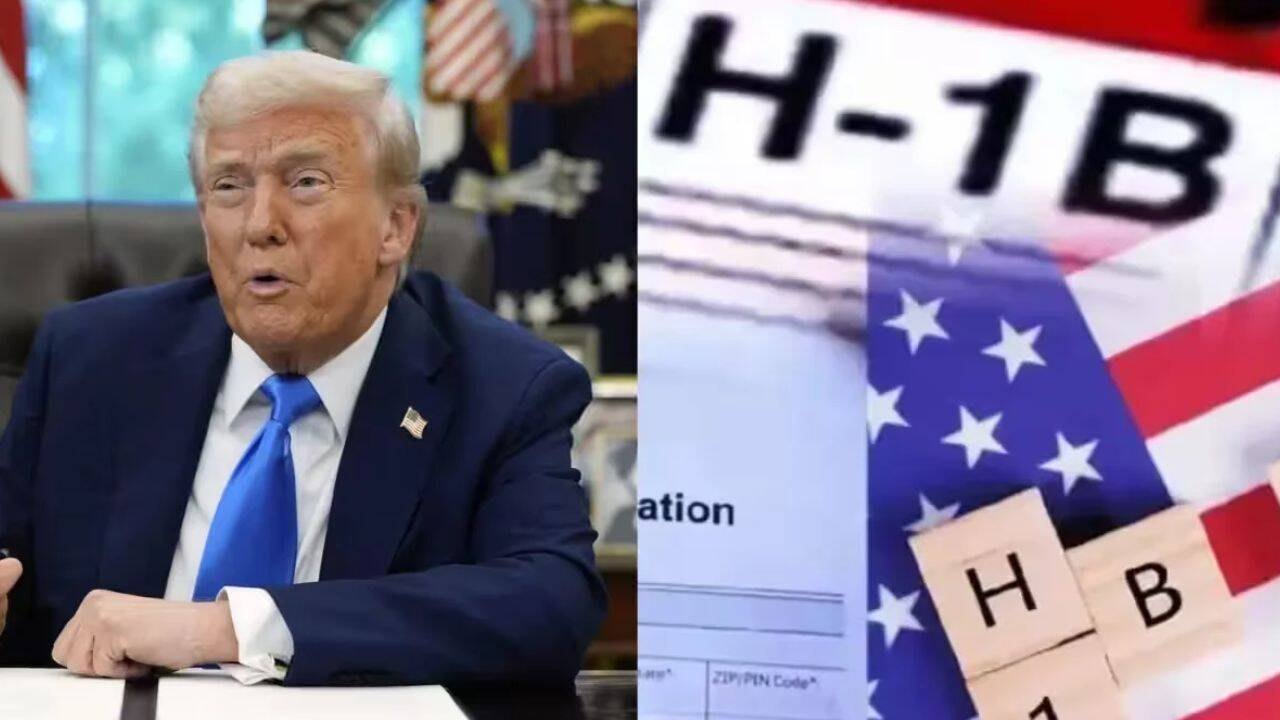
Image: The Times of India · Photo source · Resized and letterboxed to 16:9; no AI generation
The US Department of Homeland Security (DHS) and US Citizenship and Immigration Services (USCIS) have published a proposal to remove the immigration policy known as “deference to prior approvals.” Currently, this policy requires immigration officers to give weight to previous favorable decisions when reviewing extension petitions involving the same employer, worker, and underlying facts, unless specific exceptions apply.
Overview of the Proposed Change
Published on October 14, the proposal is not yet a final rule and remains open for public comments until November 13, 2026. Interested parties may submit feedback through the federal rulemaking portal under DHS Docket No. USCIS-2026-0529. Current rules remain fully in effect until a final rule is published and implemented.
Potential Practical Implications
If finalized, the rule would alter how extension applications are reviewed rather than automatically changing base eligibility requirements or green card queue positions. According to USCIS data, Indian nationals accounted for about 70 percent of all H-1B beneficiaries in fiscal year 2025.
- Increased Scrutiny: Officers would no longer be required to begin from a position of deference, potentially leading to more requests for evidence (RFEs).
- Employer Documentation: Employers may need to submit more detailed records regarding job duties, compensation, work locations, and business operations.
- Processing Delays: Legal experts note that increased RFEs could extend pending times, adding administrative costs and uncertainty for applicants awaiting permanent residency.
AI-assisted reporting; source claims are attributed and have not been independently verified.
More to read
 Australia Implements New Biometric Requirements for Indian Visa Applicants
 Australia's Antisemitism Envoy Proposes Visa Review Measures and Face-Covering Bans
 Australia Expands Biometric Requirements for Visa Applicants in India
 Report: Trump Administration Supported Half of US Coal Plants with Funds and Regulatory Relief
Trending on GlobeWire Daily
Selected from recent coverage and related topics; not live search rankings.
 Madhya Pradesh Government Plans Revenue Generation from 117-Year-Old Edward Villa in Mumbai Through Leasing
 iPhone 18 Pro Named TechRadar Product of the Year 2026
 Google Project Suncatcher Runs Gemma 4 AI on Orbiting Satellite and Receives First Response
 Gender Disparities in Eye Care Access Across India Examined
 Satellite Images Show Cyclone Arnab Weakening Over India As New System Brews
 Expanding Green and Blue Spaces Crucial for India's Economic and Public Health, Reports Indicate