Armenia's Independent Press Faces Financial Shock and Punitive Legal Pressures
· GlobeWire Daily Editorial Desk · Source: hetq.am
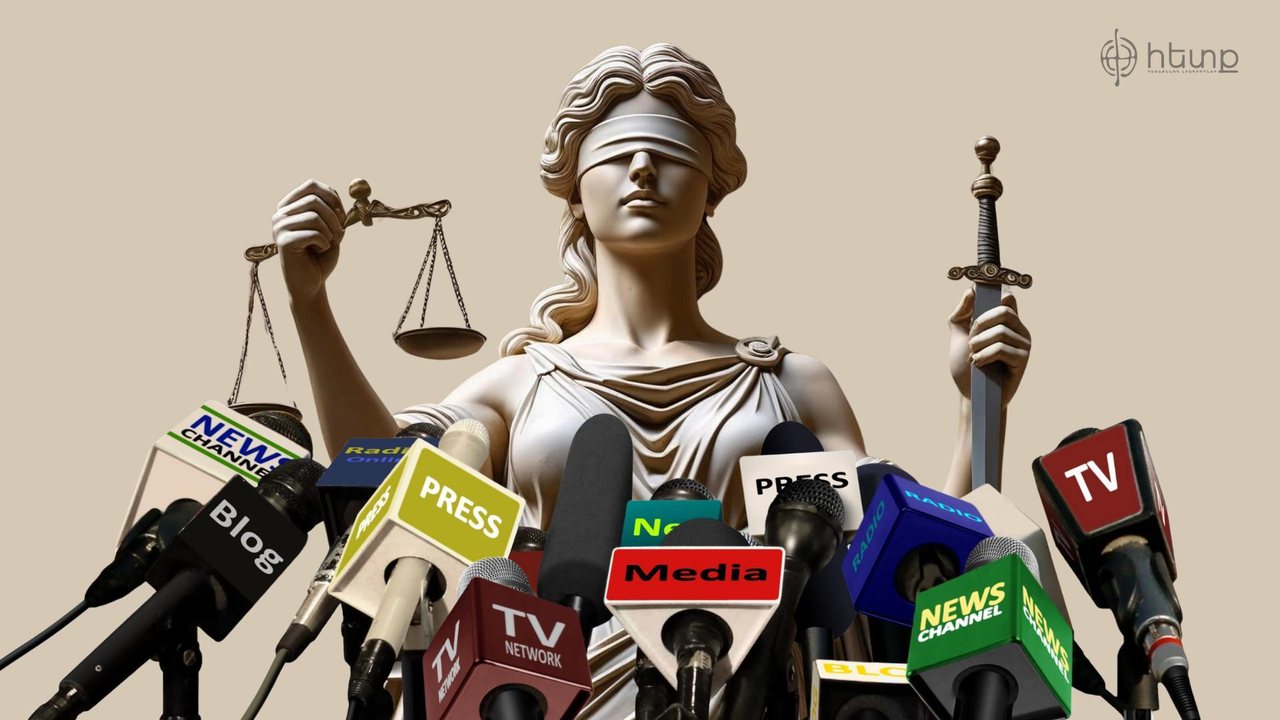
Independent journalism in Armenia faces severe operational challenges following the abrupt cessation of United States foreign aid and the implementation of restrictive legal proposals, as reported by outlets including Hetq.am and Media.am.
In early 2025, the U.S. government froze foreign aid and dismantled USAID operations, terminating its five-year, $15 million Media Program in Armenia two years ahead of schedule. Implemented through Internews, the program's early conclusion cut off approximately $7.5 million in planned funding. Until March 2025, the initiative had supported 59 Armenian media outlets and trained over 330 journalists, highlighting the sector's reliance on international donor support.
Financial and Market Constraints
- Small Commercial Market: Independent digital newsrooms struggle to survive in a commercial advertising market too small to sustain them.
- Lack of Subscription Culture: Armenia lacks a widespread reader-subscription culture, leaving unaligned digital outlets with minimal local revenue fractions.
- Subsidized Competitors: Independent outlets must compete with major television broadcasters and online portals backed by political parties or oligarchic factions.
Emerging Legal Pressures
Compounding these financial hardships, Armenia’s Ministry of Justice published draft Civil Code amendments that propose mandatory minimum financial compensation of 1 million drams (roughly $2,800) for insult and 2 million drams (roughly $5,600) for defamation. According to media watchdogs, these proposals remove judicial discretion to scale damages based on a defendant's financial capacity. This follows a period in which Armenian media outlets faced $174,000 in libel and slander claims during the first half of 2025 alone.
Nine leading Armenian media watchdogs, including the Committee to Protect Freedom of Expression, the Yerevan Press Club, and the Media Initiatives Center, warned that the proposal violates European Court of Human Rights standards.
Impact on Press Freedom Rankings
According to the 2026 Reporters Without Borders (RSF) World Press Freedom Index cited by Hetq, Armenia dropped 16 places from 34th to 50th out of 180 countries, entering the "problematic" classification tier. Both RSF and Freedom House noted that political polarization, smear campaigns, and verbal hostility have fostered self-censorship, even in the absence of direct state censorship.
Verification and Practical Implications
Observers suggest that protecting media pluralism requires withdrawing defamation minimums, establishing transparent public media endowments, shifting diaspora funding toward institutional journalism, and developing domestic civic-membership models. Readers and stakeholders can verify original announcements and legislative texts directly through official Armenian government portals and reports published by accredited local press freedom organizations.
More to read
 Experts Warn Victoria Faces Electricity Supply Gap Ahead of Yallourn Power Station Closure
 Queensland LNP Government Faces Scrutiny Over Health System and Ambulance Delays
 FBI’s National Crime Information Center Faces Suspected Breach, Officials Say
 Independent Review Ordered into Hepatobiliary Surgery at NHS Grampian Following Whistleblower Revelations