As Syria-EU talks progress, diplomats fear focus will be on repatriation
· GlobeWire Daily Editorial Desk · Source: www.aljazeera.com
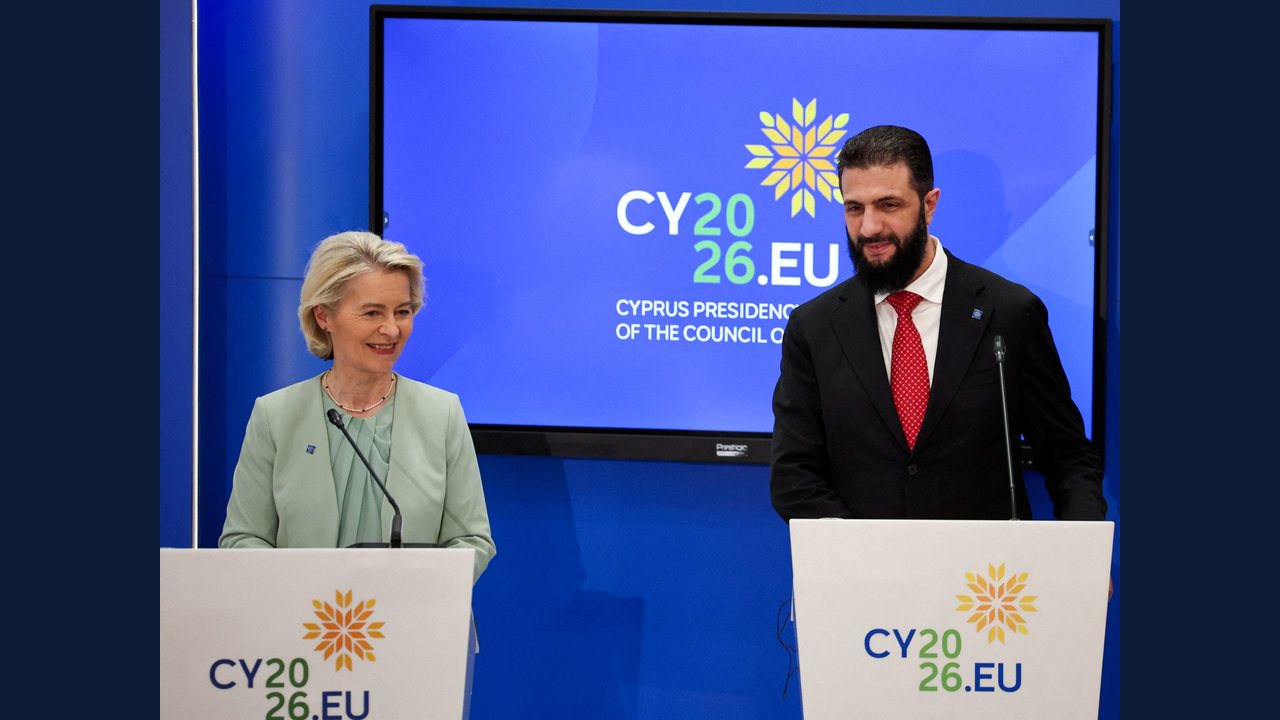
Officials from Syria and the European Union are working on a framework to normalise relations following a 15-year suspension, according to reports. However, current and former European diplomats have expressed concern that growing right-wing sentiment in Europe could cause repatriation and immigration issues to be prioritised over human rights and other critical areas.
Relations between the EU and Syria were suspended in 2011 following the crackdown on protesters under then-President Bashar al-Assad. Following the overthrow of the Assad regime and the establishment of a government led by President Ahmed al-Sharaa, efforts have resumed to build closer political and trade ties.
Key Issues in the Normalisation Talks
- Sanctions and Trade: Analysts and diplomats noted that Syria's primary focus in the ongoing discussions is the removal of remaining EU sanctions. Meanwhile, experts suggest Brussels may push to open the Syrian market to European products, though concerns remain regarding what Syrian businesses can export.
- Migration and Repatriation: Brussels remains heavily focused on the repatriation of Syrians, building on a context where more than a million people fled to Europe during the 2011–2024 conflict. Diplomatic sources told Al Jazeera that rising right-wing political influence in Europe is shaping the discourse around migration.
- Security and Energy Cooperation: Syria has sought to highlight its role in security, particularly in counterterrorism efforts against ISIL (ISIS) and as a potential energy transit route, following disruptions in the Strait of Hormuz.
Practical Implications and Challenges
Experts and humanitarian organizations have cautioned that normalisation efforts must carefully balance migration management with the ongoing realities of reconstruction in Syria.
Tariq Azeez, policy, advocacy and communications coordinator at the International Rescue Committee, noted that accelerated returns without adequate investment in basic services could strain local resources and drive instability.
Readers seeking to verify details of these diplomatic engagements can consult official statements and briefing papers published by the European External Action Service (EEAS) and announcements from the Syrian Ministry of Foreign Affairs.