Can COP31 restore confidence in global climate cooperation?
· GlobeWire Daily World Desk · Source: www.thedailystar.net

Image: The Daily Star · Photo source · Resized and letterboxed to 16:9; no AI generation
The 31st United Nations Climate Change Conference (COP31), held in Antalya, Türkiye, arrives amid significant economic and geopolitical pressures that complicate international climate cooperation. Scientific findings suggest global temperatures could exceed the 1.5 degrees Celsius threshold above pre-industrial levels within the next few years, with warming potentially reaching around 1.8 degrees Celsius even if existing plans are met. For climate-vulnerable nations like Bangladesh, negotiations encompass broader socioeconomic priorities including fiscal stability, food security, infrastructure, employment, and livelihoods.
Key Issues and Financial Gaps at COP31
- Climate Finance Shortfalls: Developing countries face a stark gap between required resources and pledged amounts. Following prior commitments at COP29 in Baku and COP30 in Belém, adaptation finance needs remain largely unmet, with public adaptation finance falling substantially below estimated requirements.
- Terms and Accessibility: Adaptation investments frequently lack commercial returns. Utilizing commercial loans for infrastructure such as coastal protection and flood management risks increasing debt burdens for developing economies.
- Loss and Damage Fund: The Fund for Responding to Loss and Damage received numerous funding requests totaling billions, while initial allocations remained significantly lower, highlighting resource constraints for vulnerable nations.
Energy Transition and Trade Competitiveness
Discussions at COP31 also focus on cleaner energy systems, energy efficiency, and methane reduction, including Türkiye's proposed voluntary 35-by-35 Global Electrification Pledge. For export-oriented sectors like readymade garments, the transition is tied to competitiveness as international buyers demand adherence to environmental standards and renewable energy use. A just transition mechanism, agreed upon at COP30, aims to balance environmental goals with economic affordability and poverty reduction.
Conclusion and Outlook
As negotiations progress, stakeholders look to whether countries can bridge gaps over finance, adaptation, loss and damage, and emissions reductions. Meaningful outcomes require sustained political will, transparent accounting, and clear implementation plans to rebuild trust in multilateral climate action.
AI-assisted reporting; source claims are attributed and have not been independently verified.
More to read
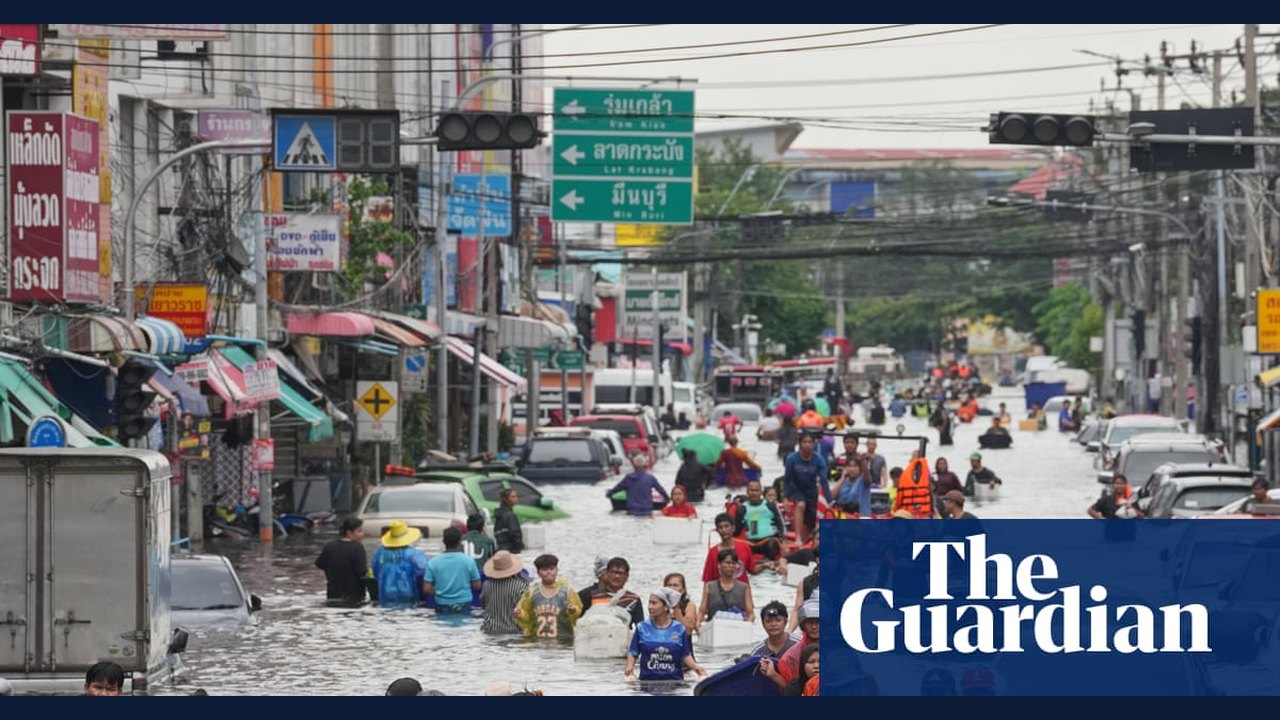 Cop31 Summit in Turkey Set to Begin Amid Global Climate Pressures and Host Calls for Tangible Progress
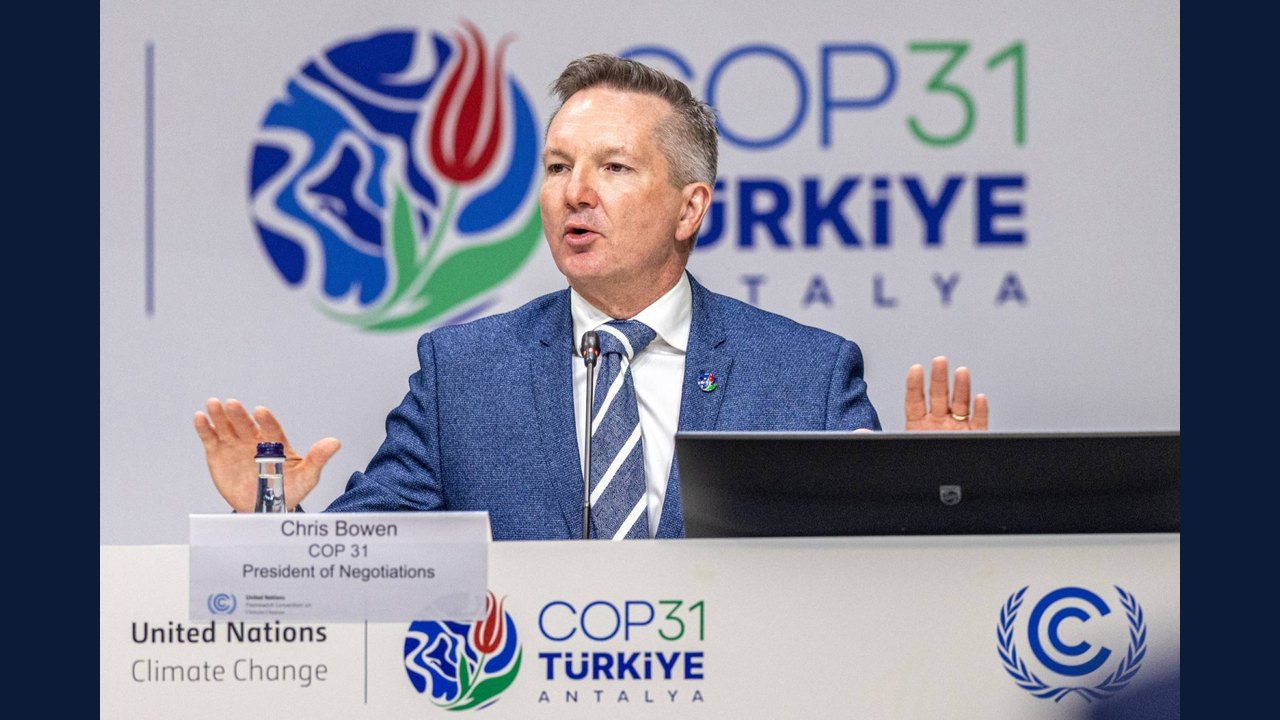 Global Electrification Target Faces Hurdles at COP31 Climate Talks
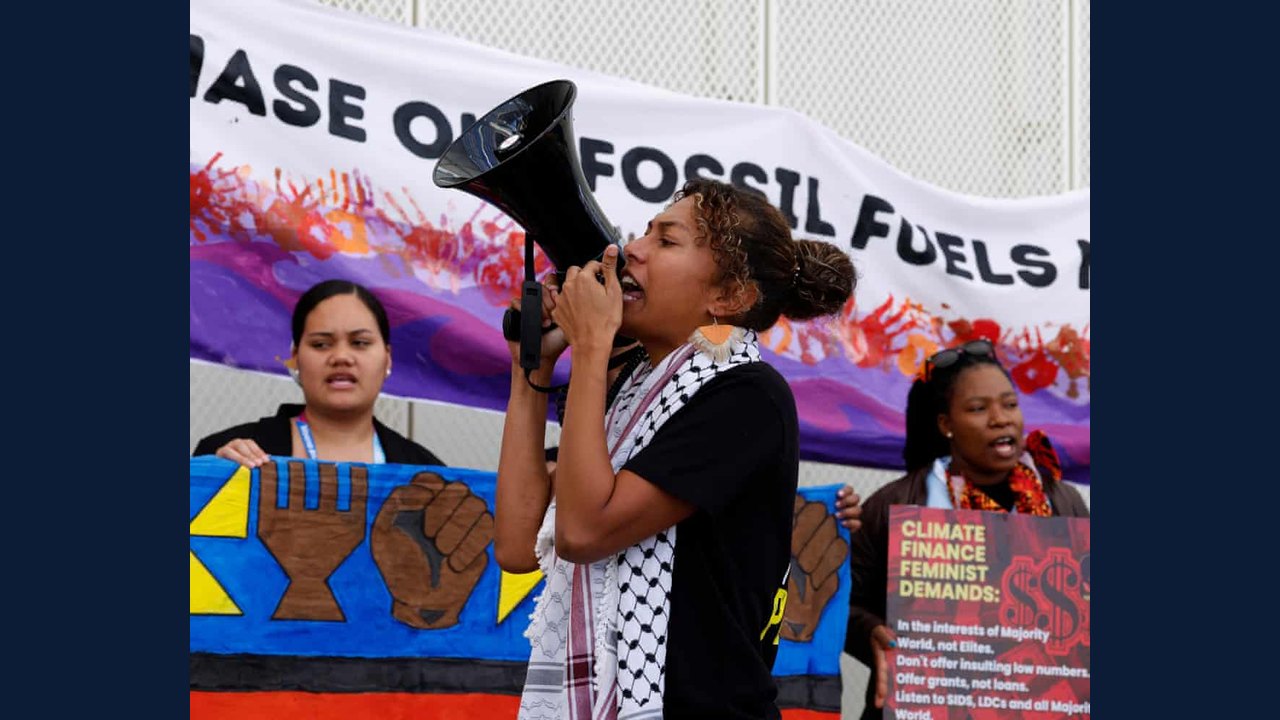 Global Climate Talks Enter Final Days Amid Pressure on Cop31 Draft Agreement
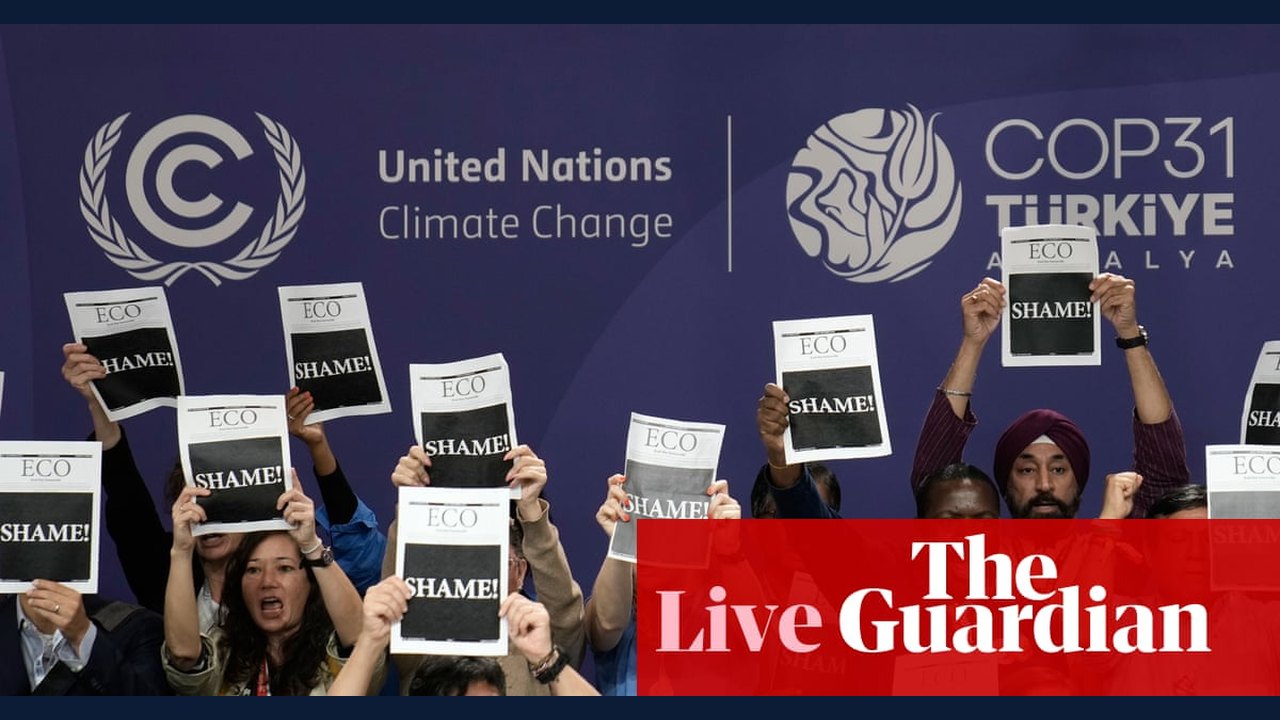 African Ministers Denounce 'Broken Promises' as COP31 Climate Talks Face Final-Day Deadlock