Democrats Secure Historic Majorities in US Congress Following 2026 Midterms
· GlobeWire Daily Editorial Desk
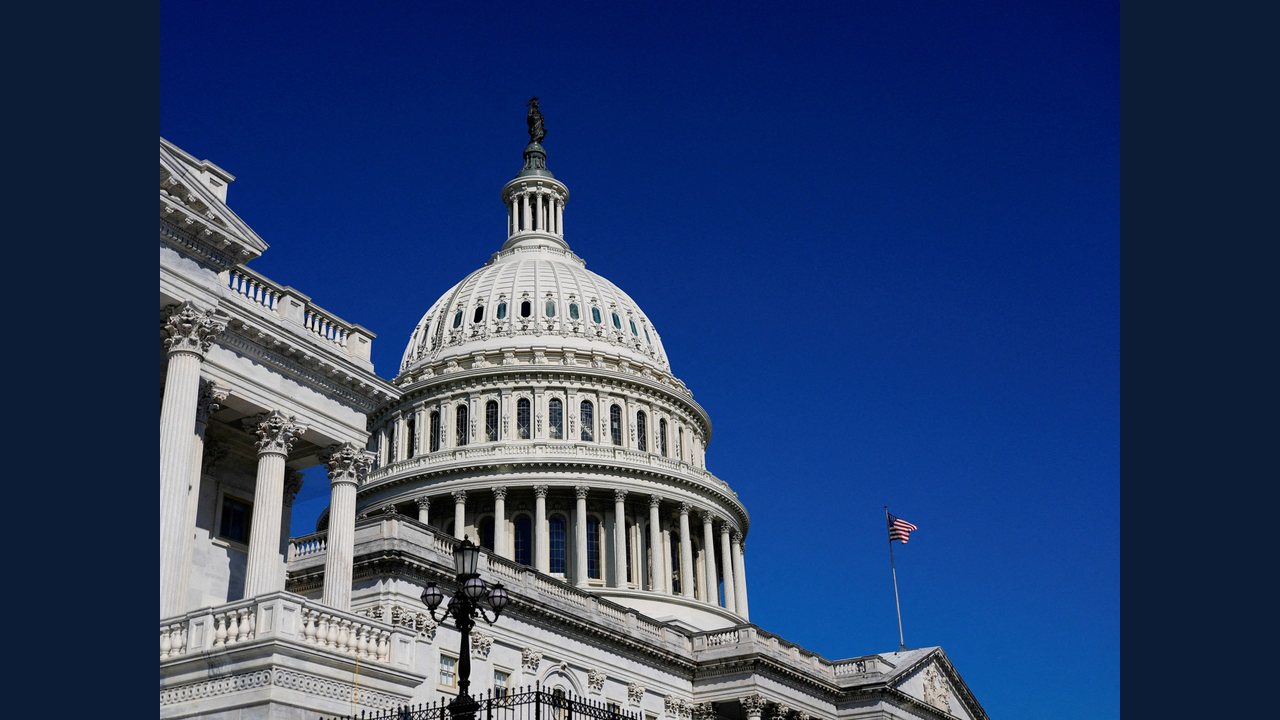
As vote counting concluded in the final races of the 2026 midterm elections on Monday, November 24, the US Democratic Party secured a 258-seat majority in the 435-member House of Representatives and a 56-seat majority in the 100-seat Senate. Four House races remain uncalled, including one in Minnesota, one in Tennessee, and two in Louisiana awaiting a December 12 run-off.
The results grant Democrats their largest House majority since 1992 and their largest Senate majority in over a decade, handing the party significant leverage during the final two years of President Donald Trump's term. The new Congress is scheduled to be sworn in on January 3.
Legislative Goals and Oversight Plans
The midterms served as a significant rebuke of the administration, driven by voter concerns over the cost of living, the US-Israel war on Iran, immigration enforcement, and corruption. Capitalizing on their expanded control, Democratic lawmakers have discussed an ambitious legislative agenda and robust executive oversight:
- House 100-Day Agenda: Proposals include potentially reversing tax cuts for high earners and restoring expired healthcare subsidies.
- Executive Oversight: House Speaker-designate Hakeem Jeffries announced plans for investigations into chip manufacturer Nvidia and Commerce Secretary Howard Lutnick.
- Senate Confirmations: Senate Democrats have threatened to block presidential nominees requiring chamber confirmation.
- Foreign Policy: Lawmakers intend to address the war on Iran, though internal party divisions persist over strategies to curb military actions.
Potential Compromise and White House Response
While Democrats hold substantial majorities in both chambers, President Trump retains executive veto power. Some incoming lawmakers have floated bipartisan compromises, with Senator-elect Abdul El-Sayed suggesting a universal healthcare program named "Trumpcare" to win presidential support.
However, evidence indicates no immediate political pivot from the administration. Trump recently named Stephen Miller as White House chief of staff, signaled aggressive use of his veto power, and criticized prospective Senate Democratic leadership. Additionally, White House counsel Will Scharf issued a letter warning against congressional overreach regarding planned investigations.