Efforts Underway to Restore Damaged Seagrass Meadows in the Baltic Sea
· GlobeWire Daily World Desk · Source: www.dw.com
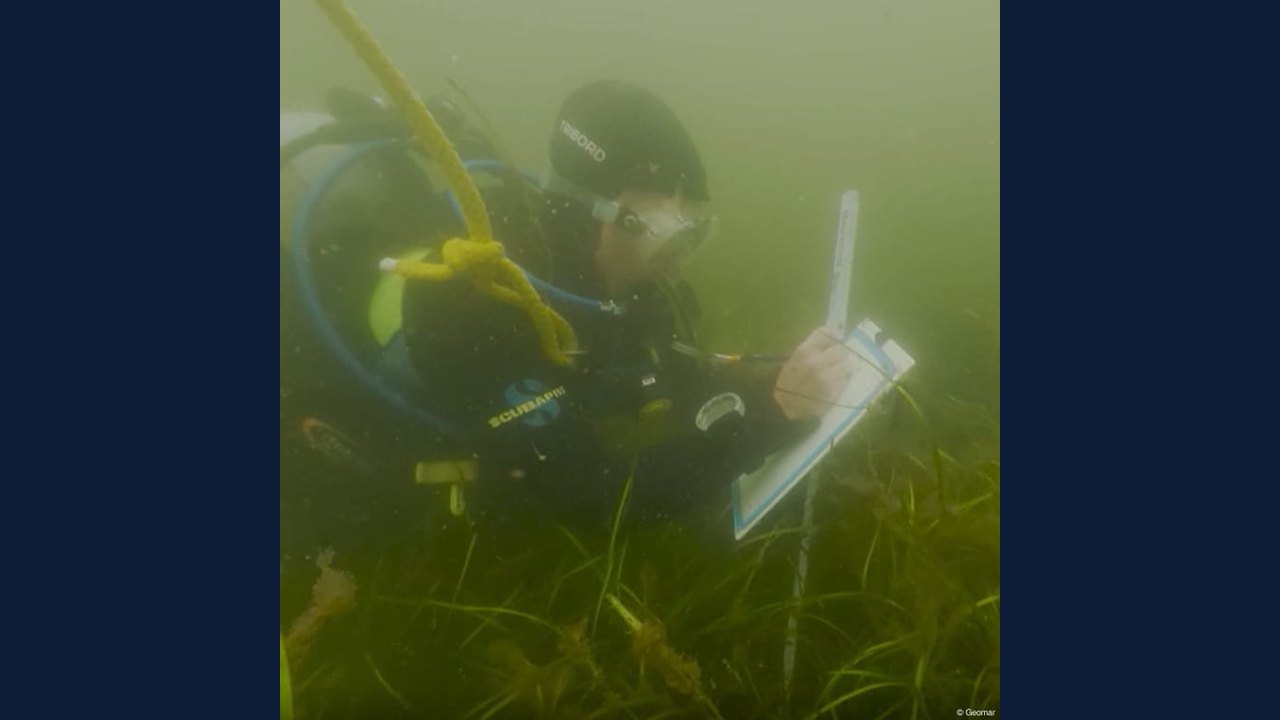
Image: dw.com · Photo source · Resized and letterboxed to 16:9; no AI generation
Conservationists and researchers are working to restore damaged seagrass meadows off the coast of Dahme, a beach town in northern Germany. According to reports, divers carefully harvest shoots from donor seagrass meadows while keeping the roots intact, and then replant them in selected areas with sandy sediment, sufficient light, oxygen, and shelter from waves.
Marine ecologist Thorsten Reusch from the GEOMAR Helmholtz Centre for Ocean Research Kiel reported that scientists estimate around 60% of the Baltic coast's seagrass meadows have disappeared, though he noted that the decline has stopped. Seagrass meadows play a vital environmental role: they provide food and shelter for marine life, improve water quality, protect shores from erosion by slowing waves, and store carbon in the seabed.
Innovative Restoration Techniques
Because manual planting of individual shoots is painstaking work, efforts are being made to scale up the process:
- Aquaculture and Machinery: Reinhard Helbig co-founded the start-up ZosteraTec, which collects washed-up seagrass after storms, grows and multiplies the saplings in aquaculture, and uses a specialized machine to bind them with biodegradable thread for easier deployment on the seabed.
- Seed Cultivation: Researchers at the GEOMAR Helmholtz Centre, including marine ecologist Esther Thomsen, are testing restoration using seeds. This method offers greater genetic diversity and the potential to sow larger areas.
- Combined Approaches: Reusch stated that combining planted individual shoots as a foundation with sown seeds to increase genetic diversity is currently considered a promising way to grow climate-resilient meadows.
Monitoring and Verification
Verifying the success of these restoration missions takes months or even years. Thomsen and her colleagues monitor sites such as the first seagrass meadow planted in Germany's Baltic waters in 2021. By counting shoots, checking density, and comparing the new growth with donor meadows, researchers determine whether the restored areas are beginning to function like natural habitats. Thomsen reported that a recent check of the 2021 site showed dense growth with many shoots per square.
AI-assisted reporting; source claims are attributed and have not been independently verified.
More to read
 Bengali Film Industry Guild Elections Underway Across Four Studios
 North Korea Fires Around a Dozen Ballistic Missiles Towards Japan Sea, Says Seoul
 Collaborative Effort Underway to Save Australia's Unique Great Desert Skink
 Search Operations Underway for Six Indian Tourists Missing in Nepal’s Dolpa District
Trending on GlobeWire Daily
Selected from recent coverage and related topics; not live search rankings.
 ExxonMobil and Chevron Report Record Profits Amid Rising Global Oil Prices
 Chandan Shetty Addresses 'Maimata' Speculation Amid Nivedita Gowda's Cryptic Social Media Post
 Canada Explores 'Associate Member' Status with EU Amid US Trade Pressure
 Canadian PM Mark Carney Addresses Trade Strategy and EU Ties Amid US Tensions
 Canadian Man Sentenced to Prison Following Multi-Million Dollar Cryptocurrency Scam
 Samajwadi Party Targets UP Assembly Elections Following MLC Poll Success