EU Proposes Expanded Powers and Resources for Frontex Border Agency
· GlobeWire Daily World Desk · Source: www.dw.com
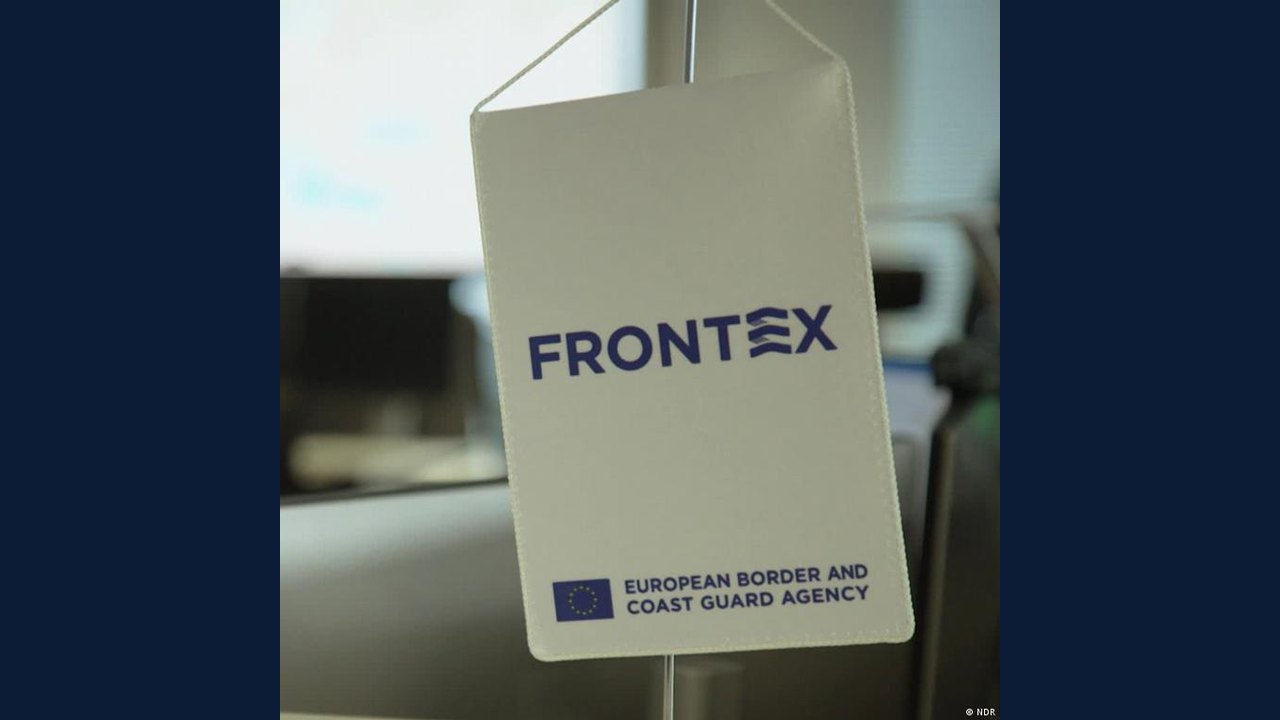
Image: dw.com · Photo source · Resized and letterboxed to 16:9; no AI generation
The European Commission on Tuesday unveiled a new legislative proposal designed to strengthen the powers and resources of the European Union border agency, Frontex, to support the return of irregular migrants. According to the European Commission, the plan aims to enable Frontex to operate beyond EU territory and assist non-EU countries in returning migrants to their countries of origin.
Proposal Details and Expansion Plans
The initiative follows a humanitarian crisis in the Spanish exclave of Ceuta over the summer. Following the events, several EU member states focused increasingly on returns, with Italy placing temporary border controls on travel from Spain, while Spain's prime minister criticized responses from other member states.
Magnus Brunner, commissioner for internal affairs and migration, stated that the proposal seeks to position Frontex as the central EU actor on returns. The plan includes:
- Establishing a quick reaction force capable of deploying within 24 hours.
- Gradually expanding the agency's standing corps to 30,000 officers over the next 15 years, which includes a new "European border and return reserve" of 17,000 officers.
- Creating a new EU Return Coordination Center within Frontex.
- Expanding the agency's role across the entire deportation process.
- Launching an online monitoring center to track social media developments related to border security risks.
Criticism and Reactions
While the proposal aims to streamline deportations—such as potentially enabling Frontex to deport a Bangladeshi national from Libya—it has drawn criticism from rights groups and lawmakers. Tineke Strik, a Dutch Member of the European Parliament from the Greens/EFA group, criticized the proposal, arguing that the reform shrinks the scope of the agency's internal rights watchdog by referring complaints to national authorities and risks pandering to populism.
Readers can verify the original announcement by reviewing official documents released by the European Commission.
AI-assisted reporting; source claims are attributed and have not been independently verified.
More to read
 Burnham rejects calls for devolution of powers in letter to Welsh FM
 Debris of Russian Gerbera-2 Drone Discovered in Moldova Near Ukrainian Border
 Lithuanian Forest Foragers Link Solitary Mushroom Gathering to Cross-Border Trade
 Global News Roundup: Five EU Nations Announce Rwanda Migrant Hub and Estonia Closes Border Crossings