Fire Ant Rafting Behaviour Raises Alarms as Queensland Wet Season Begins
· GlobeWire Daily World Desk · Source: www.abc.net.au
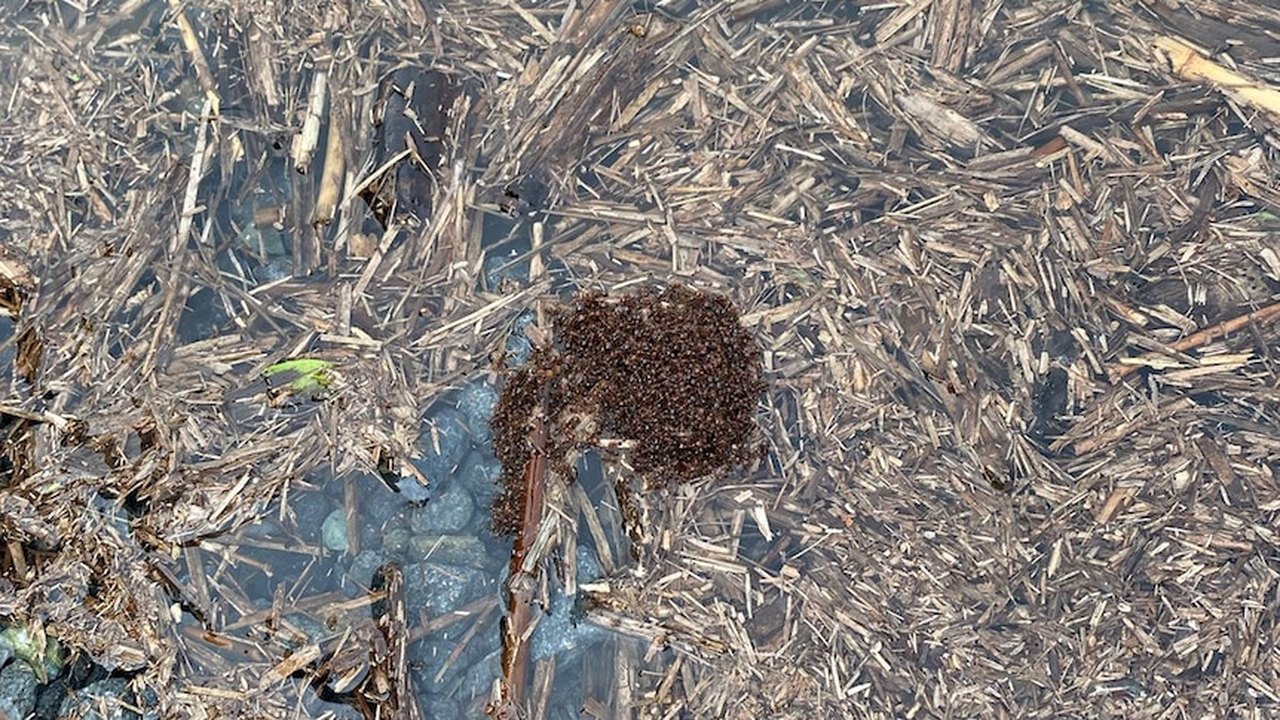
Image: www.abc.net.au · Photo source · Resized and letterboxed to 16:9; no AI generation
Experts are urging caution as Queensland's wet season ramps up, with fears that unique rafting behaviour could assist the spread of fire ants across waterways. According to the National Fire Ant Eradication Program (NFAEP), eradication efforts remain on track, but officials are warning residents to maintain a safe distance if they discover an ant nest or raft.
Threat of Rafting Behaviour
Invasive fire ants have infested approximately 850,000 hectares across south-east Queensland and northern New South Wales in recent years. With the wet season approaching, NFAEP general manager of operations Marni Manning stated that heavy rains and swollen waterways can cause the ants to join together in a survival raft configuration.
- Colony Protection: The raft helps share oxygen, protect the queen and young, and move to a safer location.
- Multiple Queens: Griffith University PhD candidate Cassidy Winter noted that fire ant colonies frequently feature multiple queens, making it easy for rafting colonies to split off and form new infestations.
- Increased Toxicity: Ms Manning described the raft as a "last resort" state where the colony enters survival mode, resulting in increased toxicity and heightened danger when interacting with nests in water or along riverbanks.
Eradication and Community Response
Ms Manning emphasized that children, older people, and animals are particularly vulnerable to fire ant attacks. While officials reported that containment efforts are holding steady, they urged the public to remain vigilant, avoid disturbing nests or rafts, and report sightings to support ongoing biosecurity measures. The NFAEP biosecurity zone covers areas including Brisbane, Logan, Ipswich, the Sunshine Coast, and parts of northern New South Wales.
AI-assisted reporting; source claims are attributed and have not been independently verified.
More to read
 Conservation Group Raises Almost $20m to Protect Critical Far North Queensland Cattle Station
 Queensland Parliament Conduct Under Scrutiny Amid Warnings From Speaker and Former Officials
 Independent Candidate Raises Concerns Over Agra Division Graduate MLC Election Process
 Northern Regional National Conclave-2026 Begins in Agra to Empower Teachers
Trending on GlobeWire Daily
Selected from recent coverage and related topics; not live search rankings.
 Madhya Pradesh Government Plans Revenue Generation from 117-Year-Old Edward Villa in Mumbai Through Leasing
 iPhone 18 Pro Named TechRadar Product of the Year 2026
 Google Project Suncatcher Runs Gemma 4 AI on Orbiting Satellite and Receives First Response
 Gender Disparities in Eye Care Access Across India Examined
 Satellite Images Show Cyclone Arnab Weakening Over India As New System Brews
 Expanding Green and Blue Spaces Crucial for India's Economic and Public Health, Reports Indicate