How Tajikistan Brought the Markhor Back from the Brink of Extinction
· GlobeWire Daily World Desk · Source: asiaplus.news
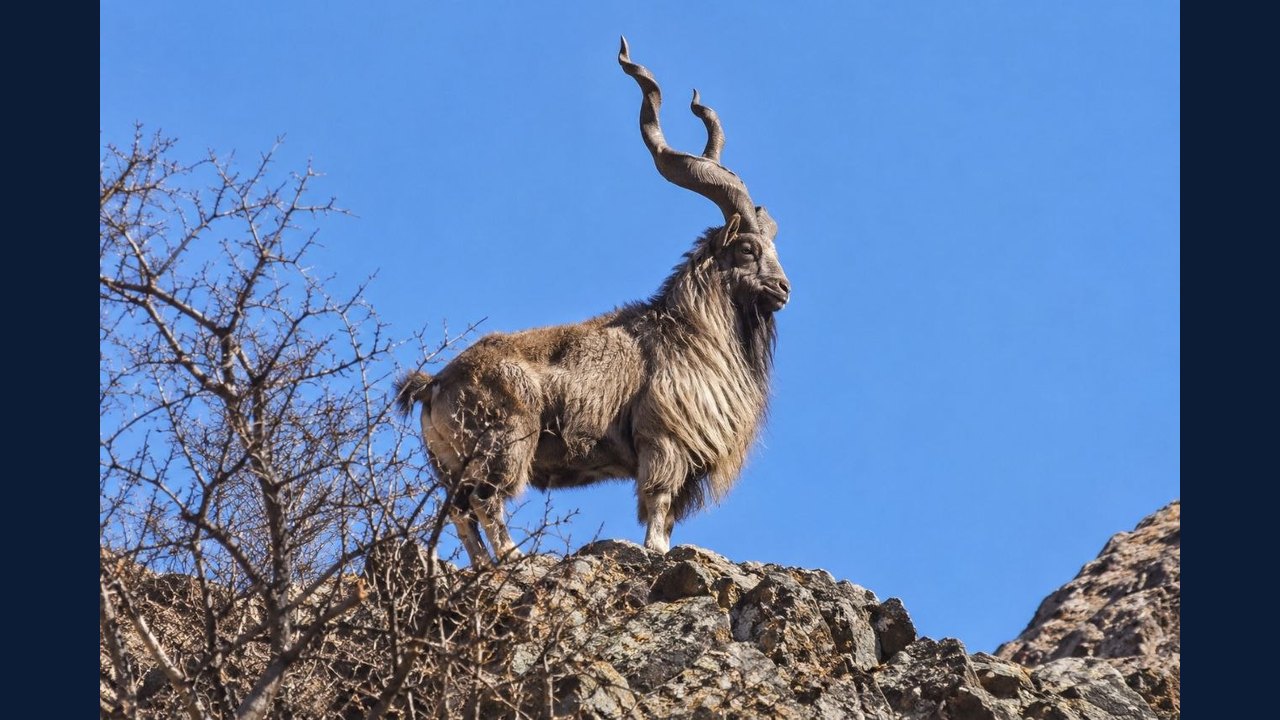
Image: Asia-Plus · Photo source · Resized and letterboxed to 16:9; no AI generation
According to the Committee for Environmental Protection, Tajikistan’s markhor population has increased from fewer than 500 animals in the early 1990s to more than 7,000 today. The rare mountain goat, distinguished by its spiral-shaped horns, has staged a remarkable recovery following decades of conservation efforts and enhanced anti-poaching measures.
Historical Decline and Recovery
- Decline: Researcher Zayniddin Amirov noted that approximately 1,000 markhors lived in Tajikistan in the 1960s, but poaching and the 1992–1997 civil war reduced numbers to around 200 by 1991.
- Growth: Surveys indicate the population began recovering around 2010, growing from roughly 220 animals in 2009 to over 3,300 by 2021.
- Community Involvement: Starting in 2008, hunting areas were assigned to local organizations to monitor wildlife, protect habitats, and prevent illegal hunting, which Amirov reported helped reduce poaching by roughly 90% in certain areas.
Ongoing Threats and Challenges
Despite the recovery, markhors remain vulnerable to various environmental and biological pressures:
- Disease: In 2010, an infectious lung disease outbreak killed 64 markhors on the Hazrati Shoh ridge. Livestock grazing also presents competition for vegetation and disease transmission risks.
- Severe Weather: Deep winter snow forces animals to lower elevations, and extreme cold caused the deaths of 25 markhors on the Darvoz ridge in the winter of 2023.
- Habitat Loss: The decline of food-providing trees, such as Judas and almond trees, adds to habitat strain.
Current Status and Conservation
Markhors inhabit southern mountainous areas, including the Darvoz and Shamsiddin-Shohin districts. The species is listed in Tajikistan's Red Book and protected under national legislation and CITES. Additionally, Tajikistan has proposed hosting an International Markhor Day event in Dushanbe in May 2027 following a UN General Assembly proclamation initiated by President Emomali Rahmon.
To verify original announcements, consult official publications from the Committee for Environmental Protection or the UN General Assembly.
AI-assisted reporting; source claims are attributed and have not been independently verified.
More to read
 Parents of Teen Who Died of Breast Cancer Back New Scottish Medical Guidelines
 How Grace Kelly Brought the American Thanksgiving Tradition to the Monaco Royal Palace
 ICJ Scheduled to Rule on Rohingya Genocide Case Against Myanmar Brought by The Gambia
 Nvidia Dismisses 'Bring Jensen Back' Campaign as US President Donald Trump Backs Effort