Implementation Science Requires Locally Grounded Approaches for Global Health Equity, Essay Argues
· GlobeWire Daily World Desk · Source: bioengineer.org
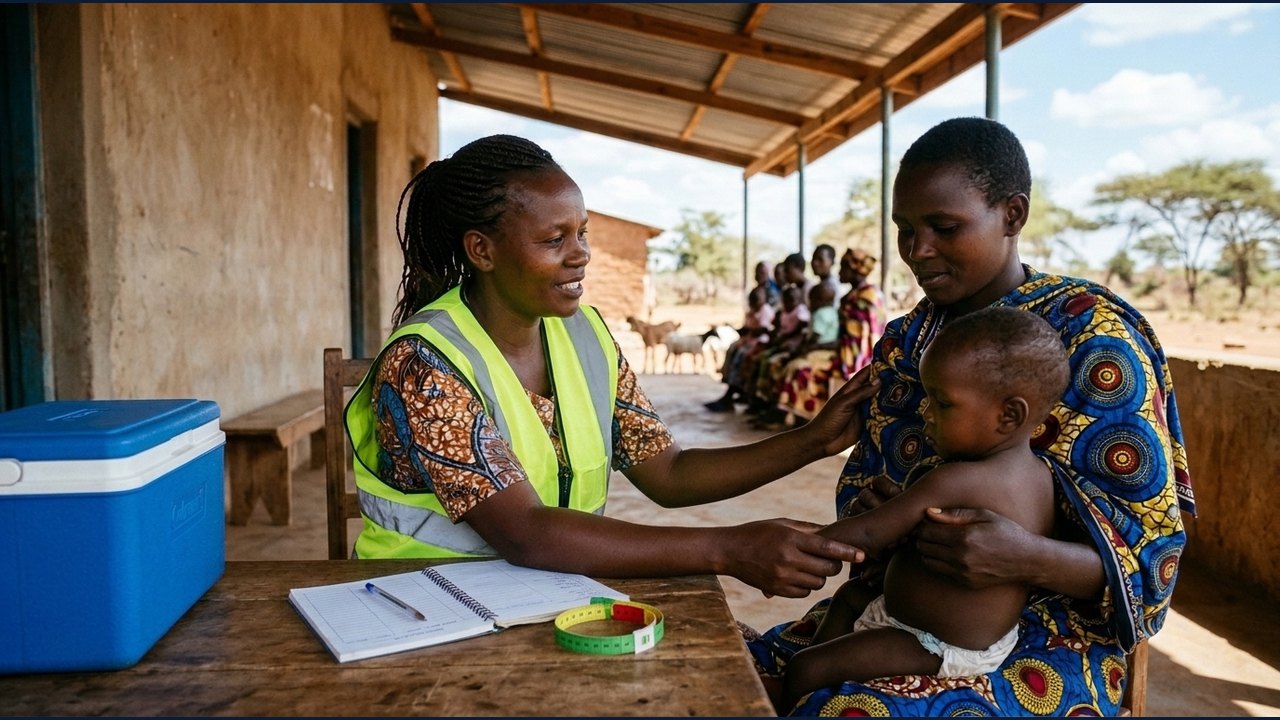
Image: BIOENGINEER.ORG · Photo source · Resized and letterboxed to 16:9; no AI generation
A recently published essay argues that advancing equity in global public health implementation science requires locally grounded and context-sensitive approaches rather than standardized technical models. Researchers Sarah Louart, Emmanuel Bonnet, Manuela De Allegri, Adama Faye, Kadidiatou Kadio, Oumar Mallé Samb, and Valéry Ridde examined how equity functions in low-resource settings characterized by institutional fragility and external influences.
According to the analysis, operationalising equity cannot rely solely on universal indicators, predefined methodological designs, or decontextualised frameworks. The findings were detailed in an essay published in PLOS Global Public Health in November 2026, as reported by Phoebe Ingram.
Comparative Analysis of Two Interventions
The authors conducted a comparative and reflexive analysis of two action-research interventions carried out more than a decade apart:
- Burkina Faso (2007–2010): A project that evaluated a community-based indigent identification mechanism.
- Senegal (2023–2025): A pilot intervention evaluating patient navigation.
Through these initiatives, the researchers illustrated the specific conditions under which grounded implementation approaches emerge and evolve over time.
Core Dimensions of Equity
The researchers examined design, implementation, and evaluation across four key dimensions to understand how equity considerations shaped both interventions:
- Alignment with local health priorities
- Mobilisation of context-sensitive and situated evidence
- Active stakeholder involvement
- Contributions to decolonial, contextually grounded strategies
The authors observed that these approaches enhanced the relevance and legitimacy of interventions aiming to improve healthcare access in fragile settings.
Structural Constraints and Future Directions
Despite clear benefits, the analysis revealed that persistent structural constraints continue to influence the operationalisation of health equity. Putting equity into practice requires navigating institutional fragility, policy discontinuities, unequal power dynamics, ethical dilemmas, and limited actionable data.
Advancing equity in implementation science demands sustained critical engagement with these constraints alongside a deeper transformation in knowledge and action co-production in global health.
AI-assisted reporting; source claims are attributed and have not been independently verified.
More to read
 Anonymous Connecticut Family Pledges $50 Million to Americares for Global Health
 Weekend Alcohol Consumption and Women's Health: Examining the Science Behind Breast Cancer Risks
 AIIMS Gorakhpur Highlights Antimicrobial Resistance as a Global Health Challenge
 WHO-World Bank Report Highlights Global Progress and Persistent Gaps in Universal Health Coverage