On Sri Lanka’s Coast, Communities Face Human Cost of Changing Climate
· GlobeWire Daily World Desk · Source: www.tbsnews.net
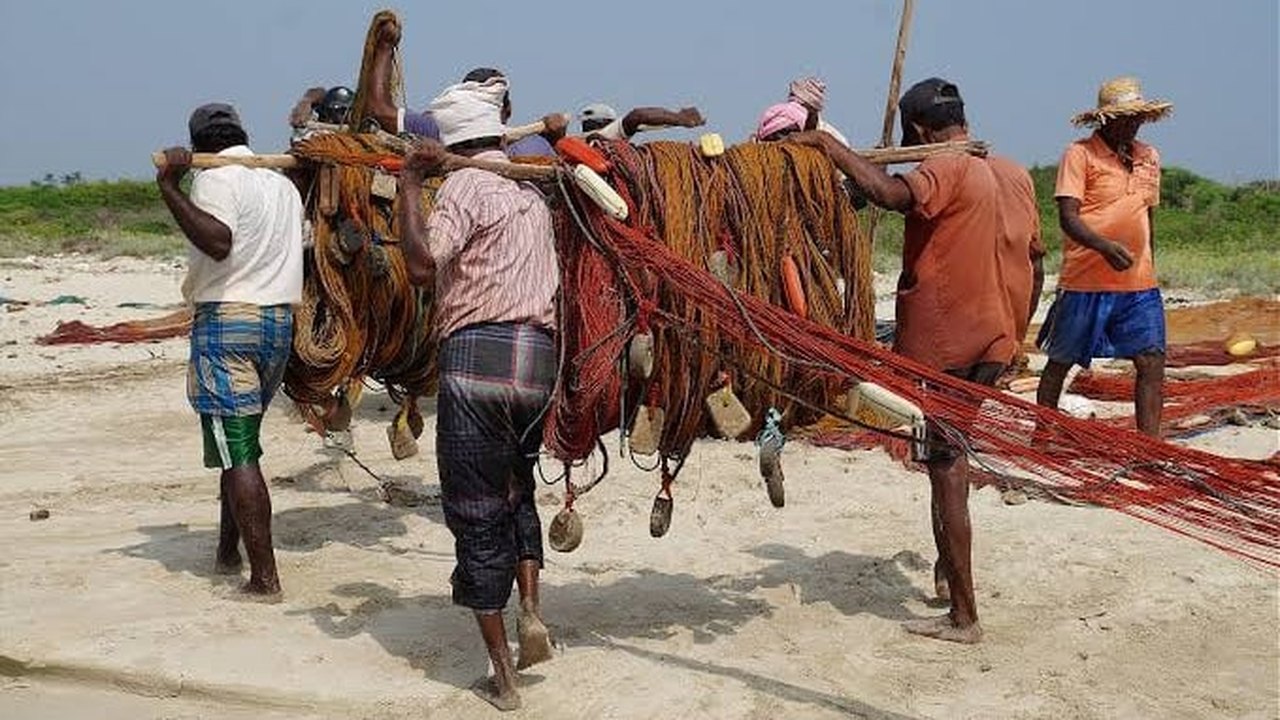
Image: The Business Standard · Photo source · Resized and letterboxed to 16:9; no AI generation
In the low-lying coastal district of Mannar, Sri Lanka, residents and local researchers report mounting pressures from rising heat, declining fish catches, and saltwater intrusion into farmland. According to accounts shared during a Greenpeace South Asia initiative gathering, environmental shifts are compounding economic challenges for families dependent on fishing and agriculture.
Independent climate researcher Qunson Marynathan noted that historical daily fish catches of 300 to 400 kilograms have reportedly fallen to 30 to 40 kilograms. While precise scientific assessments are required to isolate the exact causes, local communities face immediate financial strain from diminished yields and higher temperatures.
Agricultural and Educational Pressures
- Saltwater Intrusion: Rising sea levels and low-lying geography expose agricultural soils to salinity, impacting crop growth and local incomes.
- Reported Yield Changes: Local accounts suggest rice paddy yields may have declined over recent years, though independent government dataset verification remains necessary.
- Impact on Youth: Prolonged heat exposure has reportedly caused discomfort and headaches among school children, affecting attendance and learning.
Renewable Energy and Local Concerns
Mannar is integrated into Sri Lanka's renewable energy expansion, featuring coastal wind turbines. However, residents have raised concerns regarding ongoing power outages, attributing them to energy feeding into the national grid rather than local distribution. Additional community concerns involve potential noise, vibration impacts on marine life, and risks to migratory birds along the Central Asian Flyway.
Observers and international participants at the regional gathering emphasized the broader discussions surrounding climate justice, pointing out that vulnerable coastal and mountain communities often bear the disproportionate costs of environmental changes they did not create.
AI-assisted reporting; source claims are attributed and have not been independently verified.
More to read
 Pakistan Face Sri Lanka in Lahore Tri-Series ODI Final
 East Lothian Woman Undertakes 350km Sri Lanka Cycling Challenge for Cardiac Screening Charity
 Sri Lanka President Anura Kumara Dissanayake Brings Economic Stability and Policy Continuity
 Changing Tastes and Climate Push Australian Winemakers Toward Volcanic Slopes