Changing Tastes and Climate Push Australian Winemakers Toward Volcanic Slopes
· GlobeWire Daily World Desk · Source: www.abc.net.au
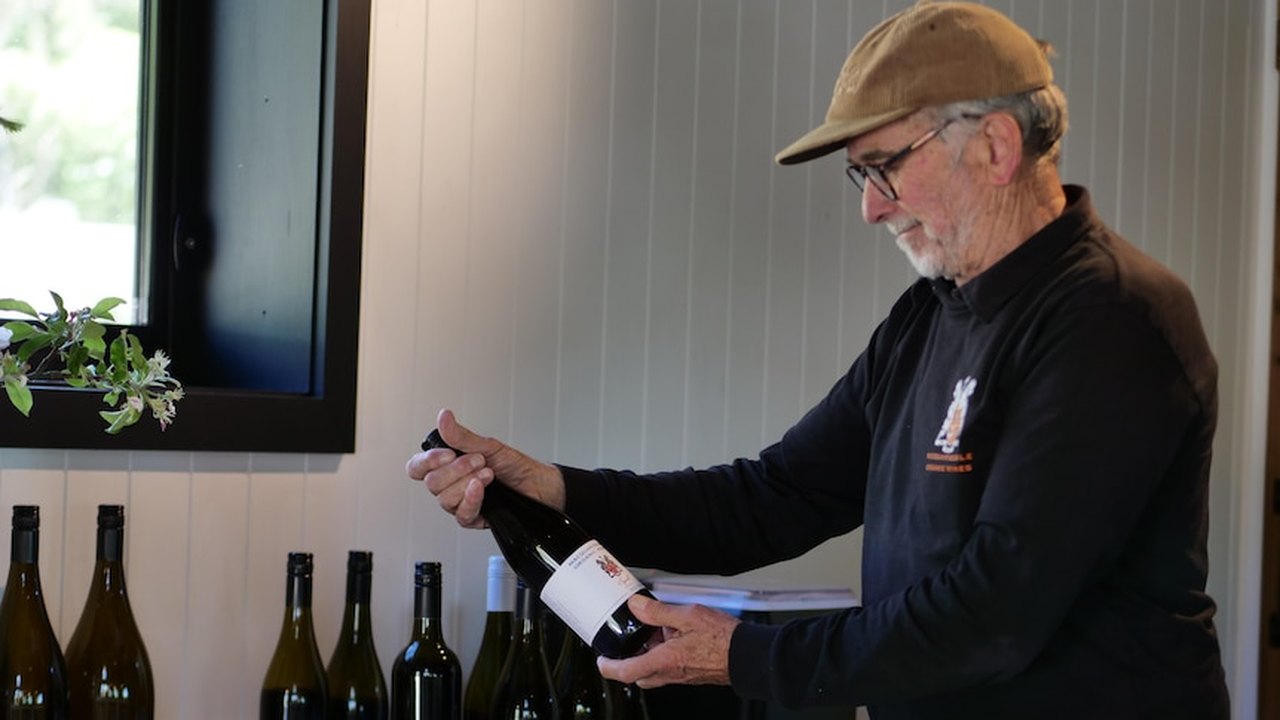
Image: www.abc.net.au · Photo source · Resized and letterboxed to 16:9; no AI generation
Climate Pressures and Shifting Palates
Australian winemakers are increasingly sourcing grapes from cooler, high-altitude regions as a changing climate and shifting consumer preferences challenge traditional production areas. Industry participants and regional associations report that a decade-long trend toward lighter-style wines has accelerated the movement of fruit across regions.
Traditionally warmer areas, such as the Hunter Valley in New South Wales, face growing difficulties in cultivating lighter styles. Consequently, some Hunter Valley wineries supplement their production by purchasing grapes from cooler regions like Orange in the Central West.
The Appeal of the Orange Region
Located around the slopes of the ancient extinct volcano Gaanha Bula-Mount Canobolas, the Orange wine region benefits from high altitudes ranging between 600 and 1,390 metres above sea level. This geography provides:
- Nutrient-rich volcanic soils suited for agriculture
- Cooler ambient temperatures that support lighter wine styles
- Favourable conditions for growing varieties like pinot noir
According to Wine Australia's National Vintage Report, Orange produced nearly five times the quantity of pinot noir compared to the Hunter Valley, highlighting the regional divergence in grape output.
Industry Adaptation and Regulations
While exact figures on outsourced grapes remain difficult to quantify, local growers and industry figures suggest that a significant portion of fruit processed in the Hunter Valley originates elsewhere. Industry representatives note that sourcing fruit from external regions helps maintain supply consistency during periods of variable weather, including extended heat periods and intense rainfall.
Under Wine Australia guidelines, regional labelling requires at least 85 percent of the grapes in a bottle to originate from the stated region, though wines can be sold anywhere provided labels accurately reflect their composition.
Verifying Original Announcements
To review the original findings and industry data, readers can consult:
- Wine Australia's official National Vintage Report publications
- Regional bodies including the NSW Wine Industry Association and the Hunter Valley Wine and Tourism Association
- Official labelling transparency guidelines regarding regional content rules
AI-assisted reporting; source claims are attributed and have not been independently verified.
More to read
 U.S. Moves to Remove South Africa and Rwanda from AGOA Trade Preference Starting 2027
 Liberal backbencher Garth Hamilton urges party to keep superannuation rules unchanged
 Why the Women’s Rugby League World Cup Is a One‑Sided Contest – and What Needs to Change
 Collaborative Effort Underway to Save Australia's Unique Great Desert Skink
Trending on GlobeWire Daily
Selected from recent coverage and related topics; not live search rankings.
 Road to Glory: ICC U19 Women’s T20 World Cup 2027 Preview
 2026 ICC Women's T20I Challenge Trophy: Tournament Overview and Participating Nations
 Thailand Claims Victory in ICC Women's Emerging Nations Trophy 2025
 Ellyse Perry Highlights Special Significance of Australia's T20 World Cup Triumph
 ICC Women's Cricket World Cup 2025 Sets New Digital Records Following Memorable Tournament
 ICC Women's Championship Updates and Qualifier Action Highlights