Report: Wagner Group and Chinese Firms Control Nearly 40% of CAR Logging Concessions
· GlobeWire Daily World Desk · Source: panafricanvisions.com
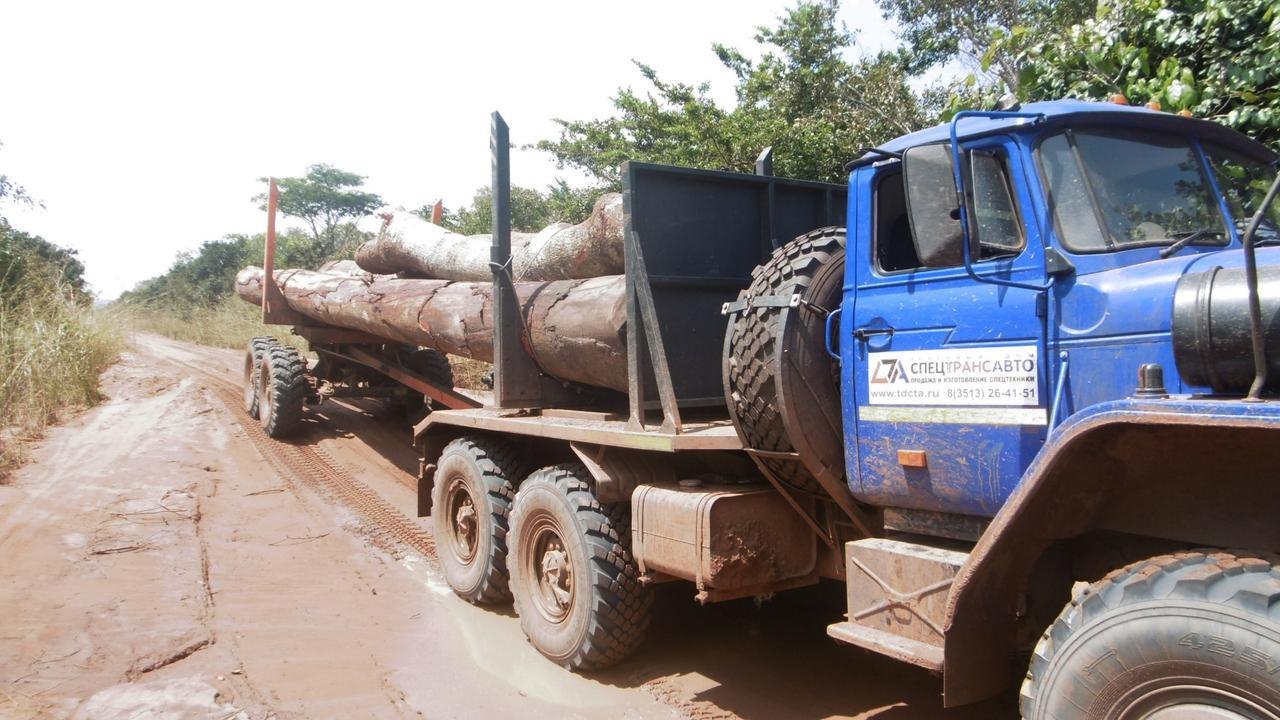
Image: PAN AFRICAN VISIONS · Photo source · Resized and letterboxed to 16:9; no AI generation
Overview of Findings
A report released on November 10, 2026, by the Washington-based organization The Sentry alleges that foreign interests, primarily linked to Russia’s Wagner Group and various Chinese firms, control nearly 40 percent of the commercial logging concessions in the Central African Republic (CAR). The investigation highlights systemic issues regarding forestry governance, tax compliance, and the exploitation of natural resources.
Key Issues Identified
- Concession Control: The report examines six of the nation’s 14 concessions. Two are reportedly linked to Wagner-affiliated entities, Bois Rouge and the Forest Consulting Company (FCC), while others were previously held by the Chinese-backed Vicwood Group.
- Regulatory Weakness: The study alleges that companies obtained concessions despite concerns over their experience and ownership transparency. Specifically, it questions the 2023 transfer of four concessions from Vicwood Group to Zhejiang Great Luck.
- Economic Impact: Authorities report that approximately 85 percent of CAR timber is exported as raw logs. Six of the 14 concessions lacked local processing facilities as of 2024, limiting domestic industrial development.
- Social and Environmental Concerns: Local communities have reportedly faced unfulfilled promises regarding schools, healthcare, and employment. Additionally, the report claims over 1,000 shipments of CITES-protected timber species occurred without required scientific assessments.
Governance and Accountability
The Sentry alleges that millions of dollars in forestry taxes remain unpaid or unaccounted for. While the U.S. and U.K. have previously sanctioned entities like Bois Rouge for connections to Wagner, the report notes these firms have maintained access to forest resources. The investigated companies did not respond to requests for comment regarding these allegations. The Sentry advocates for increased international transparency and stricter enforcement of environmental and trade regulations to protect the Congo Basin’s biodiversity.
AI-assisted reporting; source claims are attributed and have not been independently verified.
More to read
 Europe's 2027 Car of the Year Shortlist Features All-Electric Finalists as Chinese Contenders Miss Out
 Peterhead-based Score Group Sold in Major Private Equity Deal
 Deoria Police Seize Haryana-Made Liquor From Car with Fake Number Plate, Two Arrested
 Survivor of 2017 Glasgow House Fire Shares Story Nearly a Decade Later