Taliban Bans Sight-Saving Corneal Transplant Operations in Afghanistan, Citing Islamic Teachings
· GlobeWire Daily World Desk · Source: timesofindia.indiatimes.com
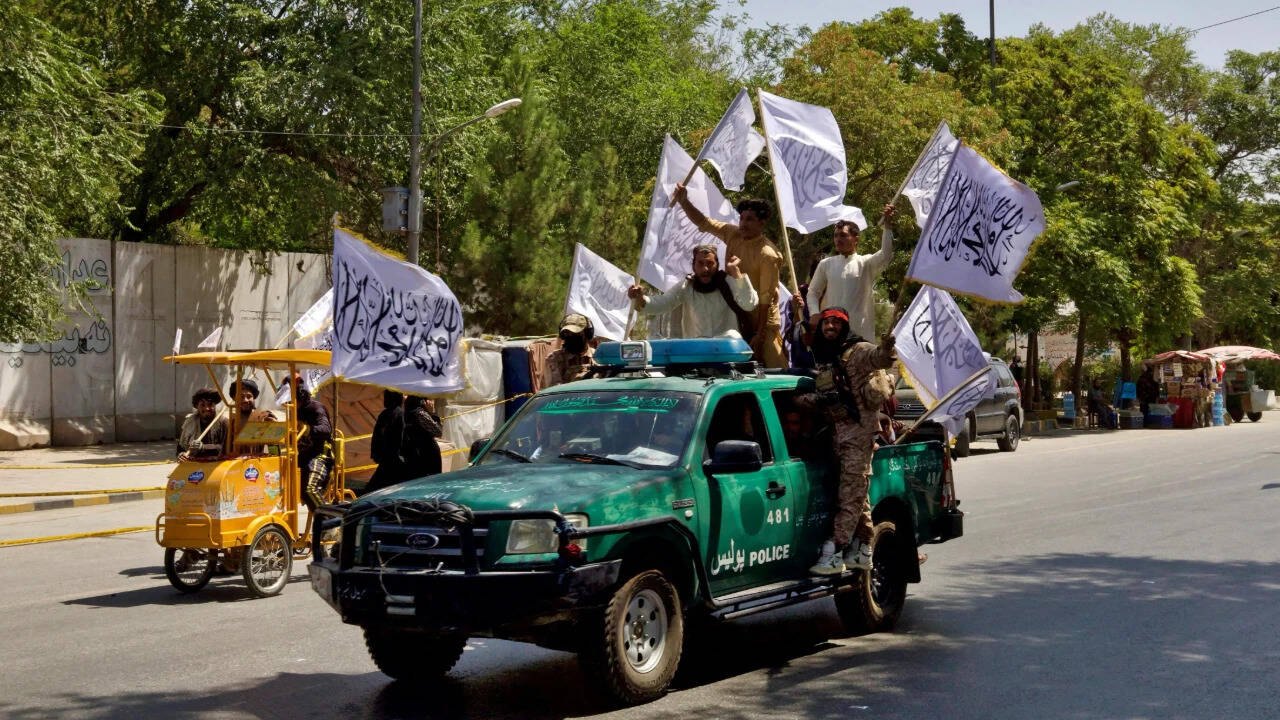
Image: The Times of India · Photo source · Resized and letterboxed to 16:9; no AI generation
According to a report published by The Telegraph, Taliban authorities have reportedly banned corneal transplant operations in Afghanistan, declaring the sight-saving medical procedure to be against Islamic teachings. Hospitals have been verbally instructed to halt the procedures immediately, creating uncertainty for patients awaiting treatment.
Impact on Patients and Healthcare Infrastructure
The directive threatens to prevent hundreds of individuals from receiving sight-saving care. Medical professionals reported that many patients on the waiting lists are young people who lost their eyesight due to trauma, accidents, explosions, and welding-related injuries resulting from decades of violence in the country.
- Waiting Lists: Facilities like the Noor Eye Hospital in Kabul have been forced to bring their transplant programmes to a standstill.
- Prior Operations: The Noor Eye Hospital had reportedly performed approximately 90 transplants in recent months before receiving the verbal directive.
- Resource Limitations: Dr Noor Zaman Hashim stated that the country faces a shortage of sufficient ophthalmologists and locally available corneas.
International Support and Previous Programmes
The corneal transplant initiative in Afghanistan was supported by the Association of Physicians of Pakistani Descent of North America (APPNA), a US-based charitable organisation. APPNA previously provided free donor corneas in Pakistan and expanded its efforts to Afghanistan earlier this year, facilitating more than 150 operations and training three Afghan ophthalmologists in Peshawar.
Broader Restrictions in Afghanistan
This prohibition adds to a growing list of restrictions implemented by the Taliban administration since returning to power in 2021. Previous measures reported by various outlets include:
- Restrictions on chess due to gambling concerns.
- Internet access limits in several provinces to prevent immoral activities.
- The removal of books written by women from university curricula.
- The discontinuation of specific university subjects, including human rights and women's studies.
- The exclusion of girls from education beyond the sixth grade and the closure of professional midwifery training programmes.
How to Verify
Readers can verify original reporting and ongoing developments regarding Afghanistan's healthcare policies through established international news outlets and human rights monitoring organizations.
AI-assisted reporting; source claims are attributed and have not been independently verified.
More to read
 OpenAI Bans Accounts Tied to Russian and Iranian Influence Operations
 Warsaw Airports Resume Operations After Security Alerts on London and Copenhagen Flights
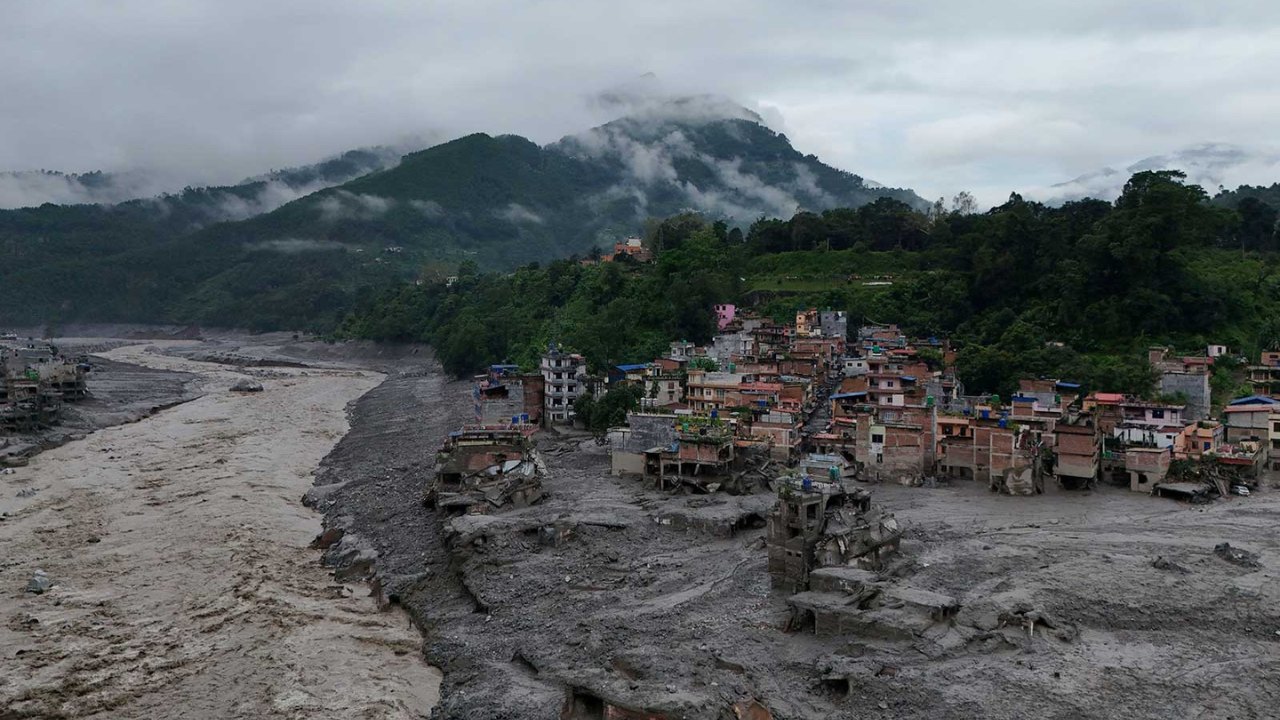 Search Operations Underway for Six Indian Tourists Missing in Nepal’s Dolpa District
 ISHRS Prepares for Sixth Annual World Hair Transplant Repair Day on November 11
Trending on GlobeWire Daily
Selected from recent coverage and related topics; not live search rankings.
 Madhya Pradesh Government Plans Revenue Generation from 117-Year-Old Edward Villa in Mumbai Through Leasing
 iPhone 18 Pro Named TechRadar Product of the Year 2026
 Google Project Suncatcher Runs Gemma 4 AI on Orbiting Satellite and Receives First Response
 Gender Disparities in Eye Care Access Across India Examined
 Satellite Images Show Cyclone Arnab Weakening Over India As New System Brews
 Expanding Green and Blue Spaces Crucial for India's Economic and Public Health, Reports Indicate