The ELN in Venezuela: From Colombian Guerrilla Group to Cross-Border Armed Power
· GlobeWire Daily Editorial Desk · Source: latinoamerica21.com
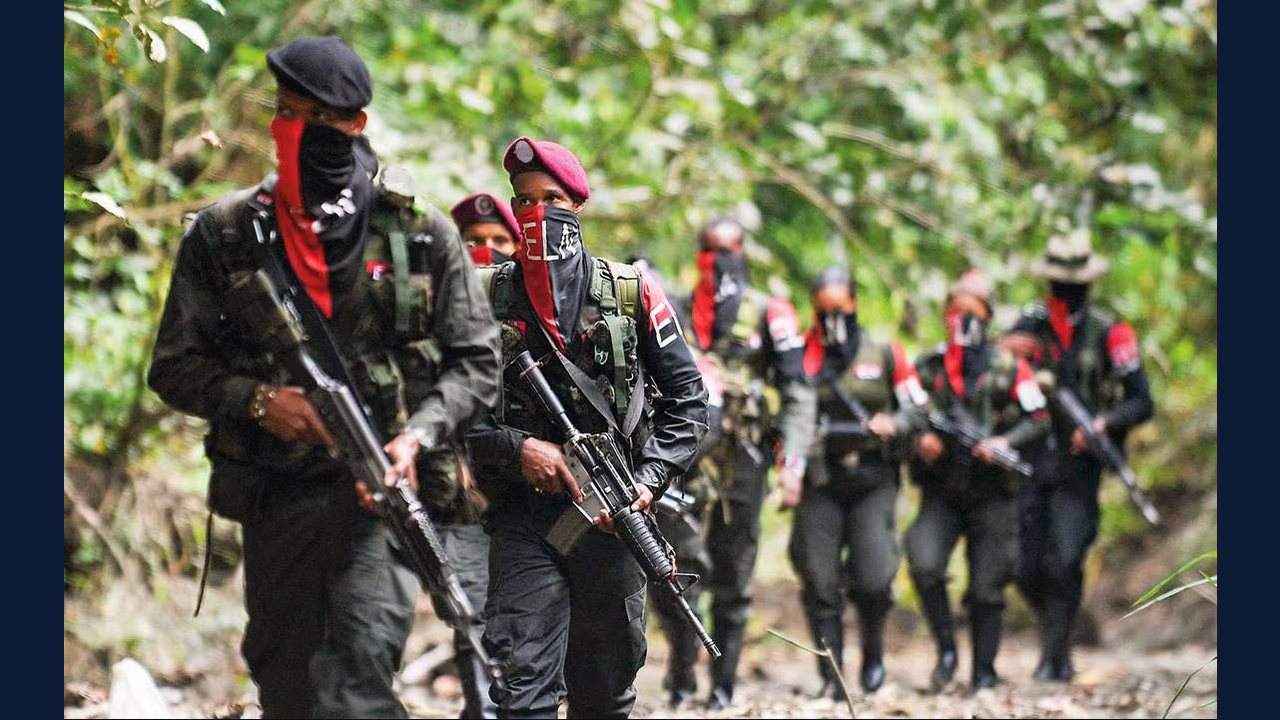
According to the International Crisis Group, the National Liberation Army (ELN) operates as a cross-border armed power along the approximately 2,200-kilometer Colombian-Venezuelan border. The group combines an insurgent identity, declared political objectives, and hierarchical military structures with deep involvement in illicit economies such as drug trafficking, illegal mining, and extortion.
The Cross-Border Dimension and Recent Clashes
The offensive launched in Catatumbo in January 2025 highlighted the severe humanitarian impact of armed disputes in the region. On March 20, 2025, United Nations experts warned that clashes between the ELN and Frente 33 had displaced more than 56,000 people and left another 27,000 confined.
- Displacement Figures: Human Rights Watch documented that over 56,500 people were displaced, marking the largest episode since 1997.
- Reported Abuses: The UN and human rights organizations reported allegations of executions, disappearances, sexual violence, and child recruitment.
- Impact on Education: Over 46,900 children were unable to attend school for weeks, and hundreds of teachers abandoned their posts.
Organizational Model and Venezuelan Territory
The ELN's expansion into Venezuela is facilitated by historical movements, post-FARC demobilization vacuums, and the consolidation of corridors in states like Apure and Amazonas. According to International Crisis Group, Venezuelan territory provides the group with:
- Mobility, refuge, and reorganization.
- Connections between economic enclaves and access to illicit markets.
- Evasion routes from Colombian military operations.
- Direct ties with local communities and local authorities.
The group's relationship with the Venezuelan state varies from direct confrontation—such as military operations in Apure in 2021—to tolerance or cooperation in other areas.
Challenges for Policy and Peace Processes
The ELN's decentralized structure, where fronts retain operational autonomy, complicates peace negotiations and ceasefire verifications. Experts emphasize that unilateral military pressure within Colombia risks merely pushing structures across the border. Effective institutional responses require bilateral cooperation, enhanced civilian presence, and governance indicators focused on civilian protection.
More to read
 Indo-Bhutan NCC-Gyalsung Cycling Expedition to Cover 2,100km for Cross-Border Friendship
 Solar Energy Transforms Rural Malawi Amid Power Shortages, While Experts Urge Caution on Quality
 Christian Girl Killed in South Sudan After Refusing Arranged Marriage, Rights Group Reports
 Experts Warn Victoria Faces Electricity Supply Gap Ahead of Yallourn Power Station Closure