The Historical Heritage of Khwaspur: The '52 Bullocks Well' Lies in Obscurity in Agra
· GlobeWire Daily World Desk · Source: www.inextlive.com
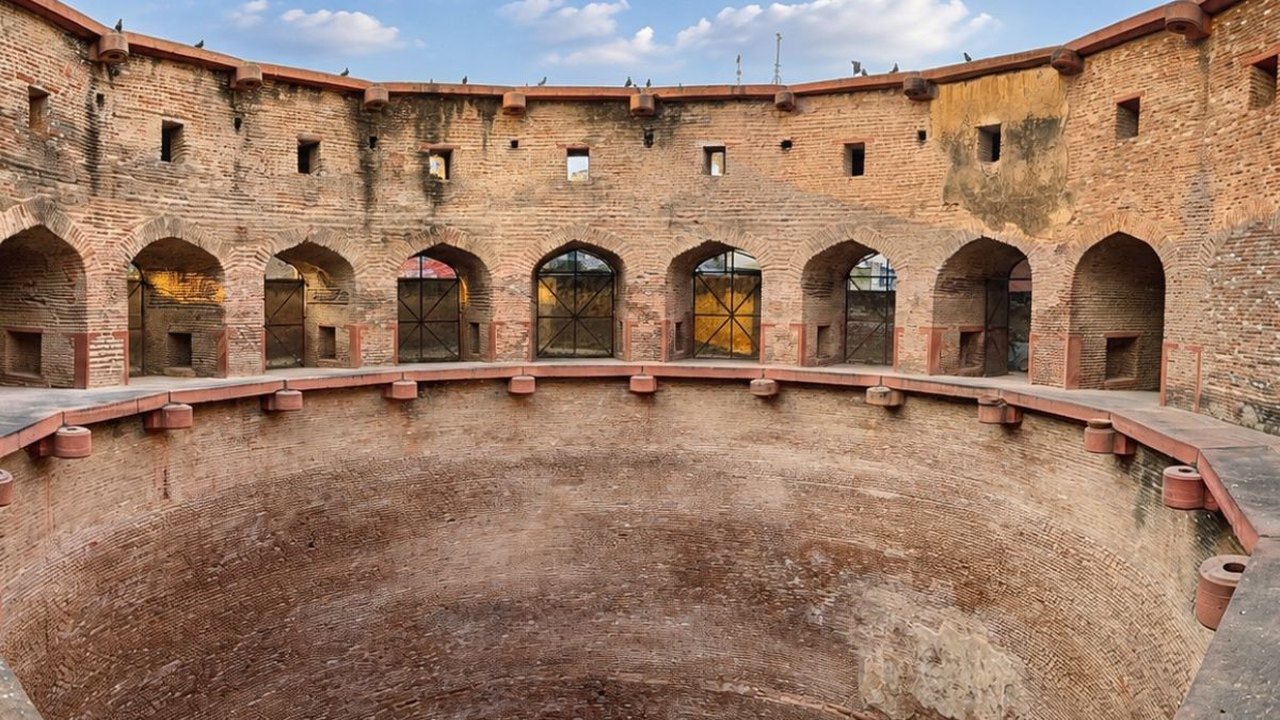
Image: inextlive · Photo source · Resized and letterboxed to 16:9; no AI generation
According to reports, the historical 'Fifty-two Bullock Well' located behind the tomb of Kamal Khan in Khwaspur, Agra, stands as a notable monument from the Mughal era. Archaeological Survey of India (ASI) records officially list the well, along with the adjacent Kamal Khan dargah, under protection since December 22, 1920.
Historical records, including an 1871-72 report by A.C. Carlleile, detail the massive scale of the structure. The well features an inner circular shaft with a diameter of about 42 feet (12.8 meters) and an outer perimeter of roughly 220 feet. Its exterior structure consists of 16 sides, each measuring approximately 13.5 feet, surrounded by arched doorway screens.
Historical Background and Local Beliefs
Official records and local accounts present a mix of documented facts and traditional beliefs surrounding the site:
- ASI Protection: Listed and protected under the ASI since December 22, 1920.
- Design: 16-sided outer structure with a 42-foot inner diameter and a wall thickness of about 9 feet 7 inches.
- The 52 Bullocks Mystery: While Mughal-era records indicate that numerous bullocks were used to draw water, contemporary detailed technical documentation regarding the exact use of 52 bullocks remains unclear.
- The Legend of Kamal Khan: Local lore suggests that Kamal Khan, a royal elephant rider from Dholpur district's Bari, sank into the well with his elephant, leading to the establishment of the nearby dargah.
- Communal Harmony: The site features a shared cultural space, with the Bulaki Baba temple situated close to the dargah, and members of both Hindu and Muslim communities participating in local fair arrangements.
Current Status
ASI Agra Circle Chief Dr. Smita S. Kumar stated that the Mughal-era well highlights advanced historical water management and architectural skill. Due to safety considerations, entry into the well is currently restricted. Visitors and researchers can verify these details through official ASI documentation and records maintained at the Agra circle.
AI-assisted reporting; source claims are attributed and have not been independently verified.
More to read
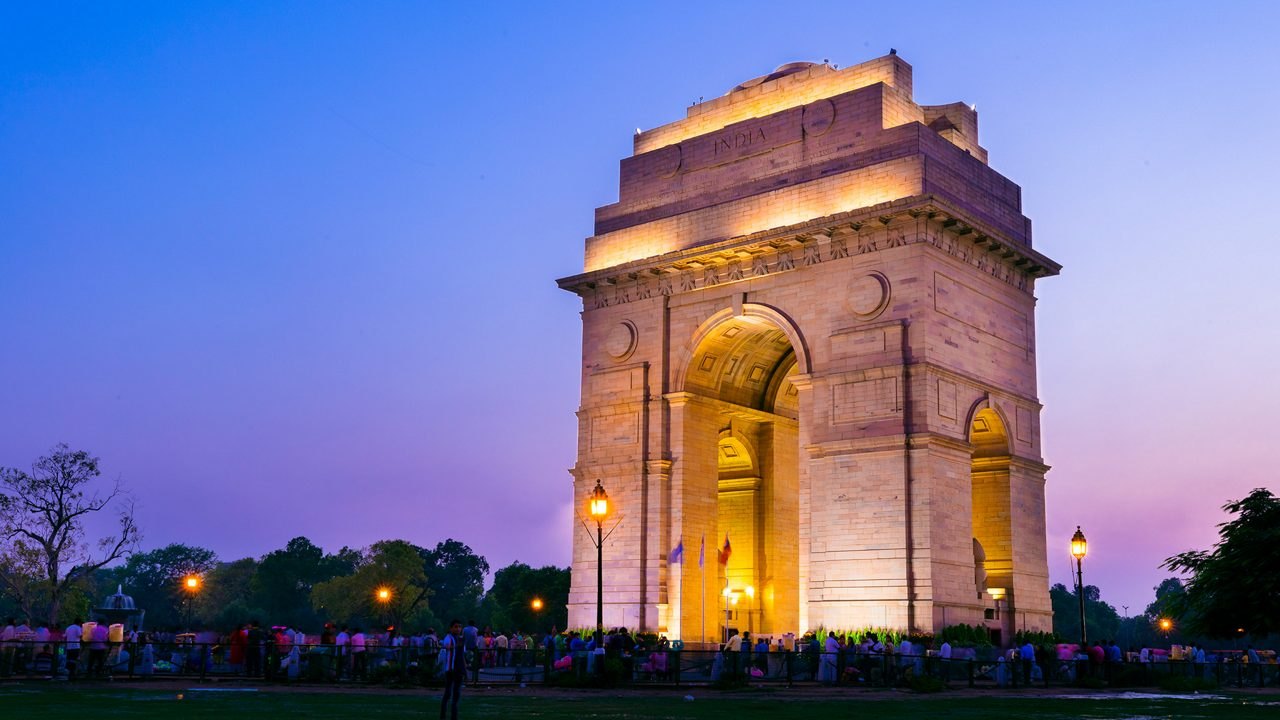 Exploring the Cultural and Historical Heritage of Delhi
 Road Collapses in Agra’s Wazirpura Due to Pipeline Leakage, 15-Foot Crater Creates Hazard
 Agra: Barricading to be removed from seven intersections on MG Road to ease traffic congestion
 Exploring Agra's Historic Lohamandi Market: From Mughal Weaponry to Modern Retail
Trending on GlobeWire Daily
Selected from recent coverage and related topics; not live search rankings.
 Madhya Pradesh Government Plans Revenue Generation from 117-Year-Old Edward Villa in Mumbai Through Leasing
 iPhone 18 Pro Named TechRadar Product of the Year 2026
 Google Project Suncatcher Runs Gemma 4 AI on Orbiting Satellite and Receives First Response
 Gender Disparities in Eye Care Access Across India Examined
 Satellite Images Show Cyclone Arnab Weakening Over India As New System Brews
 Expanding Green and Blue Spaces Crucial for India's Economic and Public Health, Reports Indicate