Turkmenistan Advances TAPI Pipeline Project Amid Regional Energy Shifts
· GlobeWire Daily World Desk · Source: oilprice.com

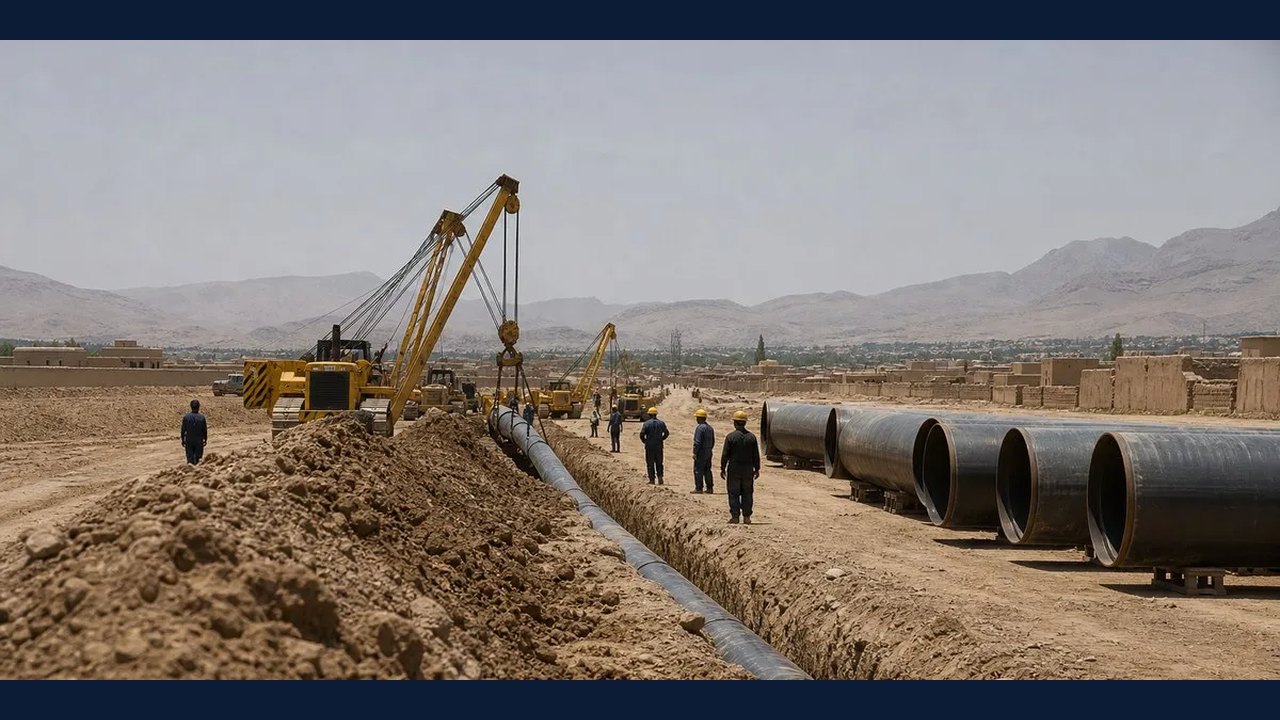
Image: OilPrice.com · Photo source · Resized and letterboxed to 16:9; no AI generation
Turkmenistan announced at an energy forum in Ashgabat in late October that the Turkmenistan-Afghanistan-Pakistan-India (TAPI) gas pipeline has reached the outskirts of Herat and is slated to be commissioned by the end of 2026. Satellite imagery from November 7 indicates construction activity approximately 22 kilometers west of Herat's industrial district, aligning with descriptions of a planned offtake station provided by the Taliban government.
Project Background and Recent Developments
- Scope: TAPI is a planned 1,800-kilometer pipeline designed to transport gas from Turkmenistan's Galkynysh fields to Afghanistan, Pakistan, and India.
- Cost and Funding: The initial phase to Herat has reportedly cost Ashgabat $600 million, out of a projected overall cost of up to $10 billion.
- Geopolitical Shifts: Analysts note that regional disruptions, including energy strains linked to conflict involving Iran and the closure of the Strait of Hormuz, may have renewed interest from Pakistan, whose ambassador to Turkmenistan stated Islamabad's commitment to the project at the October conference.
Local Impact and Construction Details
- Implementation: According to local sources cited by RFE/RL's Radio Azadi, construction work is conducted exclusively by Turkmen engineers and equipment, with Afghan personnel providing armed security.
- Challenges: Local witnesses reported construction difficulties, including navigating unexploded ordnance along the route.
- Local Reception: Residents in Herat expressed mixed reactions, ranging from optimism about potential relief from local gas and electricity shortages to concerns regarding transparent pricing and equitable access.
Future Outlook
Experts emphasize that while Turkmenistan has demonstrated a strong commitment to funding the initial sections as a source of national pride, securing external financial support from major international partners like China or Russia remains crucial for extending the pipeline southward toward Pakistan and India. Verification of the project's ongoing status can be pursued through official announcements from participating national energy authorities and updated satellite observation data.
AI-assisted reporting; source claims are attributed and have not been independently verified.
More to read
 Turkmenistan States TAPI Gas Pipeline Reaches Herat Outskirts
 Saint Lucia Biodiversity Genomics Project Shortlisted for Regional Grant Funding
 Statehouse Election Shifts Give Democrats New Path for Clean Energy Policies
 UK Inflation Trends: Energy Bill Increases and Consumer Price Shifts