Ukraine Urges Immediate Patriot Missile Deliveries Ahead of Winter
· GlobeWire Daily World Desk · Source: timesofindia.indiatimes.com
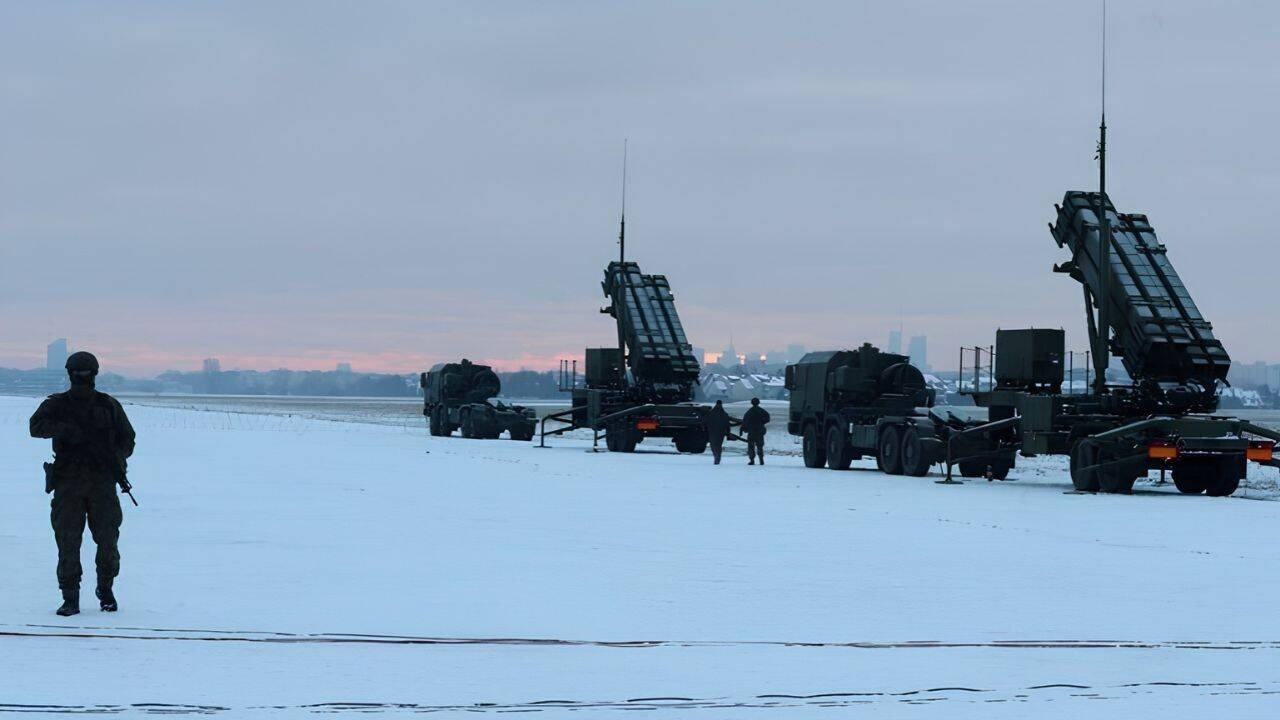
Image: The Times of India · Photo source · Resized and letterboxed to 16:9; no AI generation
Ukraine is racing to secure hundreds of Patriot air‑defence interceptors before the winter months, as Russian attacks on critical infrastructure intensify. President Volodymyr Zelenskyy welcomed a proposed $2.1 billion deal for 500 Patriot PAC‑3 interceptors but warned that deliveries could take years. Kyiv is asking its partners to release missiles from existing stockpiles immediately, arguing that the coming winter could leave millions of people vulnerable to Russian strikes on electricity, heating, water supply and transport networks.
The urgency stems from Ukraine’s limited ability to intercept Russian ballistic missiles. While the country has other air‑defence systems to counter drones and cruise missiles, Patriot systems remain among its few effective defences against fast‑moving ballistic weapons. Damage to power stations and heating infrastructure becomes particularly dangerous when temperatures fall below freezing, disrupting not only military operations but also civilian life.
In the first two weeks of October, more than 30 Russian strikes hit critical parts of Ukraine’s power grid. Zelenskyy has said Ukraine needs a stronger position during negotiations and must prevent Russia from breaking life in Ukrainian cities and communities. He has argued that this would only be possible if Kyiv had enough resources to defend itself.
Zelenskyy’s X post highlighted that 500 PAC‑3 interceptors could form a highly effective defence package “this winter,” but deliveries may begin only in a few years. He is asking for decisions that guarantee protection of lives “at the very moment the threat is there.”
Kyiv has requested a winter support package of 100 Patriot interceptors a month from its American partners. Zelenskyy proposed that the US and its partners supply Ukraine with interceptors from their existing stocks during the winter and replenish the arsenals in subsequent years through production already contracted and paid for by Ukraine and its partners.
Europe’s stockpile dilemma
Ukraine’s demand for Patriot missiles is putting pressure on European countries that have already supplied Kyiv with military equipment and financial assistance. Germany, one of Kyiv’s biggest military aid donors, has transferred Patriot systems and missiles to Ukraine. Berlin has supplied three systems from its military stocks and arranged two more through a deal under which the US would replenish the Bundeswehr. The Netherlands has also assembled the components for another complete system.
European governments are increasingly concerned about the availability of interceptors. Germany must balance Ukraine’s needs against the minimum stockpiles required to protect its own territory and meet its NATO commitments. Norwegian defence minister Tore O. Sandvik cautioned that placing the long‑term burden of military assistance on Europe is not sustainable.
The shortage primarily concerns Patriot PAC‑3 and PAC‑2 interceptors, which Ukraine relies on to counter Russian ballistic missiles. Kyiv is developing its own Freyja interceptor, but the system still requires investment, engineering work and testing before it can take on that role.
The war involving Iran has added pressure on US missile supplies, with Washington also seeking to replenish its own stocks. Asked about Zelenskyy’s calls for more Patriot missiles, President Trump said the US wants missiles too.
Pressure on Europe’s arsenals
The shortage has pushed Kyiv and its partners to look for interceptors across European military stockpiles. Countries such as Poland, Spain and Greece are among those facing pressure to contribute, but their willingness to release missiles varies according to their own defence requirements.
Poland confirmed in July that it had released several PAC‑3 interceptors following requests from NATO Secretary‑General Mark Rutte and senior US commanders. Polish media outlet Defence24 reported that only five missiles were transferred.
Spain’s Prime Minister Pedro Sánchez confirmed that Madrid was sending missiles to Ukraine, but the government has not disclosed their type or quantity. Greece has not announced any Patriot transfers.
Ukraine’s Foreign Minister Andrii Sybiha said Kyiv is struggling to buy, exchange or secure available interceptors amid rising demand in the Middle East and the need for the US and European countries to replenish their own supplies.
Economic strain
The pressure to sustain military assistance to Ukraine comes as European governments face economic challenges, including high energy costs and inflation. The disruption of Russian gas supplies following the invasion of Ukraine has forced several countries, particularly Germany, to rethink their energy arrangements and seek alternative sources.
For Russia, the challenge facing Ukraine and its European partners presents an opportunity. If Kyiv cannot secure enough interceptors before winter, Russian attacks on energy and civilian infrastructure could place further pressure on Ukraine’s ability to sustain essential services.
AI-assisted reporting; source claims are attributed and have not been independently verified.
More to read
 Ukraine Completes Share of New Missile Defense System, Awaits European Partner Components
 US Approves $2.1bn Sale of 500 Patriot Missiles to Ukraine Funded by European Allies
 Unai Emery Urges Focus Ahead of Aston Villa's Premier League Clash with Fulham
 How the War in Iran is Intensifying the US Energy Affordability Crisis Ahead of Winter
Trending on GlobeWire Daily
Selected from recent coverage and related topics; not live search rankings.
 Madhya Pradesh Government Plans Revenue Generation from 117-Year-Old Edward Villa in Mumbai Through Leasing
 iPhone 18 Pro Named TechRadar Product of the Year 2026
 Google Project Suncatcher Runs Gemma 4 AI on Orbiting Satellite and Receives First Response
 Gender Disparities in Eye Care Access Across India Examined
 Satellite Images Show Cyclone Arnab Weakening Over India As New System Brews
 Expanding Green and Blue Spaces Crucial for India's Economic and Public Health, Reports Indicate