Cleopatra's lead-based kohl may have helped ward off eye infections: Study
· GlobeWire Daily Science Desk · Source: timesofindia.indiatimes.com
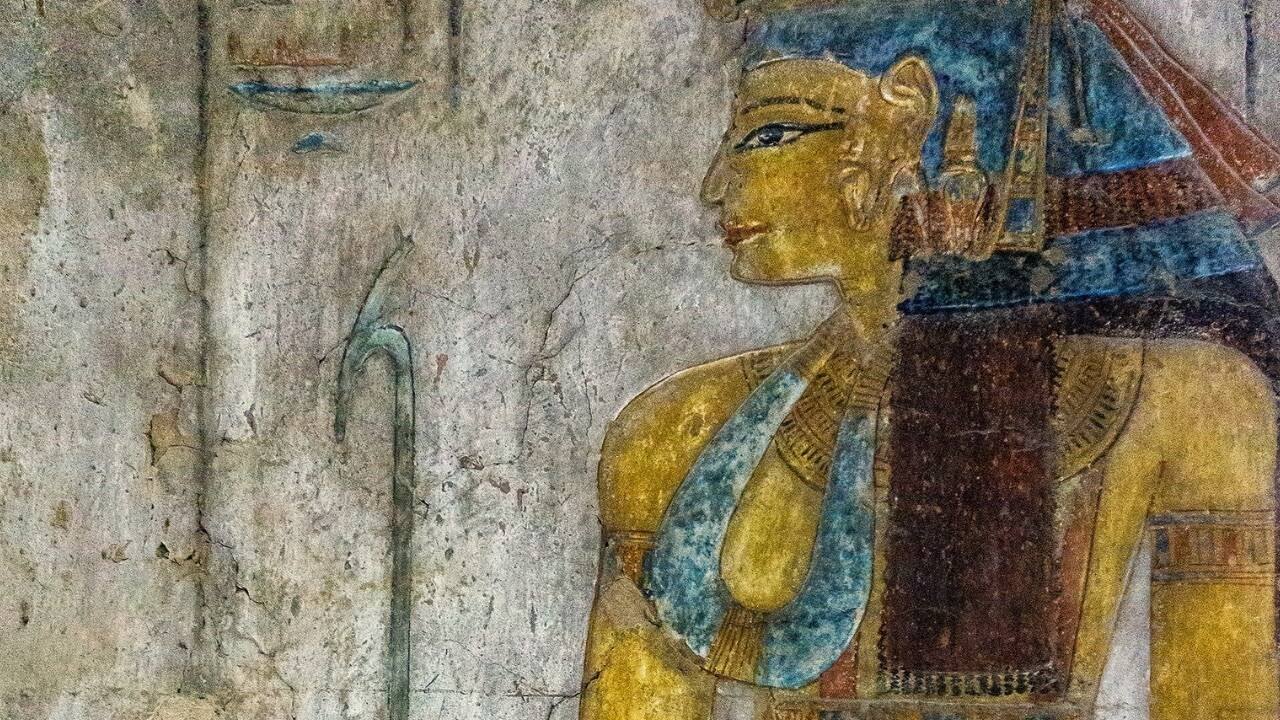
चित्र: The Times of India · चित्र स्रोत · Resized and letterboxed to 16:9; no AI generation
According to reports and scientific discussions surrounding ancient Egyptian beauty practices, research suggests that lead-based kohl used by historical figures like Cleopatra may have stimulated immune defences and helped ward off eye infections. While cosmetics were widely used across ancient Egyptian society for aesthetic, religious, and protective reasons, chemical analyses published in scientific journals have prompted new investigations into their potential medicinal roles.
The Dual Purpose of Ancient Cosmetics
Eye makeup in ancient Egypt was not limited to royalty; men and women across various social strata applied black and green powders. Beyond enhancing facial features, cosmetics were tied to spiritual beliefs, including divine protection associated with symbols like the Eye of Horus. Historical medical texts also indicate that preparations were often used for eye ailments, blurring the line between adornment and medicine.
Scientific Findings on Lead Compounds
Research published in the journal Analytical Chemistry examined ancient cosmetic samples containing lead compounds such as laurionite and phosgenite, which appear to have been deliberately synthesized. Key scientific observations include:
- Cellular Response: Laboratory experiments indicated that very low concentrations of lead ions could stimulate skin cells (keratinocytes) to produce nitric oxide.
- Immune Regulation: Nitric oxide plays a role in regulating immune responses and defending against certain disease-causing microorganisms.
- Laboratory vs. Real-World Effects: Researchers noted that while a biological reaction was observed in cultured cells under laboratory conditions, this does not automatically prove a direct health benefit when applied to the human body.
Practical Implications and Verification
While the findings offer an intriguing look at ancient pharmacology, experts emphasize caution in interpreting historical practices. The question of whether ancient Egyptians consciously understood the underlying chemistry remains unresolved, as traditional knowledge may have simply been passed down through generations. Readers interested in verifying these claims can consult the original study published in *Analytical Chemistry* or review archaeological reports detailing Egyptian cosmetic analysis. Always verify scientific claims through peer-reviewed literature rather than relying solely on popular summaries.
AI की सहायता से तैयार रिपोर्ट; मूल स्रोत के दावों की स्वतंत्र पुष्टि नहीं की गई है।
और पढ़ें
 शोधकर्ताओं ने छठे बौने ग्रह के संभावित उम्मीदवार ED138 की खोज की
 सामान्य एंटी-इंफ्लेमेटरी दवाएं फ्लू और कोविड वायरस को फैलाने में मदद कर सकती हैं: अध्ययन
 नए पहचाने गए पक्षी जैसे डायनासोर के फल खाने वाले पहले ज्ञात विशेषज्ञ होने की संभावना, अध्ययन में खुलासा
 बढ़ती उम्र की मांसपेशियां कोशिका क्षति रोकने के लिए ताकत का त्याग कर सकती हैं: अध्ययन
GlobeWire Daily पर चर्चित खबरें
हालिया खबरों और संबंधित विषयों पर आधारित चयन; लाइव सर्च रैंकिंग नहीं।
 मध्य प्रदेश सरकार मुंबई में 117 साल पुराने एडवर्ड विला को लीज पर देकर राजस्व जुटाने की योजना बना रही है
 आईफोन 18 प्रो को मिला टेकराडार प्रोडक्ट ऑफ द ईयर 2026 पुरस्कार
 गूगल प्रोजेक्ट सनकैचर: अंतरिक्ष में सैटेलाइट पर चला जेम्मा 4 एआई मॉडल, मिला पहला जवाब
 भारत में नेत्र देखभाल तक पहुँच में लैंगिक असमानता का विश्लेषण
 उपग्रह चित्रों से भारत में चक्रवात अर्नब के कमजोर होने और नए सिस्टम के उभरने का खुलासा
 भारत को समृद्ध बनाने के लिए हरित और जलीय क्षेत्रों का विस्तार आवश्यक: रिपोर्ट