AI Graveyard: The Rising Tide of Abandoned Projects
· GlobeWire Daily Editorial Desk · Source: techcrunch.com

Image: Lauren Forristal · Photo source · Resized and letterboxed to 16:9; no AI generation
The AI landscape is littered with projects that never reached their promised heights. Relay, an AI‑powered workflow tool that competed with Zapier, shut down in August after larger platforms integrated similar automation into their own suites. Character.ai, a chatbot platform that once attracted $150 million in funding, filed for bankruptcy in October after a series of legal and regulatory setbacks.
S&P Global Market Intelligence reports that roughly 42 % of corporate AI initiatives are ultimately abandoned. Reasons range from funding gaps and technical hurdles to fierce competition and weak user demand. The result is a growing “AI graveyard” of startups, products, and internal bets that have either pivoted, shut down, or failed to meet expectations.
Even tech giants are not immune. OpenAI’s attempt to turn ChatGPT into a “super app” in July 2024 was quickly rolled back after user backlash. The company has since folded several stand‑alone apps—ChatGPT Atlas, Operator, and its image‑generation tool DALL‑E—into the core ChatGPT experience. Microsoft’s Recall feature, pitched as a photographic memory for Windows PCs, faced privacy concerns and was delayed for nearly a year.
Hardware failures also add to the list. Humane’s AI Pin, raised $230 million, was shut down in February 2025 after performance issues and a battery‑fire warning. The Rabbit R1, a companion device unveiled at CES 2024, struggled with reliability despite early sales.
Other notable exits include Huxe (AI audio app), Yupp (model‑comparison playground), Figgs AI (customizable character platform), and Notion Mail (AI‑focused email). Each case underscores the challenges of sustaining niche AI products in a market dominated by large‑scale platforms.
Practical implications: Investors and developers should scrutinize funding models, scalability plans, and user retention metrics before committing to a standalone AI product. Verification of claims can be done by reviewing public filings, court documents, and credible industry analyses.
The AI graveyard is not just a list of failures; it is a learning ground. By studying why these projects fell short, the industry can better navigate the risks of building AI solutions that compete with entrenched ecosystems.
AI-assisted reporting; source claims are attributed and have not been independently verified.
More to read
 Hired Recruits Remote Content Review Associates for AI Projects
 Weekly Security Recap: Cloud Incidents, Hardware Implants, and Rising AI Threats
 How College Students Use Gemini for Studying, Organization, and Projects
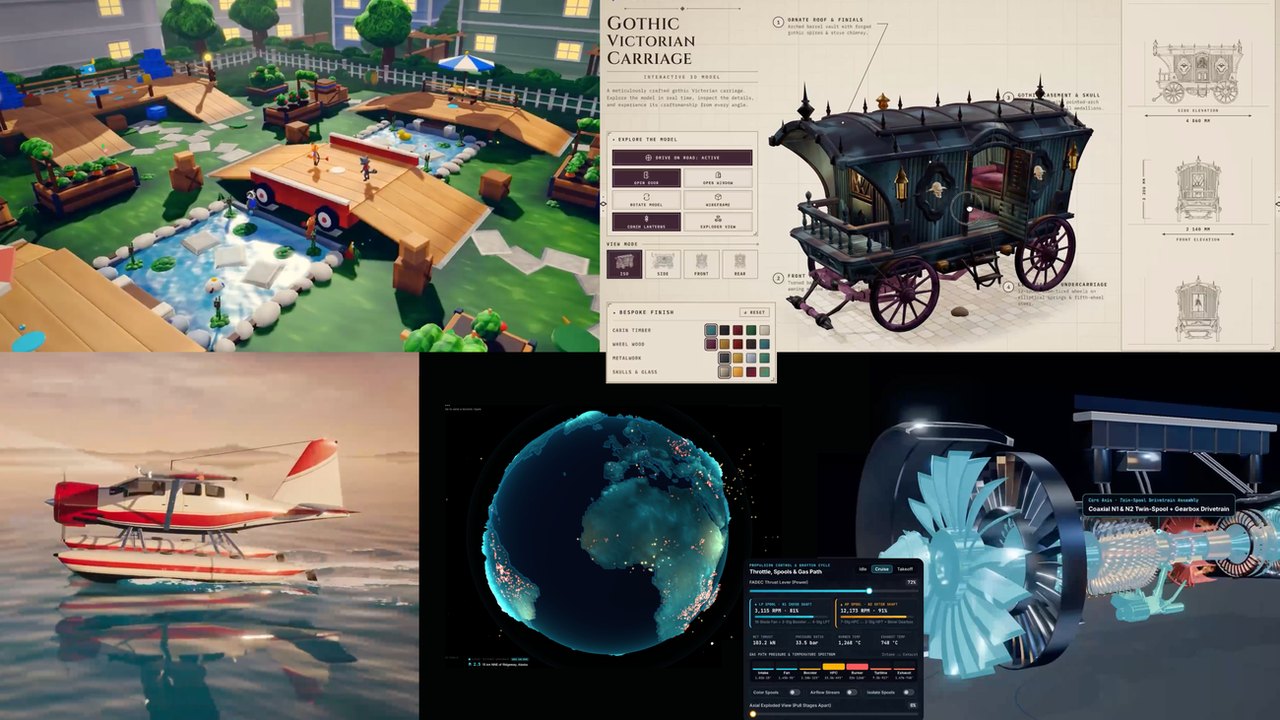 Google’s Gemini 4 Argon Powers Five Innovative 3D and Interactive Projects
Trending on GlobeWire Daily
Selected from recent coverage and related topics; not live search rankings.
 Madhya Pradesh Government Plans Revenue Generation from 117-Year-Old Edward Villa in Mumbai Through Leasing
 iPhone 18 Pro Named TechRadar Product of the Year 2026
 Google Project Suncatcher Runs Gemma 4 AI on Orbiting Satellite and Receives First Response
 Gender Disparities in Eye Care Access Across India Examined
 Satellite Images Show Cyclone Arnab Weakening Over India As New System Brews
 Expanding Green and Blue Spaces Crucial for India's Economic and Public Health, Reports Indicate