AI Models Disprove Key Computer Science Hypothesis, Impacting Decades of Research
· GlobeWire Daily Editorial Desk · Source: www.wired.com
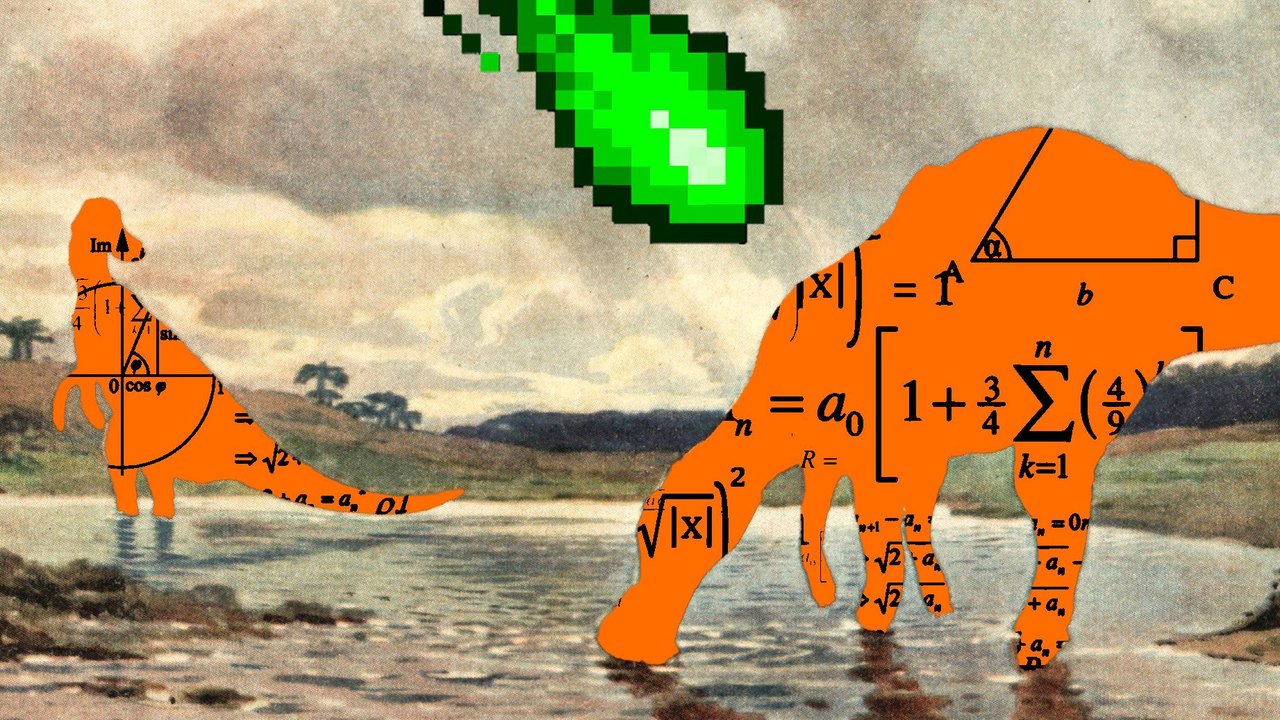
Image: Isabella Ward · Photo source · Resized and letterboxed to 16:9; no AI generation
Reports indicate that AI models from OpenAI and Anthropic claim to have disproved the exponential time hypothesis (ETH), a foundational premise in theoretical computer science. Researchers state that if confirmed, this development could impact decades of published work and ongoing studies that rely on the assumption that solving certain computational problems requires exponentially increasing effort.
Overview of the Reported AI Findings
- Hypothesis Targeted: Both companies reported disproving the exponential time hypothesis (ETH), which underpins complexity and algorithm design.
- Publication Format: The AI-produced proofs have been published on GitHub in natural language and the Lean machine-checkable format.
- Academic Reaction: Researchers are currently reviewing the materials, though independent verification is still pending.
Potential Impacts on Research and Cryptography
- Academic Literature: Scholars note that numerous published papers and ongoing research projects may need to be revisited or could become obsolete if the proof holds.
- New Avenues: Some academics express optimism, suggesting that disproving ETH opens up previously abandoned problem-solving directions.
- Security Implications: Experts suggest that while immediate web security cryptography is not directly broken, cryptosystem designers may need to re-evaluate underlying assumptions.
Verification and Next Steps
Because the proofs are extensive and complex, the academic community has initiated efforts to unpack and evaluate the findings. OpenAI has reportedly asked original hypothesis proposers and other academics to help rally researchers, alongside plans for volunteer coordination and feedback forms. Observers emphasize that thorough independent peer review is essential before any long-term conclusions can be integrated into standard computer science frameworks.
AI-assisted reporting; source claims are attributed and have not been independently verified.
More to read
 Microsoft Research AI for Science Releases BioEmu2 Foundation Model for Biomolecular Structure and Dynamics
 Frontier AI Labs Claim Models Refuted Exponential Time Hypothesis: What It Means
 US Computer Science Enrolment Declines Amid AI Industry Shifts
 OpenAI Models Advance Scientific Research in Mathematics and Physics
Trending on GlobeWire Daily
Selected from recent coverage and related topics; not live search rankings.
 Madhya Pradesh Government Plans Revenue Generation from 117-Year-Old Edward Villa in Mumbai Through Leasing
 iPhone 18 Pro Named TechRadar Product of the Year 2026
 Google Project Suncatcher Runs Gemma 4 AI on Orbiting Satellite and Receives First Response
 Gender Disparities in Eye Care Access Across India Examined
 Satellite Images Show Cyclone Arnab Weakening Over India As New System Brews
 Expanding Green and Blue Spaces Crucial for India's Economic and Public Health, Reports Indicate