Can AI Data Centers Be Mass-Produced Like Cars? This Startup Aims to Find Out
· GlobeWire Daily Editorial Desk · Source: techcrunch.com
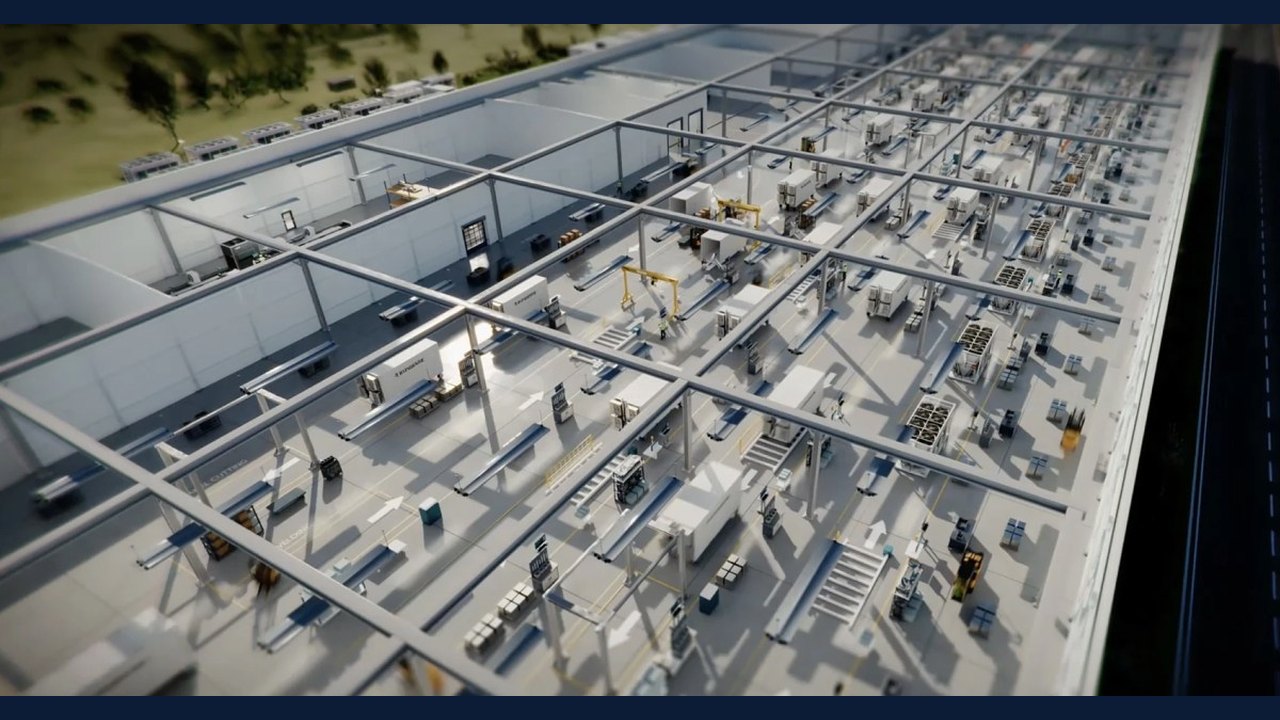
Image: Dominic-Madori Davis · Photo source · Resized and letterboxed to 16:9; no AI generation
Introduction to Factory-Built AI Infrastructure
AI infrastructure company Runware has announced plans to scale the production of modular data centers, aiming to manufacture them on an assembly line similar to automobiles. Following its earlier introduction of the Sonic Inference Pod, the company reports it is expanding manufacturing capabilities at its facilities in Romania.
Industry peers such as Crusoe and Schneider Electric, along with chipmakers like Nvidia with its Vera Rubin AI factories and DSX POD, are also pursuing faster deployment methods. However, Runware states that it utilizes dedicated factory lines to assemble its units prior to shipping.
Production Targets and Timeline
According to Runware co-founder and CEO Flaviu Radulescu, the company plans to:
- Scale capacity: Reach 30 megawatts of data center capacity per day by 2028, translating to nearly 1 gigawatt per month.
- Expand facilities: Open its second factory early next year, having utilized an initial facility for the past few years.
- Deployment speed: Aim for a 48-hour window for on-site installation and setup once delivered.
Customization and Operational Model
Runware reports that its pods can be configured to accommodate various hardware requirements and the latest GPU chips. Customers may supply their own GPUs or rent compute resources directly from Runware, paying a monthly fee for the pods and operations while power and internet are billed separately.
Manufacturing Challenges and Cost Structure
Scaling hardware production involves significant supply-chain logistics, inventory management, and labor. Industry observers often point to cautionary examples like electric vehicle startup Arrival, which faced high costs when attempting to mass-produce vehicles.
Runware reports it has raised over $60 million to date, relying primarily on a $50 million Series A round from last December while planning a future Series B. Radulescu stated that the company's cost structure differs from traditional automotive plants due to affordable standard components and lower relative headcount costs, alongside the hiring of a plant manager with automotive industry experience.
Resource Consumption and Environmental Claims
Data center energy and resource consumption remain subject to scrutiny. Runware claims its pods:
- Utilize a closed-loop liquid cooling system with air-cooled radiators, requiring no external water connection.
- Run quietly up to 86 degrees Fahrenheit.
- Rely on renewable energy sources whenever possible, with ongoing efforts to expand energy provider networks.
How to Verify
Readers can review original announcements directly through technology industry news reports, official company press releases, and filings related to Runware's funding rounds and infrastructure deployments.
AI-assisted reporting; source claims are attributed and have not been independently verified.
More to read
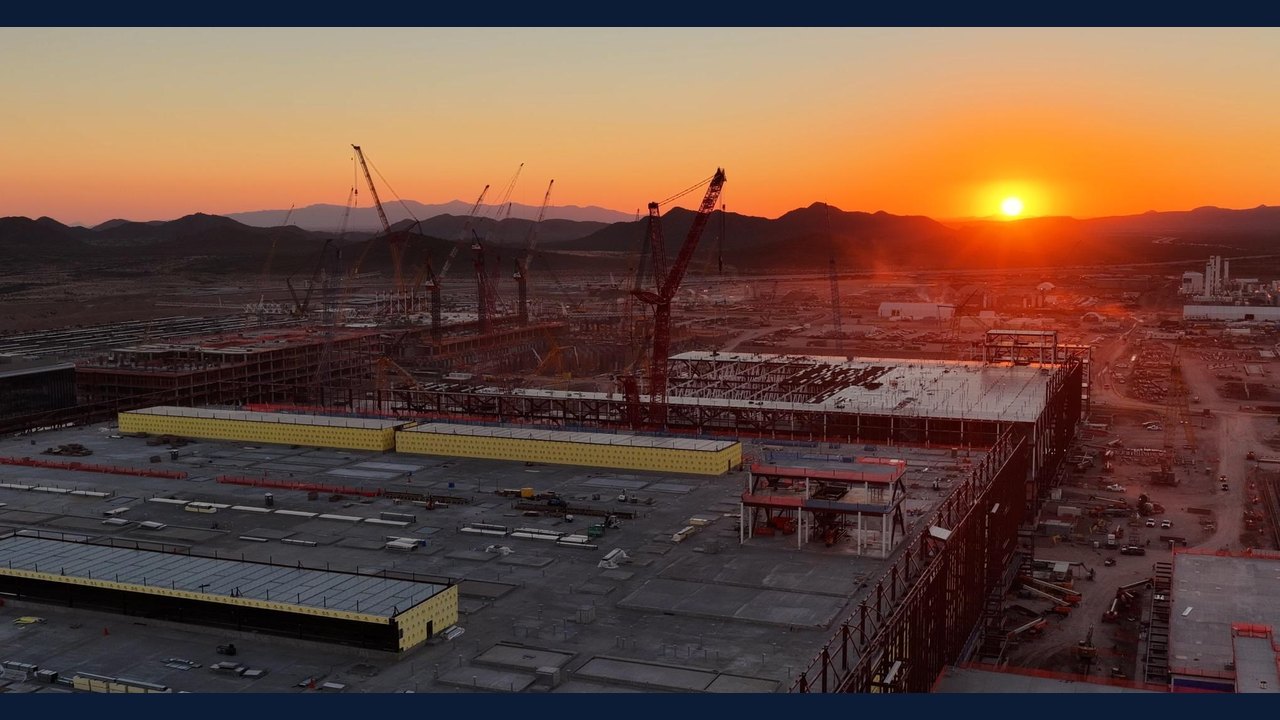 Arizona's Water Crisis Sparks Fierce Backlash Against New Data Centers
 Data centers emerge as a midterm election flashpoint even in Brooklyn
 What Canadians Can Expect from the Developing 'Super' El Niño This Winter
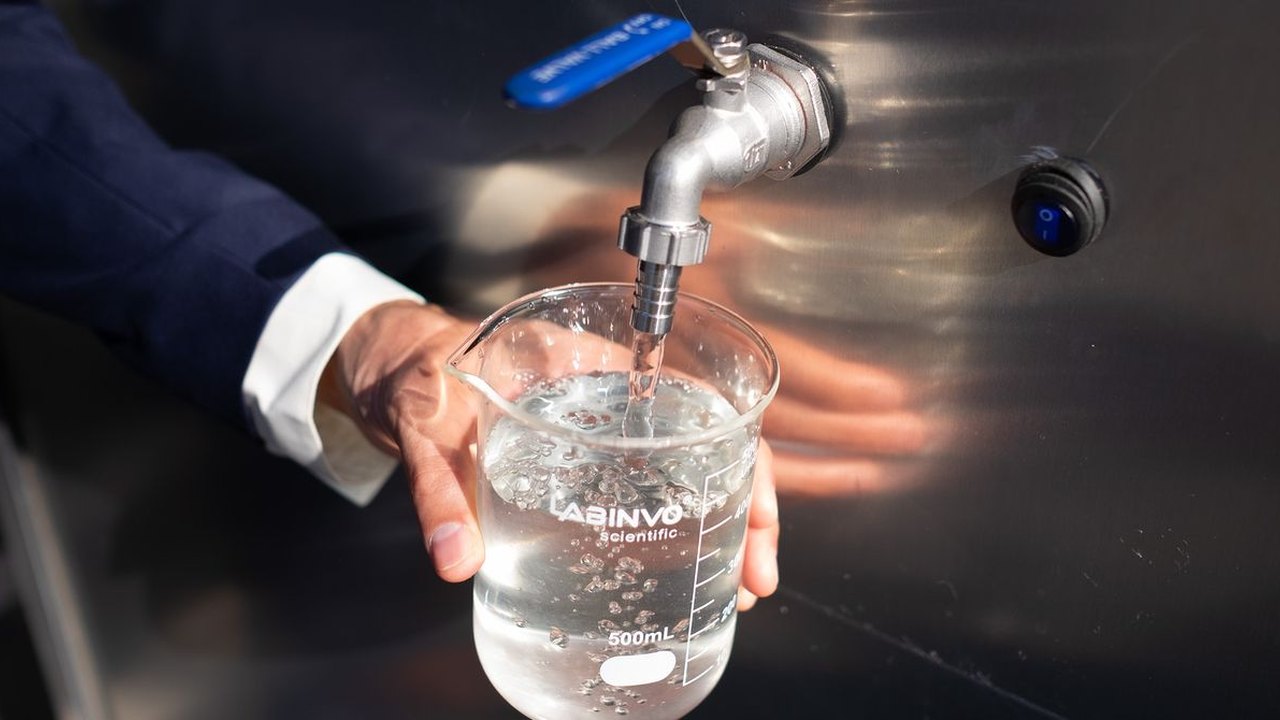 Startup Atoco Uses Data‑Center Waste Heat to Pull Water from Air with MOF Technology
Related coverage
Related reporting available at publication.
Arizona's Water Crisis Sparks Fierce Backlash Against New Data CentersData centers emerge as a midterm election flashpoint even in BrooklynWhat Canadians Can Expect from the Developing 'Super' El Niño This WinterStartup Atoco Uses Data‑Center Waste Heat to Pull Water from Air with MOF Technology Buyers Edge Platform Appoints Sam Peterson as Chief Technology Officer to Advance AI-Driven Innovation
 UK Government Plans AI Unit and Military Support Following Record Wildfires