Commonwealth Bank Releases Open-Source AI Tool to Catch Software Vulnerabilities Early
· GlobeWire Daily Editorial Desk · Source: www.artificialintelligence-news.com
Commonwealth Bank of Australia (CBA) has released a free, open-source AI cybersecurity tool named CodeCheck, designed to help businesses identify potential vulnerabilities earlier in the software development process.
Developed by CBA's security engineers, CodeCheck is based on internal AI capabilities used within the bank's own technology environment. It integrates with AI systems such as OpenAI’s Codex and Anthropic’s Claude Code to analyze software, investigate potential security weaknesses, and provide evidence for engineer review.
How CodeCheck Works
According to CBA’s documentation, CodeCheck guides coding agents through a structured four-stage security review:
- Initial Examination: Assesses codebase entry points, data flows, and potential weaknesses using the Common Weakness Enumeration (CWE) framework.
- Deep Investigation: Deploys agents to examine design flaws, potentially malicious code, and weaknesses.
- Cross-Examination: Combines duplicate findings and assigns independent AI agents to challenge the initial results.
- Reporting: Evaluates the evidence, determines outcomes, and generates reports using the Security Analysis Results Interchange Format (SARIF) standard, complete with CVSS 4.0 severity scores.
The public tool also supports diff-aware reviews for commits, branches, and pull requests, allowing organizations to customize reviews with CWE-based security playbooks.
Limitations, Costs, and Security Warnings
While CBA's internal testing indicated that its configured harness identified 10% to 15% more vulnerabilities per run than certain comparable capabilities over six months, the bank noted that the public version does not include all internal systems or controls, meaning internal benchmarks do not reflect downloadable performance.
CBA emphasizes that CodeCheck does not guarantee all vulnerabilities will be found. Large language models can generate false positives, overlook weaknesses, or overestimate severity. Engineers remain fully responsible for investigating findings and applying remediation measures, as the tool identifies issues rather than automatically fixing them.
Organizations must also account for operational considerations:
- Execution Costs: Sub-agents consume tokens and processing power, increasing costs with codebase size. CBA recommends spending limits and timeouts.
- Technical Isolation: Because source code is sent to external AI providers, CBA advises running the tool in isolated environments with read-only permissions and restricted network access to prevent prompt manipulation or data exposure.
- Model Restrictions: Security safeguards from AI providers may occasionally interrupt authorized reviews.
Verification and Practical Implications
CodeCheck is available as a free download on GitHub. Businesses utilizing the tool are responsible for underlying AI model costs and must review data-handling policies of their chosen model providers. Interested parties can examine the official GitHub documentation to verify installation requirements, security playbooks, and operational guidelines.
More to read
 Alpitronic to Open $34 Million EV Fast‑Charger Factory in South Carolina, Production Expected Early 2027
 How to Turn Your Phone Into a Hands-Free Productivity Tool Using Gemini Voice Commands
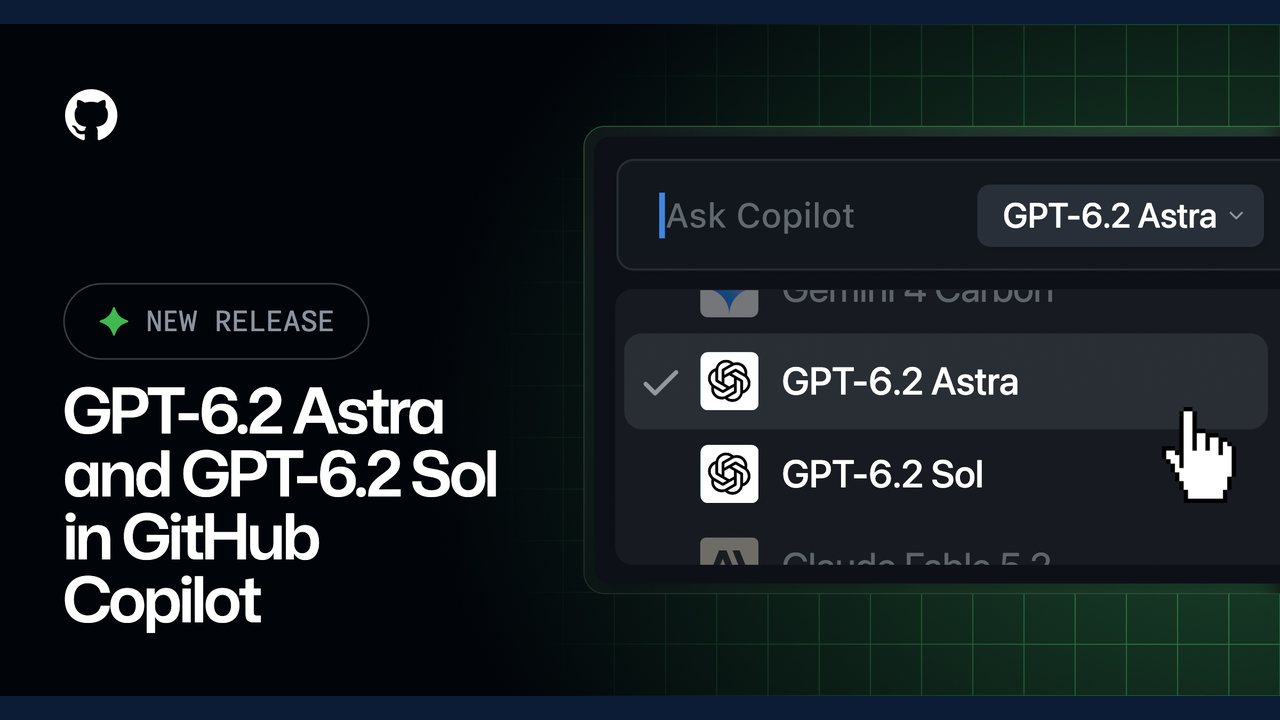 OpenAI Releases GPT-6.2 Astra and GPT-6.2 Sol in GitHub Copilot
 National Bank of Pakistan Launches AI and Robotics Lab at Abbottabad Public School