How AI Drones Are Influencing the Ukraine War
· GlobeWire Daily Editorial Desk · Source: www.npr.org

Original GlobeWire Daily editorial illustration — not an event photograph.
Artificial intelligence is increasingly shaping the technological landscape of the conflict in Ukraine, with local defense firms developing autonomous drone systems to counter Russian forces. Entrepreneurs and military developers report that AI integration provides a crucial asymmetric advantage on the battlefield.
The Shift to Autonomous Systems
Following the 2002 invasion, several Ukrainian tech founders pivoted from commercial technology to defense manufacturing. Yaroslav Azhnyuk, who previously founded the pet-monitoring camera company Petcube, now runs defense firms including The Fourth Law and Odd Systems. His companies produce autonomous first-person-view (FPV) drones, such as the Lupynis-10-TFL-1, which are currently utilized by dozens of Ukrainian military units.
- Terminal Guidance: The Lupynis TFL-1 combines an affordable FPV drone with an onboard computer and AI technology that takes control during the final 500 meters of flight.
- Target Recognition: Microcomputers running deep-learning neural networks use combat footage to identify vehicles, light-armored vehicles, tanks, and flying objects.
- Jamming Resistance: Developers note that AI-enabled guidance helps drones maintain course even when traditional pilot signals face electronic interference.
Operational Mechanics and Safeguards
During tests observed outside Kyiv, drone operators navigate the aircraft manually before selecting a target on a video monitor. Once a lock is secured, the pilot releases the controls, and the onboard microcomputer runs algorithms to guide the drone autonomously to the target.
Developers emphasize that human oversight remains central to current operations. Pilots explicitly select targets, and representatives maintain that the systems are designed with safeguards rather than operating as independent killer robots. However, industry leaders acknowledge that adversaries are deploying similar high-tech capabilities, driving a fast-paced technological arms race.
Broader Concerns and Future Implications
The rapid evolution of battlefield AI has raised ethical concerns globally. Ukrainian President Volodymyr Zelenskyy has previously warned about the potential for AI to make autonomous decisions on the battlefield. While acknowledging these broader ethical debates, Azhnyuk argues that defensive deployment is vital for survival against faster, automated adversary systems.
- Verification: Readers can review original reporting and audio broadcasts through public international media archives such as NPR.
- Context: Industry participants stress that current battlefield systems function as specialized image-recognition tools rather than self-aware general intelligence.
AI-assisted reporting; source claims are attributed and have not been independently verified.
More to read
 Developments in the Russia-Ukraine Conflict: Drones, Frontline Conditions, and Diplomatic Tensions
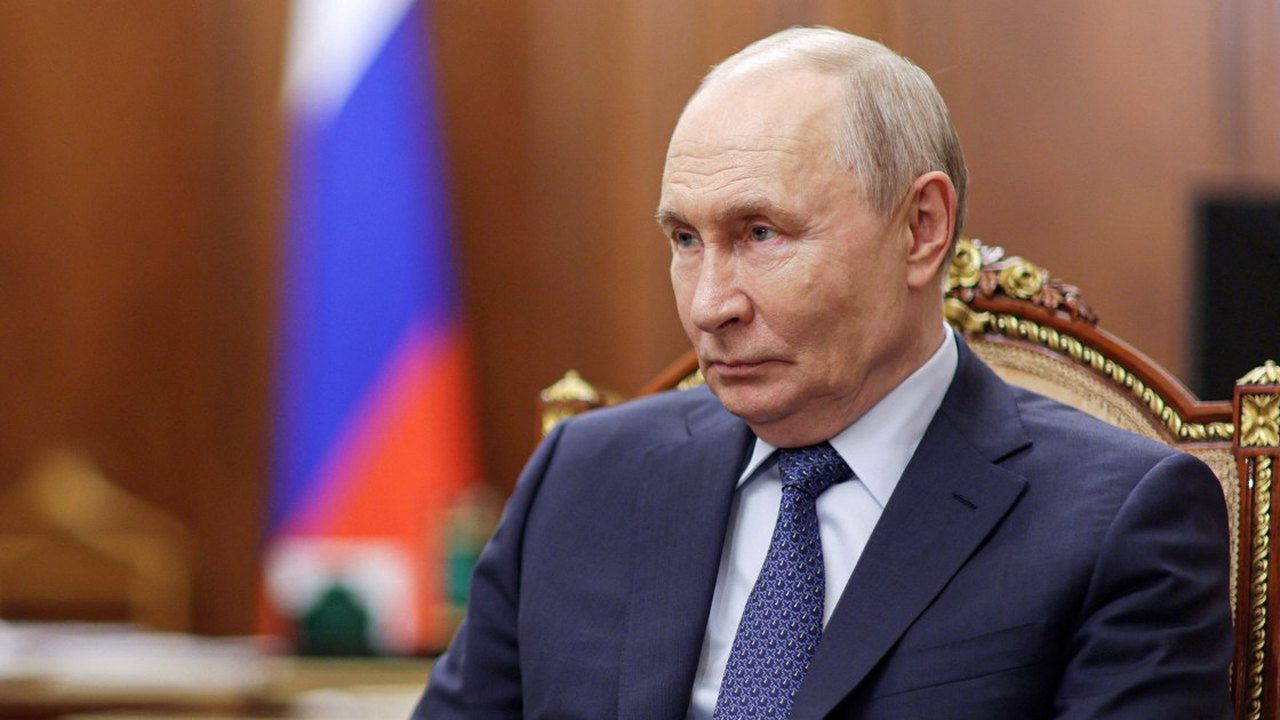 Finland and Norway Break Western Norm by Directly Phone Putin to Urge End to Ukraine War
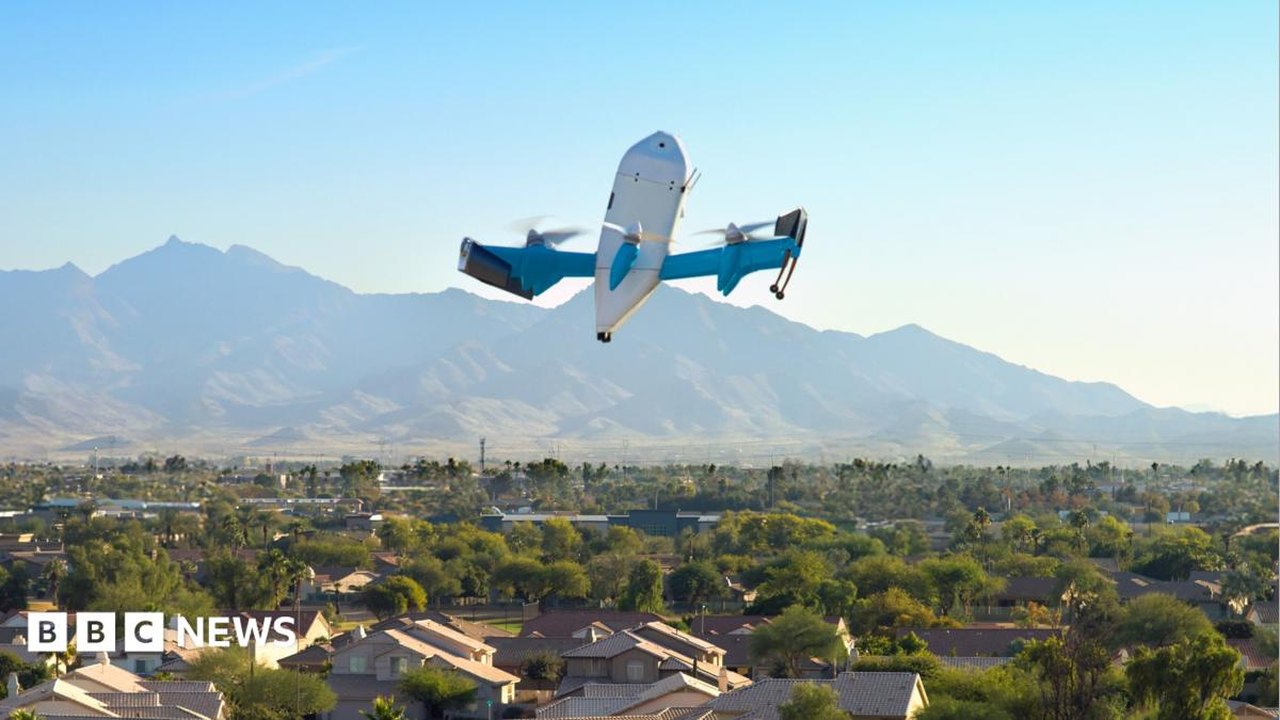 The search for silence: Why delivery drones are creating a noise controversy
 Russian IT Specialist Sentenced for Financing Ukraine War Effort via Binance Data
Related coverage
Related reporting available at publication.
Developments in the Russia-Ukraine Conflict: Drones, Frontline Conditions, and Diplomatic TensionsFinland and Norway Break Western Norm by Directly Phone Putin to Urge End to Ukraine WarThe search for silence: Why delivery drones are creating a noise controversyRussian IT Specialist Sentenced for Financing Ukraine War Effort via Binance Data Google Reports Five-Year Peak in Search Query Growth Driven by AI
 Navigating Google's Gemini AI Lineup: Which Model Should You Use?