Open‑Source ‘It’s a Plan’ Offers Self‑Hosted Project Management with AI Agents
· GlobeWire Daily Editorial Desk · Source: github.com
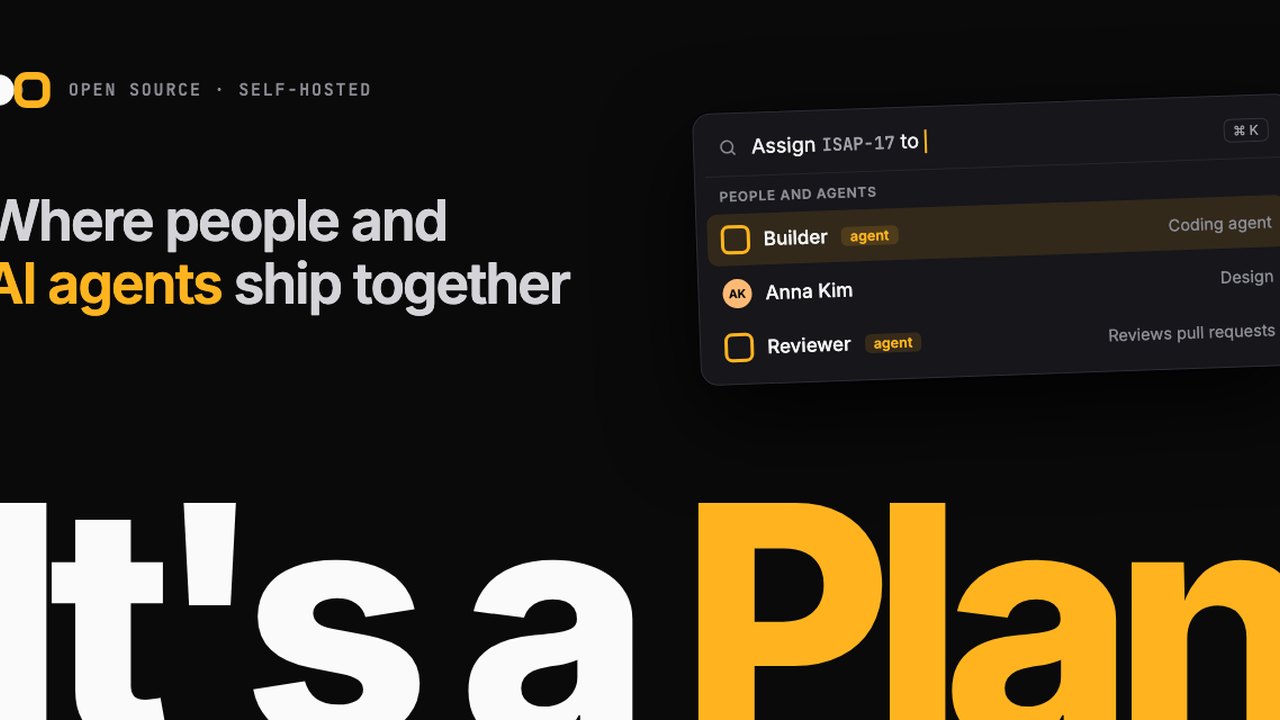
Image: github.com
Overview
The GitHub project It’s a Plan (croffasia/itsaplan) positions itself as a free, self‑hosted alternative to commercial tools such as Linear, Jira, Asana, Trello, Plane and Miro. According to the repository’s README, the platform combines traditional issue‑tracking features with the ability to add AI agents that act as teammates on the same boards.
---
Confirmed Capabilities
- Core project‑management functions – projects, boards, cycles, custom fields, dashboards, Kanban/table/timeline/calendar views, subtasks, checklists, attachments, issue linking, comment threads, and role‑based access control.
- AI‑agent integration – agents receive roles, permissions, and an assignee slot, allowing them to take issues just like human users. Agents can be run internally (configured on the instance) or externally (via the `@itsaplan/runner` package) and can invoke tools such as Claude Code, GitHub Copilot CLI, or custom commands.
- API and automation – a full REST API with OpenAPI spec, outgoing webhooks, and an MCP server for external assistants to read or modify issues.
- Collaboration extensions – built‑in chat per agent, markdown‑based documentation pages, free‑form sticky‑note canvases, and integrations with services like Notion, Telegram, Threads, Instagram, Jina, Firecrawl, Gitea, and GitHub.
- Deployment flexibility – one‑click deployment templates for Railway, Coolify, Kubernetes (Helm chart), or manual Docker‑Compose setups. A local‑only mode runs on `http://localhost:3001` without a domain or reverse proxy.
- Licensing model – the community edition is released under AGPL‑3.0 (with the `runner` package under Apache‑2.0). A commercial licence is offered for organizations that cannot use AGPL, and a paid “Pro” tier unlocks additional features while keeping the same unlimited‑seat policy.
---
Reported Claims (as Stated by the Repository)
- The platform is “no per‑seat fees, no lock‑in.” This claim reflects the open‑source nature of the software, but actual cost of hosting (cloud, hardware, maintenance) is not covered in the repo.
- “Agents work here like any teammate.” The README describes agents having roles, permissions, and an assignee slot, but performance or reliability of AI agents is not quantified.
- The project is “under active development” and may experience breaking changes before a stable release. No version number or release schedule is provided.
---
Practical Implications for Teams
- Cost control – Organizations can avoid per‑user licensing fees by self‑hosting, though they must provision their own infrastructure and manage updates.
- Data sovereignty – All data (issues, documents, attachments) resides on the organization’s servers, which can satisfy strict compliance requirements.
- AI‑augmented workflows – Teams can automate routine triage, generate draft documentation, or run code‑generation tools directly from issue comments, potentially accelerating development cycles.
- Customization – Custom fields, labels, and workflow states are configurable per project, allowing the tool to adapt to software development, marketing, sales, or research processes.
- Community support – Contributions are accepted via pull requests; the repo includes a `CONTRIBUTING.md` and a Code of Conduct, indicating an open development model.
---
How to Verify the Announcement
- Visit the source repository – <https://github.com/croffasia/itsaplan>. The README and `docs/` folder contain the feature list reproduced above.
- Check the license files – `LICENSE` (AGPL‑3.0) and `packages/runner/LICENSE` (Apache‑2.0) confirm the licensing claims.
- Review the release tags – As of the latest commit, the project has not yet marked a stable release; tags can be inspected to gauge development cadence.
- Test a deployment – Follow the one‑click Railway template or the Docker‑Compose instructions to spin up a local instance and explore the UI, API, and agent runner.
- Validate AI‑agent behavior – After deployment, configure an internal agent (e.g., Claude Code) via the provided `runner` package and observe issue assignment and chat interactions.
---
Limitations & Unknowns
- Stability – The repository warns of breaking changes before a stable release; production use may require careful version pinning.
- Performance metrics – No benchmarks or scalability data are provided, so organizations should conduct their own load testing.
- Security audit – While a `SECURITY.md` file outlines a private vulnerability reporting process, an independent security audit has not been published.
- Feature parity – The claim of replacing tools like Jira or Miro is aspirational; feature completeness relative to those platforms has not been independently verified.
---
Outlook
If the project reaches a stable release and the community continues to contribute, It’s a Plan could become a viable self‑hosted option for teams seeking to blend traditional project management with AI‑driven automation, especially where data privacy and cost are primary concerns.
---
*This article is based solely on information publicly available in the GitHub repository for It’s a Plan (croffasia/itsaplan). No original reporting or interviews were conducted.*
AI-assisted reporting; source claims are attributed and have not been independently verified.
More to read
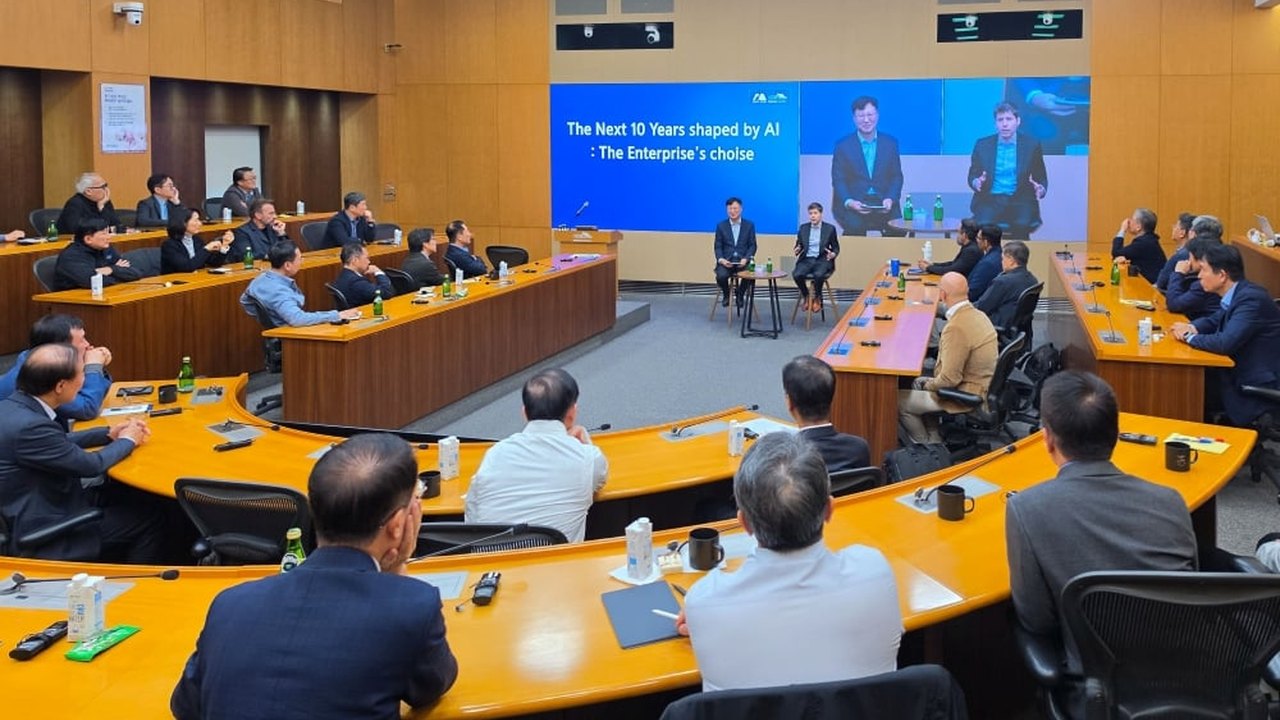 OpenAI CEO Sam Altman Meets Samsung Executives in South Korea to Discuss AI and Infrastructure
 Experts Evaluate Anthropic's Warnings on Self-Replicating AI and Botnet Risks
 University of Phoenix White Paper Examines AI Skills Gaps and Workforce Retention in Rural Communities
 Google, OpenAI, and Anthropic Commit to Unified AI Scraping Controls via New Robots.txt Directive
Trending on GlobeWire Daily
Selected from recent coverage and related topics; not live search rankings.
 Pakistan Prime Minister Faces Social Media Scrutiny Following Hong Kong Sixes Win
 Delhi Cyber Cell Investigates High School Student Over 17 Lakh Life Certificate Fraud APK
 South Africa Seal Test Series Against Australia in Cape Town
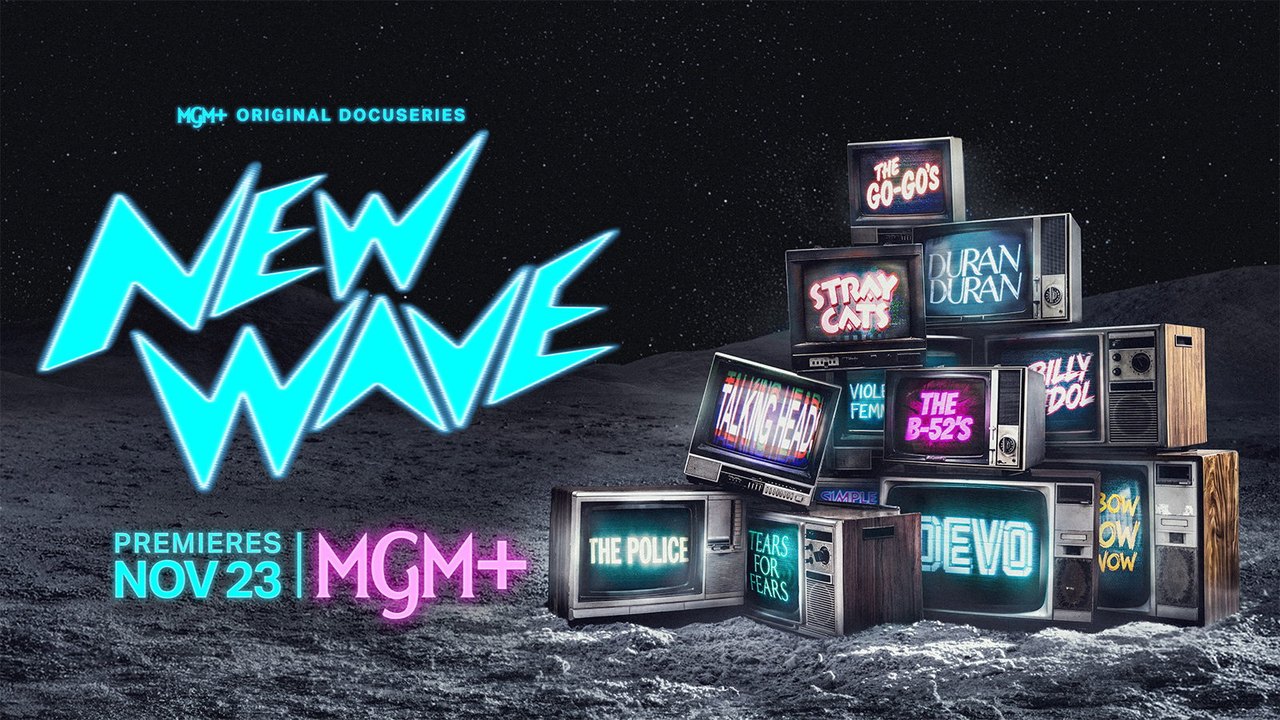 MGM+ Announces Four-Part Documentary Series 'New Wave' Detailing Music Evolution from 1977 to 1987
 South Africa Dethrones Australia to Claim ICC Men's Test Team Rankings SummitOpenAI CEO Sam Altman Meets Samsung Executives in South Korea to Discuss AI and Infrastructure