University of Phoenix White Paper Examines AI Skills Gaps and Workforce Retention in Rural Communities
· GlobeWire Daily Editorial Desk · Source: www.prnewswire.com

Image: University of Phoenix
The University of Phoenix College of Doctoral Studies has published a white paper addressing artificial intelligence skill development and workforce retention challenges in rural communities. Titled *“Bridging the Rural AI Skills Gap: Overcoming Informal Adoption, Resource Constraints, and Career Pathway Traps,”* the paper was authored by Dr. Stella Smith, associate university research chair for the Center for Educational and Instructional Technology Research (CEITR).
Insights on Informal AI Adoption
Drawing on findings from the University of Phoenix Career Institute’s 2026 Career Optimism Index® study and broader workforce research, the white paper explores how independent technology learning intersects with organizational readiness. According to national survey data cited in the research:
- 50% of workers report learning to use artificial intelligence independently without formal employer training.
- 60% of workers indicate a desire for more guidance in learning AI tools.
- 62% of employers note that employees are developing AI competencies faster than organizations can adapt.
- 48% of employers express concern regarding their ability to retain AI-fluent talent.
The publication highlights that these dynamics can become particularly pronounced in rural labor markets. These regions often feature a high concentration of small and medium-sized businesses, healthcare organizations, agricultural enterprises, and public institutions that may lack dedicated training resources or the infrastructure required to support organization-wide technology adoption.
Identified Challenges for Rural Labor Markets
Dr. Smith’s analysis points to three primary structural challenges facing rural workers and employers:
- Reliance on self-directed learning: Workers frequently build capabilities informally without institutional recognition or standardized training.
- Organizational constraints: Smaller employers often lack the resources to implement formal evaluation frameworks or structured professional development.
- Limited local career pathways: A lack of clear professional advancement opportunities locally may prompt AI-fluent workers to seek remote positions or employment outside their communities.
Uncoordinated adoption can also introduce secondary challenges, including inconsistent workplace practices, data governance concerns, and missed opportunities to properly evaluate and leverage employee capabilities.
Proposed Strategies and Recommendations
To help mitigate these gaps, the white paper outlines a three-part roadmap for employers, educational institutions, and regional workforce organizations:
- Build regional collaborations: Encourage local businesses, higher education providers, and workforce groups to pool training resources and develop accessible, stackable credentials.
- Establish transparent career pathways: Clarify expectations for technology use, identify existing employee capabilities, and connect skills development to defined professional growth opportunities.
- Equip managers for guidance: Prepare supervisors to identify appropriate tool applications, evaluate AI-assisted work, and mentor employees.
The full white paper is accessible through the University of Phoenix Research Hub. Readers interested in verifying the original announcement or exploring the underlying research methodology can visit the University of Phoenix newsroom or review the 2026 Career Optimism Index® study documentation.
AI-assisted reporting; source claims are attributed and have not been independently verified.
More to read
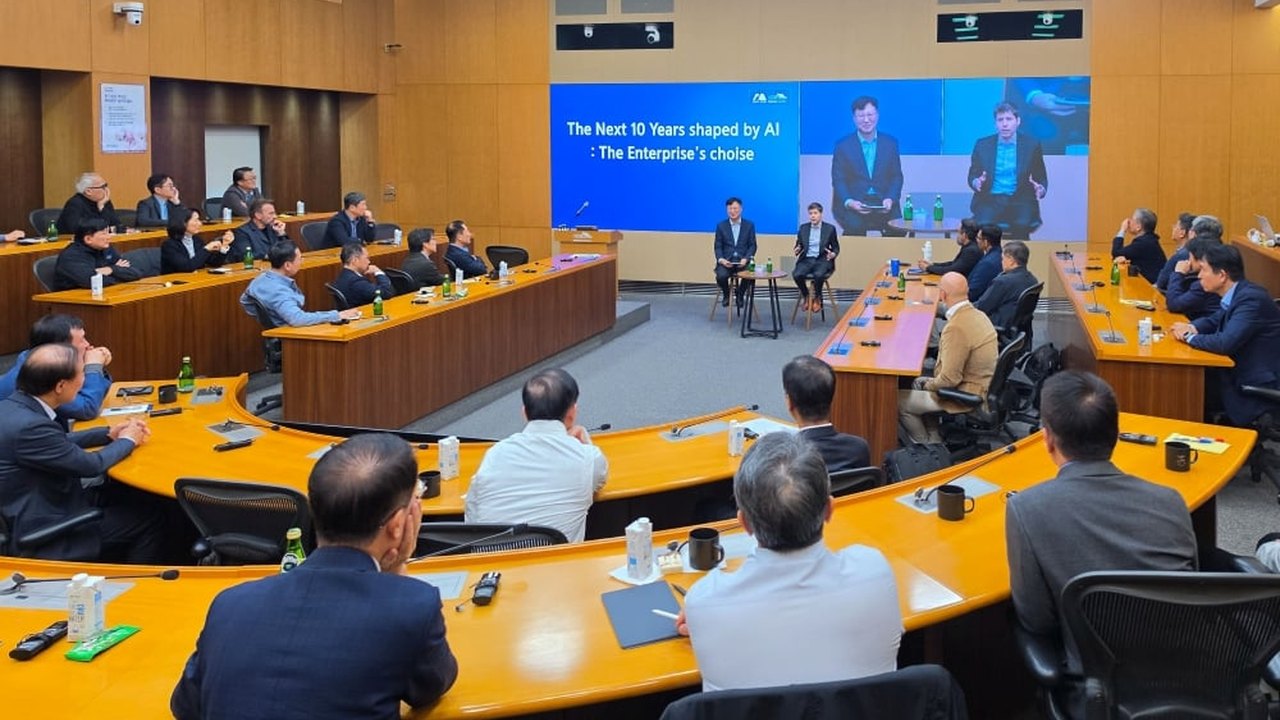 OpenAI CEO Sam Altman Meets Samsung Executives in South Korea to Discuss AI and Infrastructure
 Experts Evaluate Anthropic's Warnings on Self-Replicating AI and Botnet Risks
 Google, OpenAI, and Anthropic Commit to Unified AI Scraping Controls via New Robots.txt Directive
 NVIDIA Releases SkillSpector Security Scanner for AI Agent Skills
Trending on GlobeWire Daily
Selected from recent coverage and related topics; not live search rankings.
 Pakistan Prime Minister Faces Social Media Scrutiny Following Hong Kong Sixes Win
 Open‑Source ‘It’s a Plan’ Offers Self‑Hosted Project Management with AI Agents
 Delhi Cyber Cell Investigates High School Student Over 17 Lakh Life Certificate Fraud APK
 South Africa Seal Test Series Against Australia in Cape Town
 MGM+ Announces Four-Part Documentary Series 'New Wave' Detailing Music Evolution from 1977 to 1987
 South Africa Dethrones Australia to Claim ICC Men's Test Team Rankings Summit