Teen Developer Aditya Yadav Builds AI System EcoForce to Detect Well Water Contaminants Using Limited Data
· GlobeWire Daily Editorial Desk · Source: timesofindia.indiatimes.com
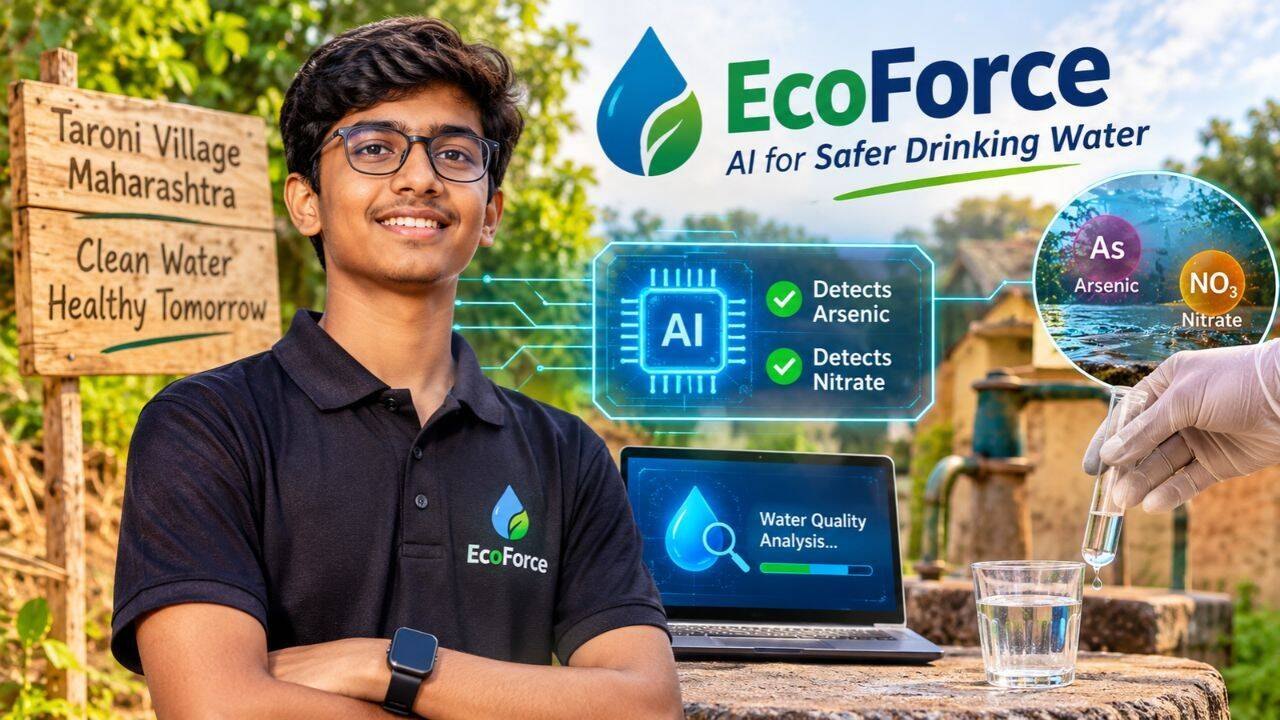
Image: The Times of India · Photo source · Resized and letterboxed to 16:9; no AI generation
Aditya Yadav, a seventeen-year-old developer from Taroni village in Maharashtra, has created an artificial intelligence system named EcoForce designed to detect contaminants such as arsenic and nitrate in village wells using limited real-world data. The initiative recently earned him a place on the Diana Award's 2026 Roll of Honour.
Addressing Rural Groundwater Challenges
Groundwater is vital for rural households, but contaminants like arsenic and nitrate are often undetectable by appearance, taste, or smell. Traditional testing requires laboratory equipment, which can be challenging for communities with limited access to such facilities. Yadav founded EcoForce to explore whether artificial intelligence could make contamination detection more accessible even when extensive datasets are unavailable.
How the AI Model Functions
Machine-learning models typically require large datasets to identify patterns. To overcome data scarcity in smaller villages, EcoForce uses physics-based data generation, Wasserstein generative adversarial networks (GANs), and fine-tuning, according to the Diana Award.
- Physics-based principles: Generates additional data using scientific rules.
- Generative Adversarial Networks: Applies machine learning to improve pattern recognition.
- Detection Scope: Focuses on identifying arsenic and nitrate levels.
It is important to note that EcoForce is designed as a detection approach and does not replace laboratory confirmation or function as a water purification system.
Broader Groundwater Concerns
Groundwater contamination remains an important public health issue across India:
- A 2024 Central Ground Water Board report found that 19.8% of tested samples exceeded permissible nitrate limits, and 3.1% exceeded arsenic limits.
- Maharashtra data from the same report showed 35.74% of analysed samples exceeding nitrate thresholds and 0.2% exceeding arsenic limits.
These figures represent specific analysed samples and do not reflect the proportion of all wells or households affected.
Ongoing Research and Next Steps
EcoForce has been tested on wells serving Taroni village. Yadav is continuing his research by exploring plant-based water remediation to help remove contaminants and working toward integrating Internet of Things (IoT) sensors for continuous water-quality monitoring. These features remain part of ongoing research rather than a fully established municipal network.
Readers can verify these details by reviewing announcements from the Diana Award or official groundwater assessment reports published by the Ministry of Jal Shakti.
AI-assisted reporting; source claims are attributed and have not been independently verified.
More to read
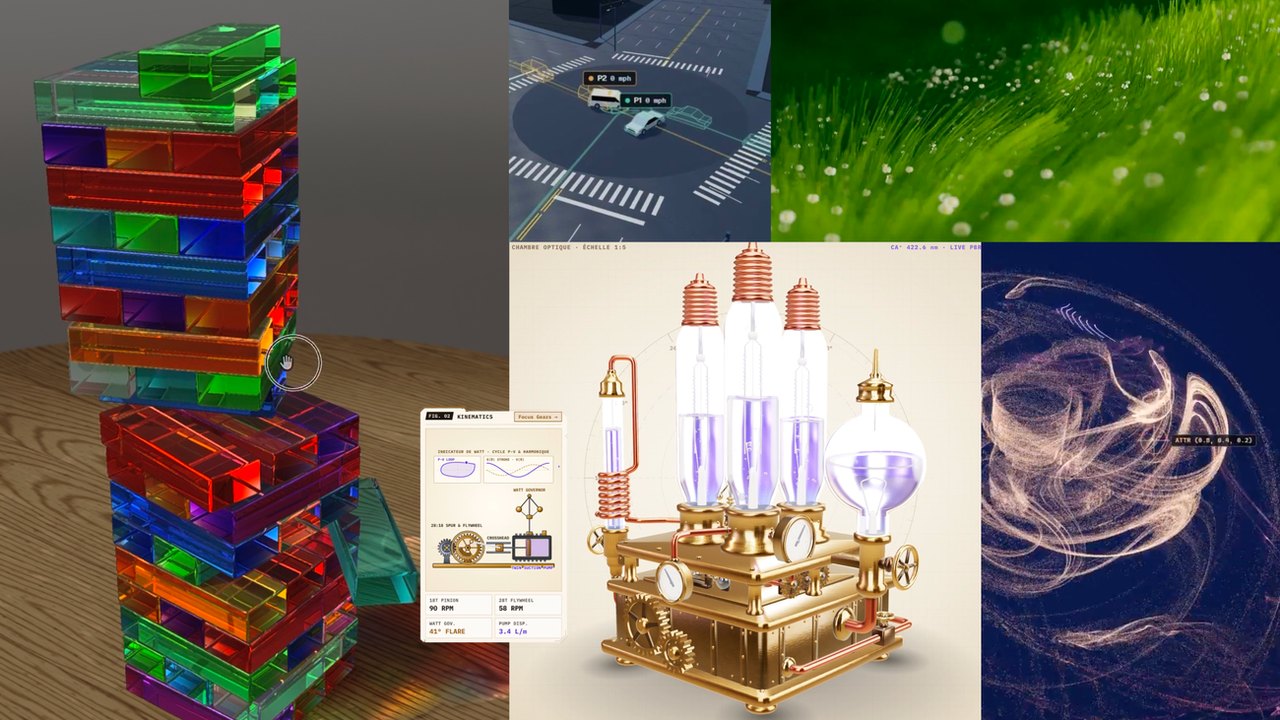 Google Highlights Five Developer Projects Built Using Gemini 4 Carbon
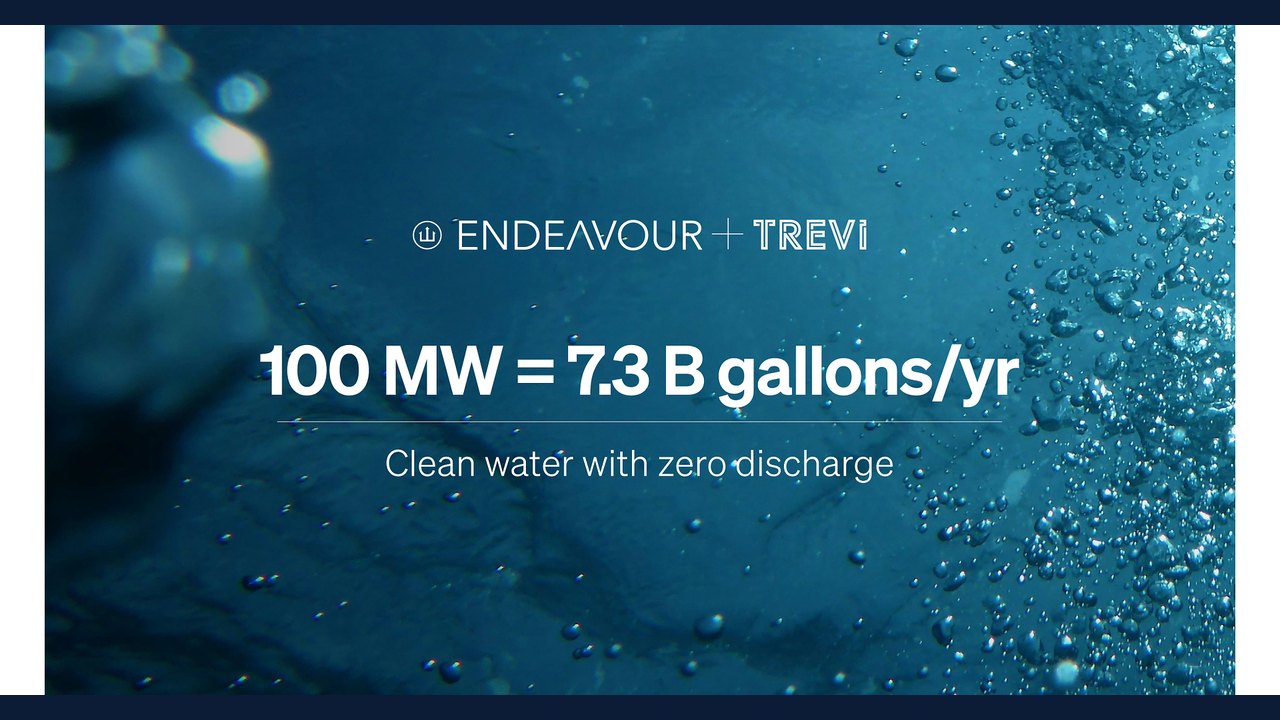 Endeavour‑Trevi partnership aims to turn data‑center waste heat into up to 200,000 gallons of clean water per megawatt
 Why Using AI to 'Vibe Code' Your TV Operating System Is a Risky Mistake
 Astronomers Detect Pulsing Radio Signals Every 8 Minutes from Rare Star System