Artificial Intelligence
Endeavour‑Trevi partnership aims to turn data‑center waste heat into up to 200,000 gallons of clean water per megawatt
· GlobeWire Daily Editorial Desk · Source: www.prnewswire.com
Key takeawaysEndeavour and Trevi Systems announced a strategic partnership to scale a heat‑driven desalination process that can produce up to 200,000 gallons (≈750,000 L) of fresh water per day for every megawatt of AI‑computing capacity. The first installations will be at Endeavour’s own U.S. data centres, with plans to roll the technology out to hyperscalers worldwide.
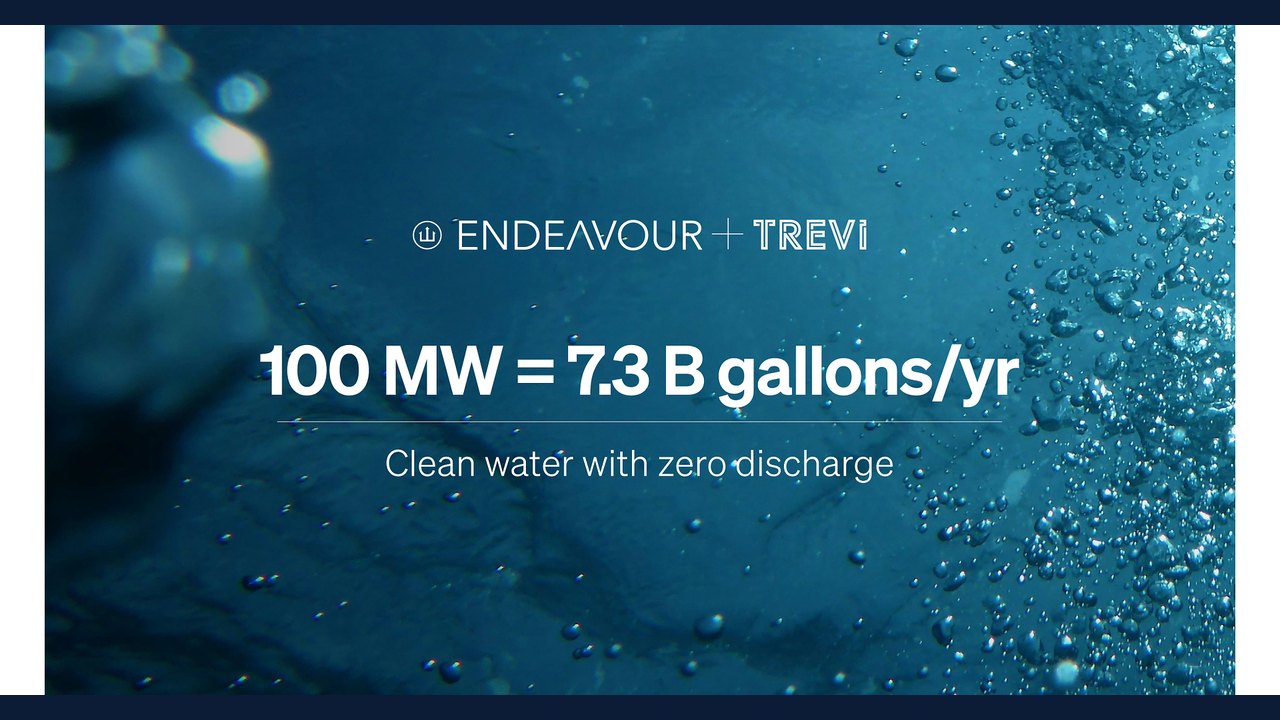
Image: Endeavour Energy, LLC · Photo source · Resized and letterboxed to 16:9; no AI generation
Summary
Endeavour and Trevi Systems announced a strategic partnership to scale a heat‑driven desalination process that can produce up to 200,000 gallons (≈750,000 L) of fresh water per day for every megawatt of AI‑computing capacity. The first installations will be at Endeavour’s own U.S. data centres, with plans to roll the technology out to hyperscalers worldwide.
How the technology works
- Heat source – Waste heat from Endeavour’s ThermalWorks water‑less cooling platform is captured instead of being discarded.
- Forward osmosis – Trevi’s membrane system pulls water through a draw solution without the high pressure required for reverse osmosis.
- Heat regeneration – The draw solution is regenerated using 60‑80 °C waste heat, concentrating the brine to solid salts.
- Output – Up to 31 L of clean water per kWh of computing, equivalent to a 100‑MW campus becoming a 20‑million‑gallon‑per‑day water plant.
Reported benefits
- Zero‑liquid‑discharge – Brine is turned into solid salts, eliminating the salty effluent that harms marine ecosystems.
- Energy savings – Heat‑driven crystallizers cut purchased electricity by roughly 85 % compared with conventional brine concentrators.
- Scalability – Trevi holds 65+ patents and has pilot projects in Hawaii, California, and soon Oman; Endeavour can leverage gigawatt‑scale manufacturing and a global supply chain.
Current status and next steps
- Pilot phase – The technology will first be installed in Endeavour’s own data centres in the United States.
- Future rollout – After validation, the companies intend to offer the system to hyperscale operators and water‑stressed regions worldwide.
- Verification – Interested parties can review the announced pilots on Trevi’s website (trevisystems.com) and the press release on PR Newswire; both companies have filed patents that are publicly searchable.
Practical implications
- Data‑center operators could offset water‑use permits and reduce cooling‑water costs.
- Water‑scarce municipalities may gain a new source of potable water without expanding traditional desalination capacity.
- Environmental impact – By removing brine discharge, the solution could lessen damage to coral reefs and seabed habitats.
Limitations and unknowns
- The partnership has not disclosed a timeline for commercial deployment beyond the initial U.S. pilots.
- Real‑world performance at gigawatt scale remains to be demonstrated; current figures are based on pilot data and engineering models.
- Economic viability will depend on local waste‑heat availability and regulatory frameworks for water reuse.
--- *Source: PR Newswire, Oct 22 2026*
Share this article
Read the original source: Every Megawatt of AI Capacity Can Make Up To 200,000 Gallons of Clean Water per Day - PR Newswire
AI-assisted reporting; source claims are attributed and have not been independently verified.
More to read
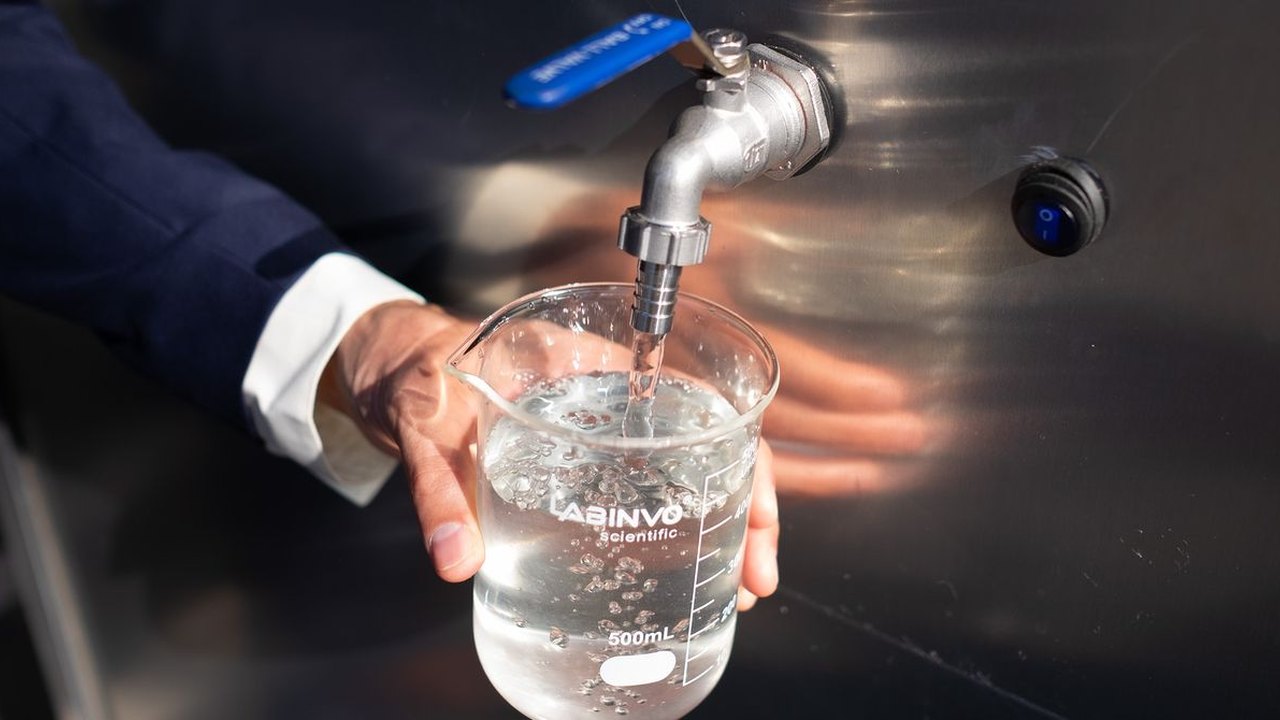 Startup Atoco Uses Data‑Center Waste Heat to Pull Water from Air with MOF Technology
 AI Data Center Race Turns Into Power Race
 Boom’s Supersonic Ambitions Stall as Company Shifts Focus to AI Data‑Center Turbines
 Nvidia Weighs Acting as Debt Cosigner for Nscale’s Planned West Virginia AI Data Center
Trending on GlobeWire Daily
Selected from recent coverage and related topics; not live search rankings.
 Madhya Pradesh Government Plans Revenue Generation from 117-Year-Old Edward Villa in Mumbai Through Leasing
 iPhone 18 Pro Named TechRadar Product of the Year 2026
 Google Project Suncatcher Runs Gemma 4 AI on Orbiting Satellite and Receives First Response
 Gender Disparities in Eye Care Access Across India Examined
 Satellite Images Show Cyclone Arnab Weakening Over India As New System Brews
 Expanding Green and Blue Spaces Crucial for India's Economic and Public Health, Reports Indicate